Vietnam Proposes Extending Seasonal Work Program in South Korea Through 2031
Vietnam’s Ministry of Home Affairs plans to propose extending the seasonal work program in South Korea through the end of 2031. The program has sent more than 18,700 workers to South Korea. The ministry says monthly earnings, including overtime, can reach VND 45 million to VND 60 million.

Vietnam’s Ministry of Home Affairs is drafting a new resolution to submit to the government to continue a program that sends workers to South Korea for seasonal work through cooperation between local authorities. The proposed period runs from January 1, 2027, to December 31, 2031. The five-year pilot under the current Resolution No. 59 will end on December 31, 2026. Without a subsequent legal document, local authorities would have to stop signing and implementing cooperation agreements and sending workers under the program.
A ministry report shows that the program has sent more than 18,700 workers to South Korea to date, including 9,218 in the first 10 months of 2026, accounting for 49.1% of the total since the program began. The ministry says workers’ monthly earnings, including overtime, can reach VND 45 million to VND 60 million. After food, accommodation, personal living expenses and insurance are deducted, they can save VND 30 million to VND 45 million a month. Over a three- to eight-month contract, each worker can save a total of VND 100 million to VND 320 million.
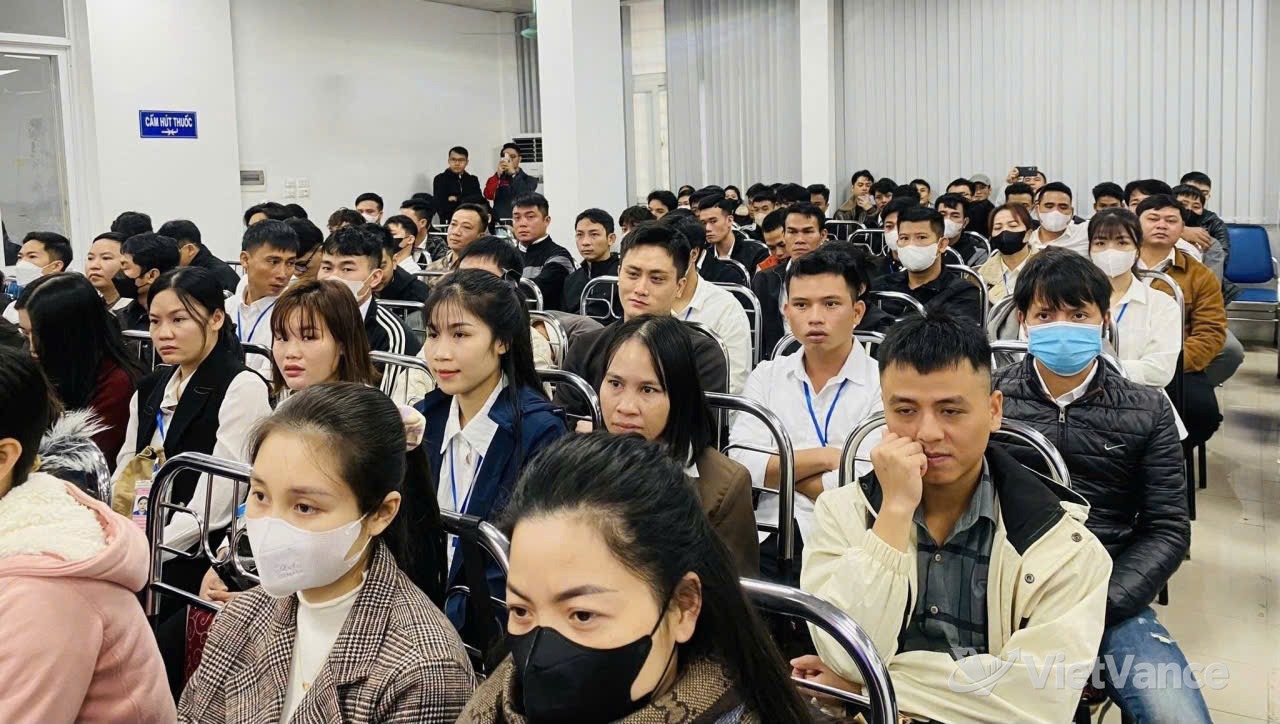
Workers attend pre-departure orientation before leaving for work in South Korea.(VietVance)
The ministry says the program has provided local workers with jobs and opportunities to learn agricultural production techniques. South Korea faces a shortage of seasonal workers because of population aging and a low birth rate. In 2026, it raised its quota for foreign seasonal workers to 117,113, up 22% from the quota allocated in 2025. Local authorities in 16 Vietnamese provinces and cities have negotiated and signed related cooperation agreements with their South Korean counterparts.
The proposed resolution would clarify provincial governments’ responsibilities for negotiating agreements, selecting and training workers, and managing their return home. It would require provincial agencies or public employment service centers to run the program directly. The draft would prohibit assigning the program to service companies, intermediary organizations or individuals, ban brokerage and service fees, and require disclosure of actual costs and support from local budgets. The ministry says the current rules do not fully specify which nonprofit entities may run the program, and intermediaries have used the program’s name to charge workers illegally.
Source: VietVance