Vietnam’s New Land Law Imposes Additional Charges on Unused and Delayed Project Land
Vietnam’s National Assembly passed the 2026 Land Law on November 21, changing land pricing and the treatment of unused land. Investment projects that leave land unused or bring it into use late will face additional land use levies or rent on the affected area. From July 2027, qualifying unused land will also be subject to a 0.2% tax rate.

Vietnam’s 16th National Assembly passed Land Law No. 47/2026/QH16 on November 21, 2026, replacing Land Law No. 31/2024/QH15. The Ministry of Agriculture and Environment said the new law makes changes in eight areas, including land use planning, compensation for land acquisition, land registration, land pricing and the treatment of unused land.
The new law changes how unused land and delays in bringing land into use are handled in investment projects: additional land use levies or land rent will be charged on the affected area. Delays will be assessed against the completion deadline stated in the investment policy approval, investment registration certificate or corresponding amended document, except in cases of force majeure or objective obstacles. The additional charges will cease when project construction is completed or the project’s operations are terminated in accordance with the law.
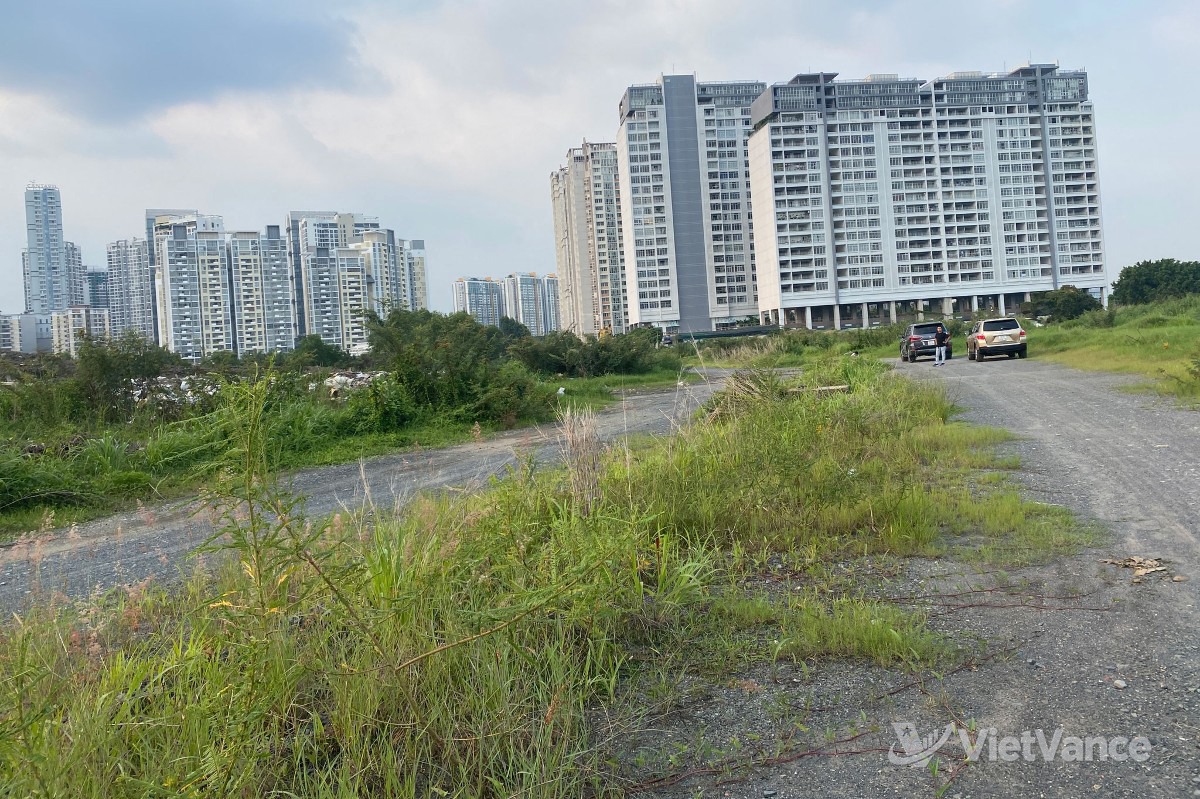
The new Land Law imposes additional land use levies or rent on land that investment projects leave unused or bring into use late.(VietVance)
For land pricing, provincial finance agencies will lead the drafting of land price tables and proposed revisions to price adjustment coefficients. Provincial People’s Committees will review the proposals and submit them to the People’s Councils at the same level for a decision. The tables and coefficients will be used to calculate government revenue from land, set starting prices for land use rights auctions and calculate compensation for state land acquisition. Provincial People’s Councils will, in principle, decide on the tables and coefficients every three years, with adjustments possible in the interim to reflect changes in infrastructure, planning or administrative boundaries.
Alongside the additional land charges, unused land subject to the non-agricultural land use tax will face a 0.2% tax rate from July 1, 2027. These measures aim to curb the hoarding of land and encourage land users and investors to develop and use land on schedule.
Source: VietVance