Vietnam Issues New Rules for Classifying Logistics Centers
Vietnam’s Ministry of Industry and Trade issued new standards for classifying logistics centers on November 19, 2026. The rules establish three tiers based on service scope and handling capacity and five types based on factors including transport mode and cargo category. They take effect on January 8, 2027.

Vietnam’s Ministry of Industry and Trade issued Circular No. 71/2026/TT-BCT on November 19, 2026, setting standards for classifying and grading logistics centers. It takes effect on January 8, 2027. Grading criteria include function, size, service area, cargo handling capacity, transport connectivity, service quality, technology use and green transition.
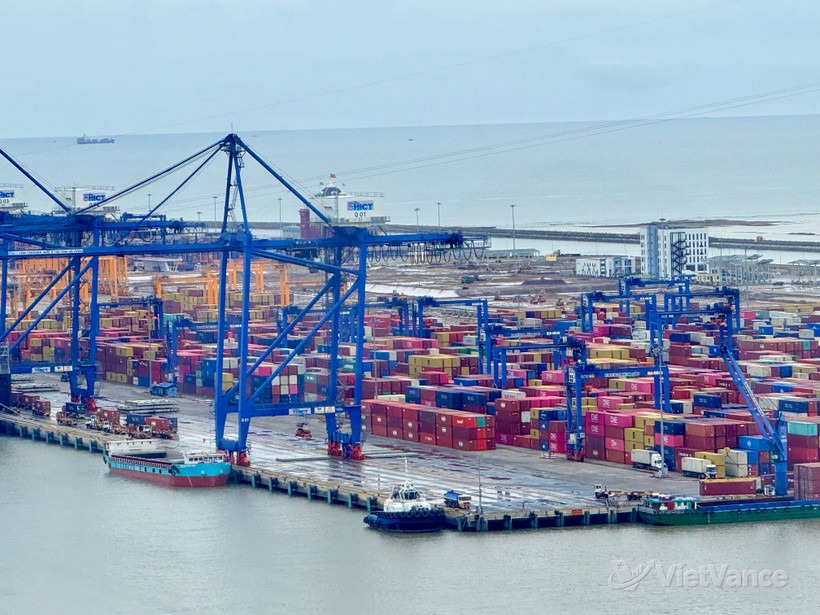
Logistics centers are classified and graded based on criteria including function, size, service area and transport connectivity.(VietVance)
Logistics centers are divided into Tier I, serving at the international or national level; Tier II, serving at the regional level; and Tier III, serving at the provincial level. A Tier I center must cover at least 20 hectares and have annual handling capacity of at least 3 million tonnes, 200,000 TEUs or 35 million orders. It must connect directly to at least two modes of transport and to an expressway or major national highway. It must also provide at least 50% of the logistics services listed in Government Decree No. 163/2017/NĐ-CP.
A Tier II center must be located in a regional economic hub, cover 10 to less than 20 hectares, and have annual handling capacity of 1 million to less than 3 million tonnes, 70,000 to less than 200,000 TEUs, or 10 million to less than 35 million orders. It must provide at least 30% of the logistics services listed in the decree. A Tier III center must cover 3 to less than 10 hectares and have annual handling capacity below 1 million tonnes, 70,000 TEUs or 10 million orders. It mainly serves the movement of goods within a province or city.
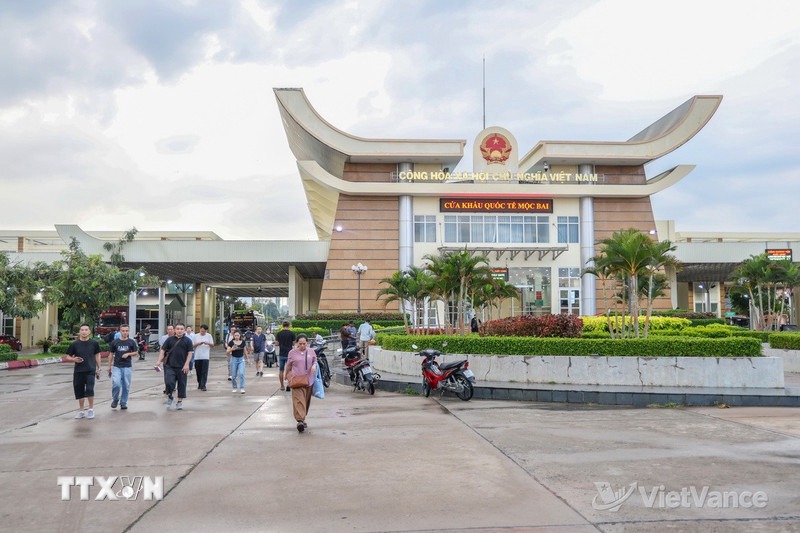
The circular also divides logistics centers into five types based on transport mode, cargo category, location and function. These include seaport and air logistics centers; centers organized by cargo category; centers in areas such as export processing zones; border and border-gate centers; and e-commerce logistics centers. To qualify for classification, a center must occupy at least 3 hectares, provide at least three logistics services, and have suitable transport connections, electronic data management and environmental protection facilities.
Organizations that manage and operate logistics centers must assess their centers against the standards, publish their tier and type, and bear legal responsibility for the accuracy of the information. Provincial governments are responsible for monitoring and verifying the published information and, when they find errors or omissions, requiring corrections or updates or recommending action under the law.
Source: VietVance