Vietnam’s deputy prime minister calls for lower transport fares as fuel costs fall
Deputy Prime Minister Nguyễn Văn Thắng has directed Vietnam’s Ministry of Construction to check transport fare declarations and published prices, and to require appropriate fare reductions when fuel costs fall. Authorities will also monitor how gasoline tax and electricity price cuts affect prices and address pressure on prices toward year-end.

At a price management meeting on November 9, Vietnamese Deputy Prime Minister Nguyễn Văn Thắng instructed the Ministry of Construction to step up checks on transport companies’ fare declarations and published prices, and to require them to reduce fares accordingly when fuel costs fall. Local authorities must also check compliance with pricing regulations, focusing on essential goods and transport, dining and accommodation services.
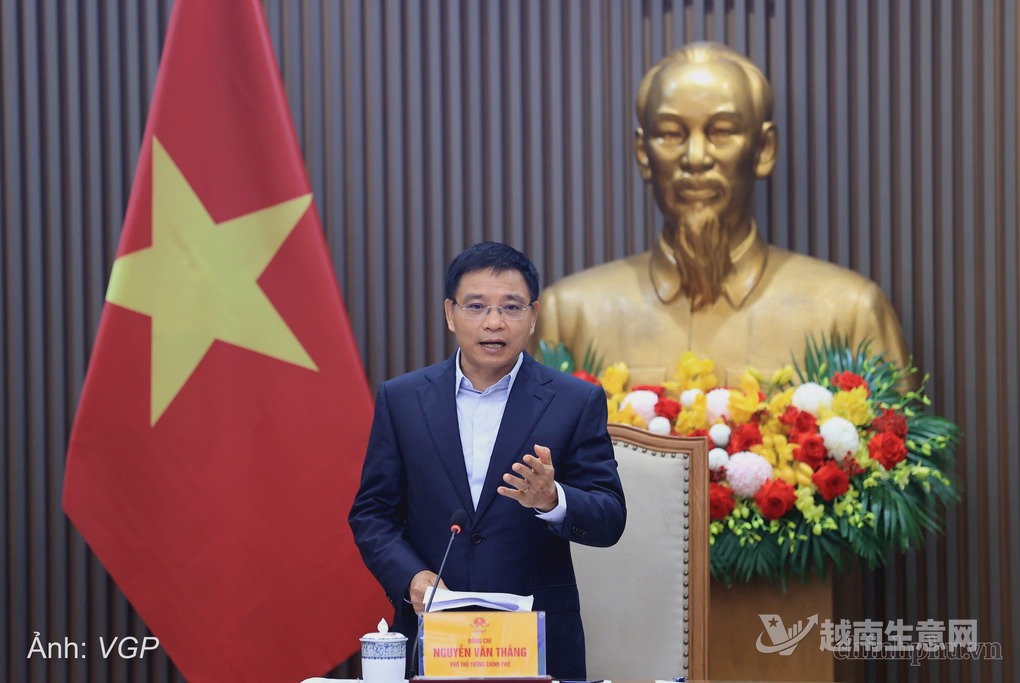
Vietnamese Deputy Prime Minister Nguyễn Văn Thắng speaks at a price management meeting on November 9.(VietVance)
Nguyễn Văn Thắng instructed ministries and local authorities to track changes in input costs and the prices of goods and services, including how prices respond to the reduction of the special consumption tax on gasoline to 0% and a 2% cut in the average retail electricity price. The policies will remain in effect through March 31, 2027. The Ministry of Industry and Trade must ensure the tax cut is appropriately reflected in fuel prices, while monitoring supply and demand, managing prices and securing supplies.
Vietnam’s Ministry of Finance said rising domestic fuel prices, following increases in global fuel prices, were the main reason the consumer price index rose 0.2% in October from the previous month. In the first 10 months, the index rose an average of 4.57% year on year, while core inflation rose 4.24%; 20 localities recorded consumer price index increases below 4.5%. The Ministry of Finance and the State Bank of Vietnam both expect the index to rise by an average of 4.5% to 4.7% for the full year.
In the final two months of the year, consumer demand, fluctuations in energy and food prices, and demand for construction materials for public investment projects will continue to put pressure on prices. Nguyễn Văn Thắng called for prices of state-managed goods and services to remain stable through the end of 2026. The Ministry of Industry and Trade and local authorities must stock essential goods for the year-end and 2027 Lunar New Year shopping peaks and crack down on hoarding and unjustified price increases. Ministries must also assess the effectiveness of current tax and fee exemptions, reductions and payment extensions, and, if necessary, propose extending or adjusting support measures for 2027.
Source: VietVance