Vietnam’s shrimp exports to South Korea rise just 0.8% in nine months as market share falls
Vietnam’s shrimp exports to South Korea reached $262.5 million in the first nine months of 2026, up 0.8%. Vietnam remained South Korea’s largest shrimp supplier, but its share of South Korean shrimp imports fell from 44.2% to 43.1%, according to South Korean customs data, while China and Peru gained share.

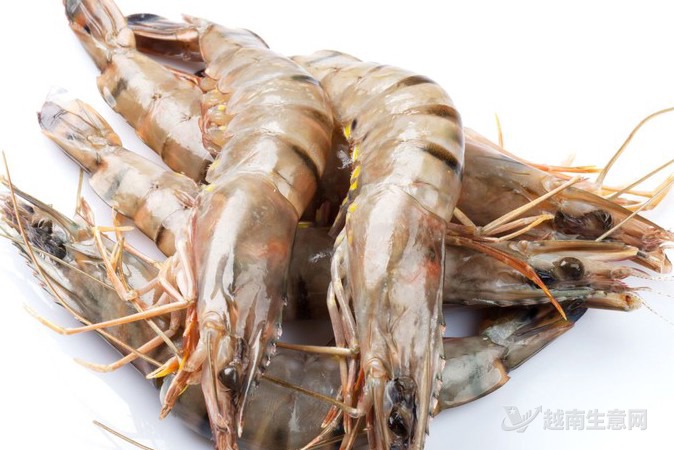
Citing Vietnamese customs data, the Vietnam Association of Seafood Exporters and Producers said Vietnam’s shrimp exports to South Korea reached $262.5 million in the first nine months of 2026, up 0.8% year on year and accounting for about 7% of Vietnam’s total shrimp exports. Third-quarter exports reached $93.6 million, up 0.5% year on year. After falling 14.6% in July, exports rose 11.6% in August and 6.2% in September.
South Korean customs data show that the country imported 82,169 tonnes of shrimp worth $587.1 million during the same period, up 2% in volume and 2.3% in value year on year. Under South Korea’s import statistics, shrimp imports from Vietnam were worth $253.3 million, down 0.3% year on year. Vietnam remained South Korea’s largest shrimp supplier, but its market share fell from 44.2% a year earlier to 43.1%.
Competitors gained market share over the same period. The value of South Korea’s shrimp imports from China rose 17.3% to $145.4 million, lifting China’s share from 21.6% to 24.8%. Imports from Peru rose 26.1% to $54.8 million, raising its share from 7.6% to 9.3%. Imports from India also increased 13.2%, while those from Thailand and Ecuador fell 5.8% and 18.1%, respectively.
Whiteleg shrimp dominated Vietnam’s exports to South Korea, with a value of $217.6 million, or 82.9% of its shrimp exports to the market. Within that category, processed whiteleg shrimp exports rose 8.1% to $81.1 million, while fresh, live and frozen products fell 3.3%. Other processed shrimp products rose 16.1% to $25.9 million. The Vietnam Association of Seafood Exporters and Producers said slow growth in import demand, intensifying competition and the tariff quota mechanism under the Vietnam–South Korea Free Trade Agreement continued to put pressure on businesses.
Source: VietVance