Vietnam Plans to Expand Choice of Tax Calculation Methods
Vietnam’s Ministry of Finance plans to let business households and individual business operators with annual revenue below VND 10 billion choose how their tax is calculated. It expects the change to give more than 90% of operating small and medium-sized enterprises a choice of methods. The finance minister also outlined tax support, revenue sharing and administrative reforms.

Vietnam’s Ministry of Finance plans to raise the annual revenue ceiling for business households and individual business operators to choose a tax calculation method to below VND 10 billion, allowing them to choose either the deduction method or a revenue-based method. The ministry expects the adjustment to give more than 90% of operating small and medium-sized enterprises a choice of tax calculation methods. The arrangement remains a policy proposal.
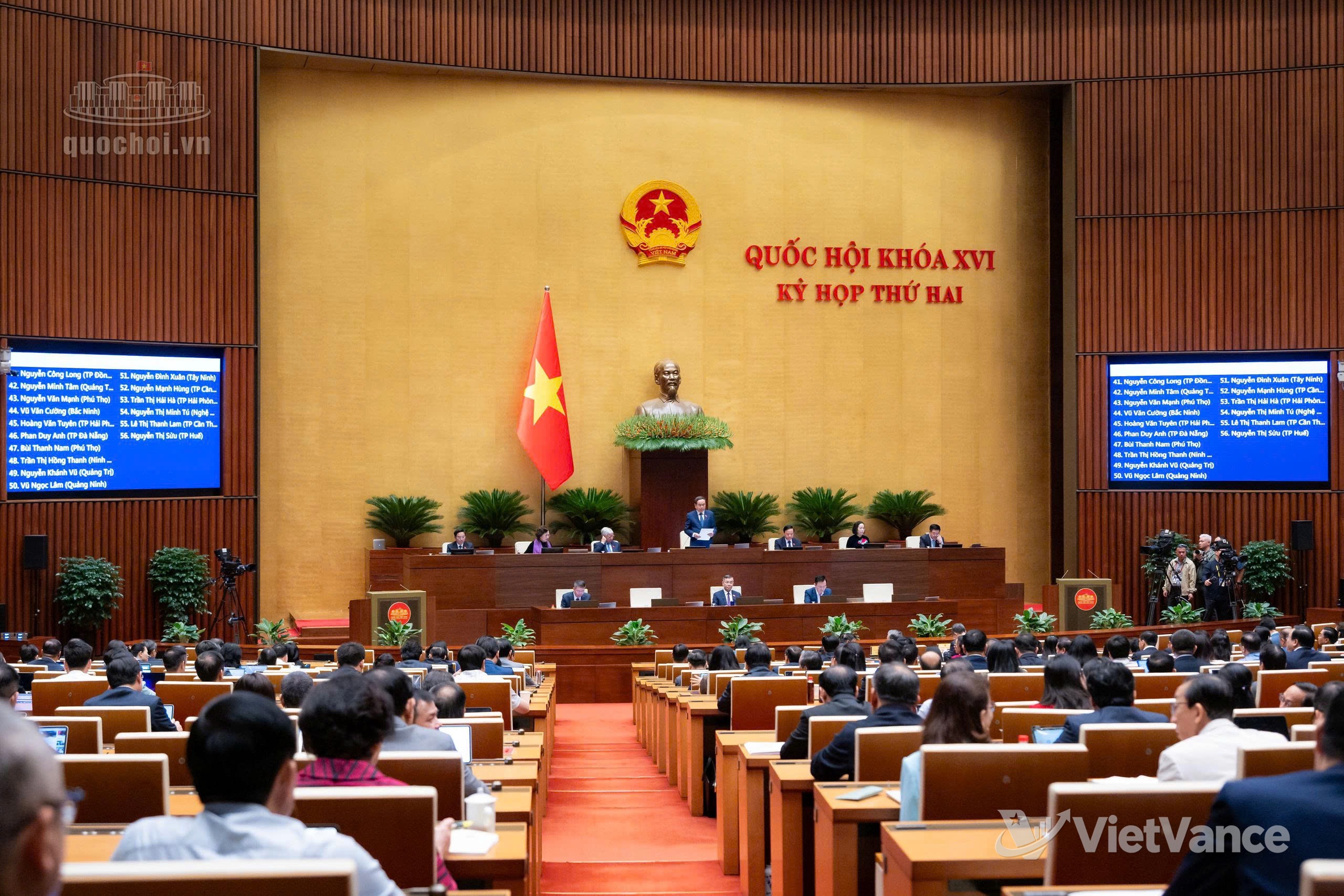
Vietnam’s Ministry of Finance expects the expanded choice of tax calculation methods to cover more than 90% of operating small and medium-sized enterprises.(VietVance)
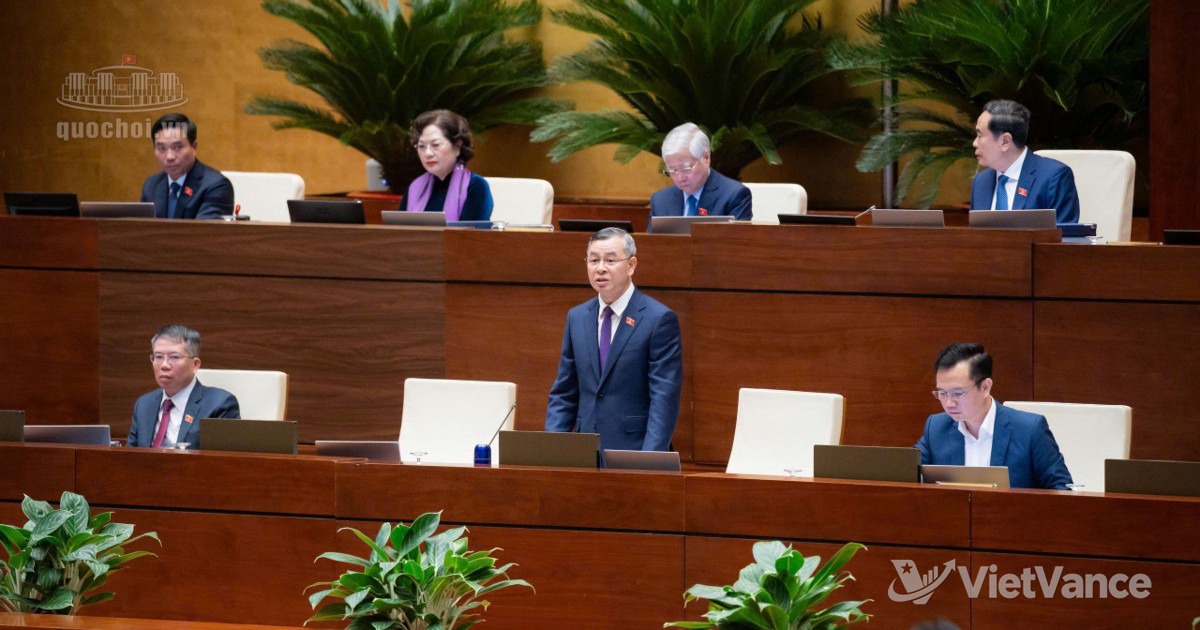
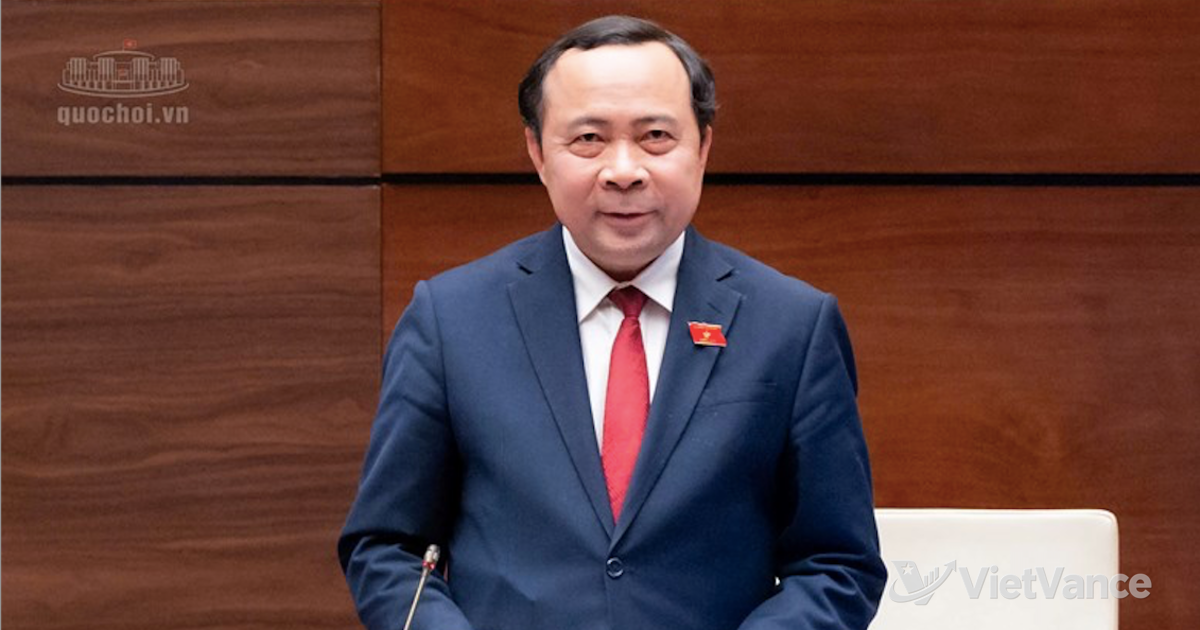
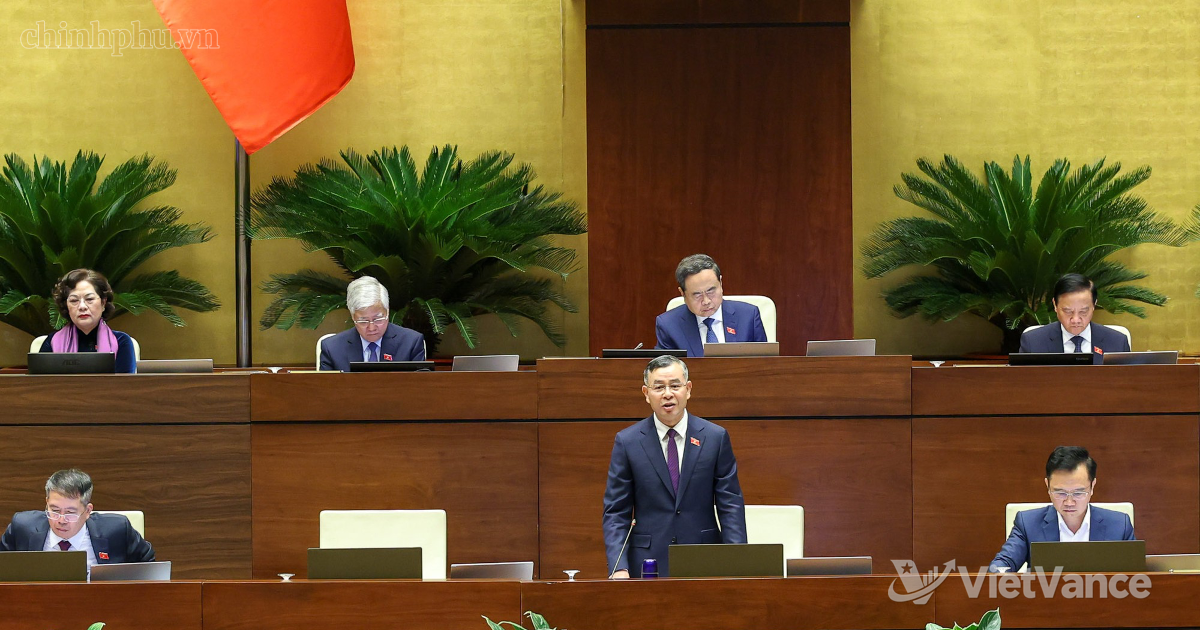
Finance Minister Ngô Văn Tuấn told a National Assembly questioning session that the government is supporting businesses through tax exemptions, reductions and payment extensions, as well as simpler procedures. Tax exemption, reduction and deferral policies in 2026 are expected to total about VND 360 trillion. Existing support for small and medium-sized enterprises includes a three-year tax exemption for businesses converted from business households, an increase in the tax-exempt revenue threshold to VND 1 billion, and a 30% reduction in tax obligations under current policy for some businesses with revenue below VND 10 billion.
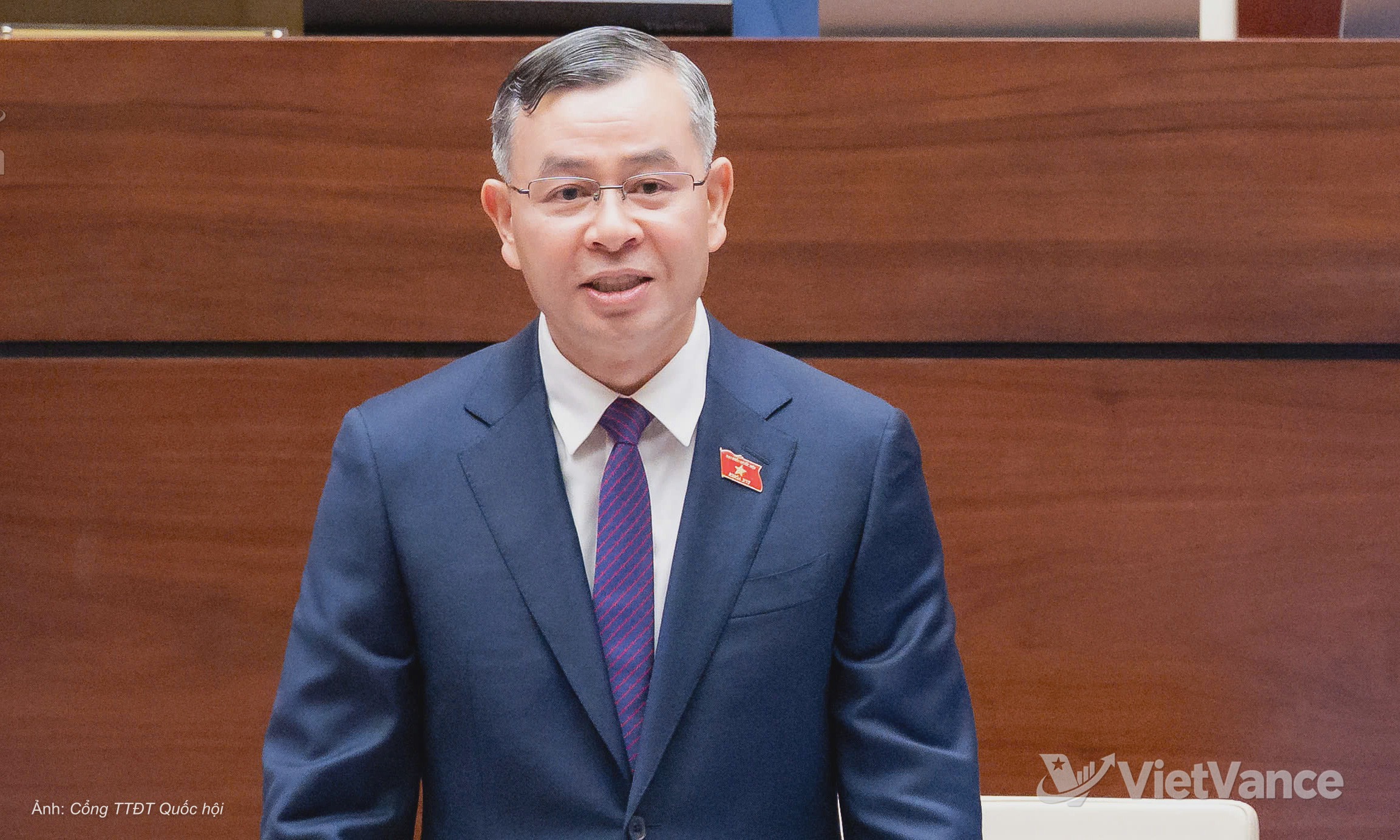
Vietnamese Finance Minister Ngô Văn Tuấn outlined tax support policies for businesses during a National Assembly questioning session.(VietVance)
Hanoi representative Nguyễn Ngọc Việt said the effectiveness of local investment attraction should be measured more by the added value and actual government revenue generated by production and business activities, rather than registered capital and project numbers alone. He proposed studying a revenue-sharing mechanism that would encourage local authorities to support businesses’ long-term development. Ngô Văn Tuấn replied that the State Budget Law already sets out the division of revenue and spending responsibilities between central and local governments; local governments receive all revenue from more than 20 categories.
Addressing businesses’ practical experience with administrative procedures, National Assembly representative Trịnh Xuân An called for priority to be given to resolving remaining bottlenecks. Ngô Văn Tuấn said reforms had cut the time needed to complete administrative procedures by about 53% and costs by 55%. The Ministry of Finance will continue simplifying market entry, tax declaration, payment and settlement procedures while safeguarding cybersecurity and data security.
Source: VietVance