Global Capital Inflows Remain to Be Seen After Vietnam’s Stock Market Upgrade
At the HDBank Global Capital Flows Conference on November 25, international securities market expert Thomas Nguyễn said Vietnam’s FTSE market upgrade has made it easier for international investors to access its stock market, but attracting sustained global attention will take time. He expects index fund inflows, market infrastructure reforms and interest rate changes to influence the market in 2027.

At the HDBank Global Capital Flows Conference on November 25, international securities market expert Thomas Nguyễn said Vietnam’s FTSE market upgrade was an important step in the development of its capital market, but its positive effects had yet to be fully realized. After recently meeting several investment institutions in the United States, he observed that Vietnam was still not a top priority for most of the investors he met. The upgrade makes it easier for international investors to enter the Vietnamese market, but attracting further capital also depends on whether the market can sustain their attention.

International securities market expert Thomas Nguyễn speaks at the conference.(VietVance)
Thomas Nguyễn estimated that purchases by Vanguard following Vietnam’s inclusion in FTSE indices could reach US$2.5 billion to US$3 billion. He said the initial allocation in September 2026 was 10%, representing about US$230 million from Vanguard. According to him, experts expect that figure to approach US$500 million in March 2027, with each subsequent tranche in June and September potentially reaching US$1 billion. These figures are estimates and projections cited in his remarks.
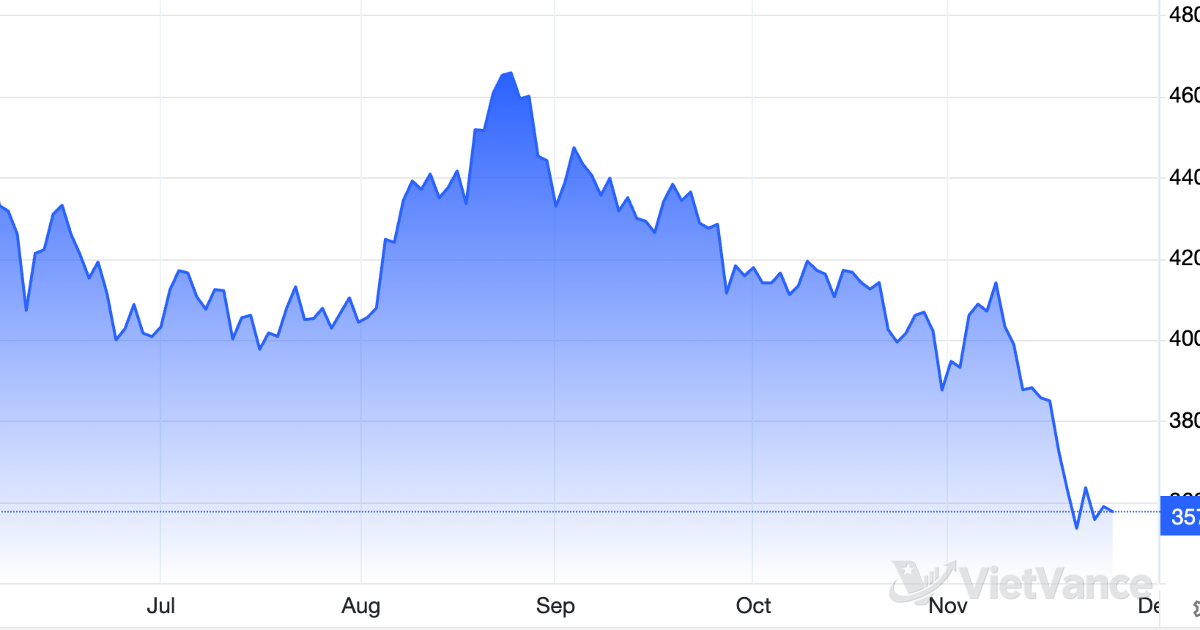
Discussing market performance, Thomas Nguyễn said Vietnam’s stock market rose more than 40% in 2025, while the VN-Index had fallen about 5% by the time of his remarks and was trading at roughly 11.5 times projected 2026 earnings. He is optimistic about 2027 but believes an official MSCI upgrade for Vietnam remains several years away; inclusion on MSCI’s upgrade watchlist in 2027 is possible. A central counterparty clearing system expected to be completed by the end of the first quarter of 2027 is one market reform he is watching.
Thomas Nguyễn also expects Vietnam’s deposit interest rates to begin easing gradually by the end of the first quarter of 2027, when maturing deposits may seek other investment channels. He believes rising index fund inflows, continued market reforms and the potential return of individual investors will together influence the stock market in 2027.
Source: VietVance