Dragon Capital: Vietnam’s Stock Market Has Yet to Fully Price In the Prospect of Lower Interest Rates
Dragon Capital says Vietnam’s deposit and lending rates are beginning to fall, while foreign currency inflows and public investment support market liquidity. The VN-Index has yet to fully reflect the prospect of lower rates, even as earnings growth and falling share prices have brought valuations close to their 2022 low.

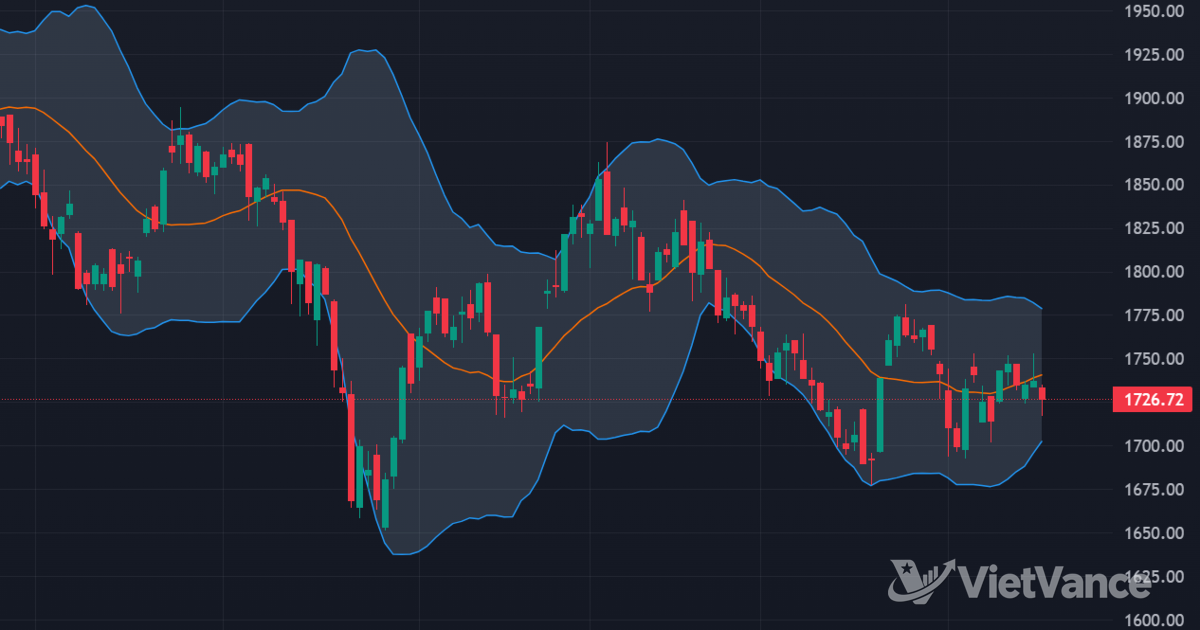
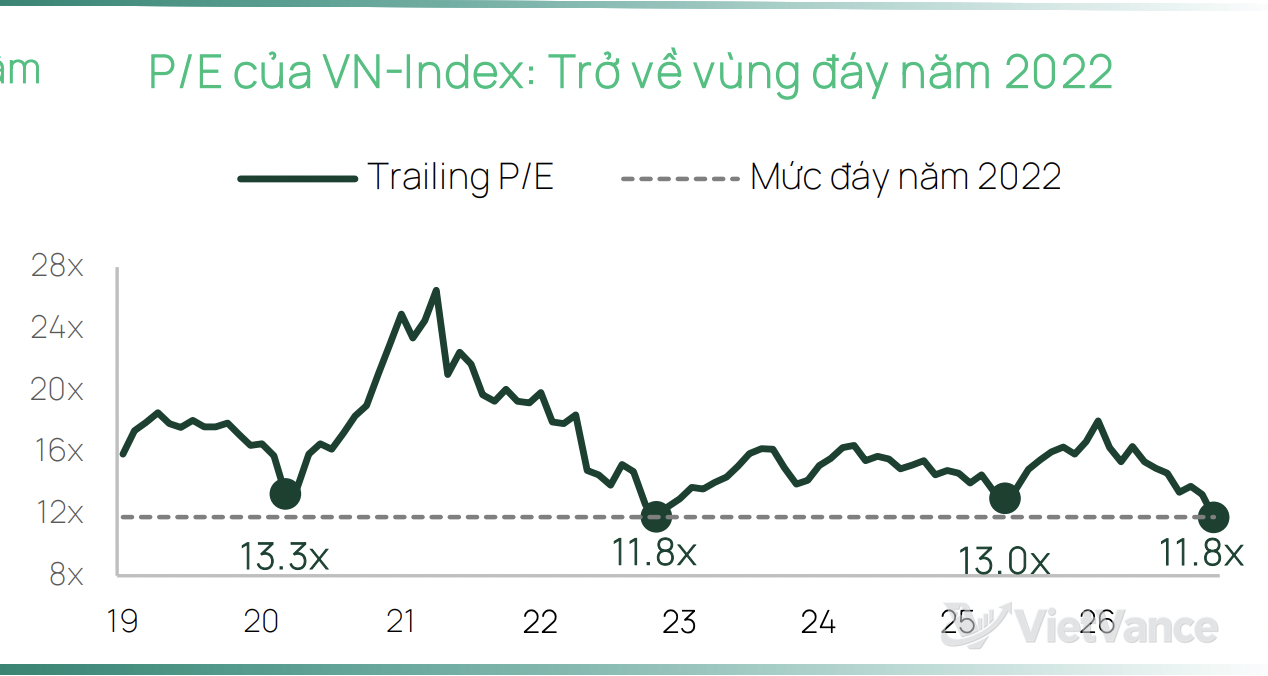
In its latest macroeconomic and stock market outlook, Dragon Capital said the prospect of Vietnamese interest rates falling from high levels has yet to be fully reflected in share prices. In October, the VN-Index fell 0.9% in US dollar terms, narrowing its year-to-date gain to 1.2%. Its price-to-earnings ratio, based on profits over the past 12 months, fell to 11.8 times, close to the November 2022 low of 11.0 times. The firm believes the expected return-to-risk ratio of Vietnam’s stock market is attractive as 2027 approaches.
Dragon Capital believes Vietnam’s stock market has yet to fully reflect the prospect of lower interest rates.(VietVance)
On October 19, the State Bank of Vietnam required banks to cut deposit rates by at least 0.5 percentage points and lending rates by 1.5 to 2 percentage points, with restrictions on credit growth quotas for banks that failed to comply. Rates on new deposits fell by about 0.4 percentage points in October, while lending rates declined by about 0.2 to 0.5 percentage points, mainly on short-term working capital loans.
Dragon Capital said further rate cuts require more Vietnamese dong liquidity in the banking system. Vietnam’s exports reached US$64.7 billion in October, up 51.4% year on year, producing a monthly trade surplus of US$7.3 billion. On November 3, the State Bank of Vietnam conducted a six-month foreign exchange swap worth US$2 billion, supplying about VND49 trillion to the banking system. The central bank also plans to buy US dollars on the spot market twice a week from November 11 at an exchange rate of VND25,500 per US dollar.
Fiscal spending is also supplying liquidity: by the end of October, disbursement of public investment funds had reached 74.1% of the annual plan. Dragon Capital noted that core consumer prices fell 0.05% month on month, their first decline since 2021. If oil prices remain at their current level, it expects consumer price inflation to fall below 4% in the first half of 2027.
In the stock market, the VN-Index rose 5.0% over the four trading sessions after the rate-cut directive was announced, then gave up almost all of those gains. Third-quarter profits of companies in the index rose 51.5% year on year, or 22.3% excluding Vingroup. Dragon Capital believes rising earnings and falling share prices have made current valuations more attractive.
Source: VietVance