Vietnam’s Tea Export Value Rises 4.3% in First 10 Months as Volume Falls
According to Vietnam’s Ministry of Agriculture and Environment, tea export value rose 4.3% year on year in the first 10 months of 2026, while export volume fell 4.6% and the average export price rose 9.3%. Exports to Pakistan declined sharply, while those to Russia and the United States grew. The industry faces challenges in diversifying markets, controlling quality and increasing the value added through processing.

According to Vietnam’s Ministry of Agriculture and Environment, Vietnam exported 105,300 tonnes of tea worth US$197.4 million in the first 10 months of 2026. Volume fell 4.6% year on year, while value rose 4.3%. The average export price increased 9.3% to US$1,874.3 per tonne. Higher average prices supported the rise in export value, even as volume continued to decline.
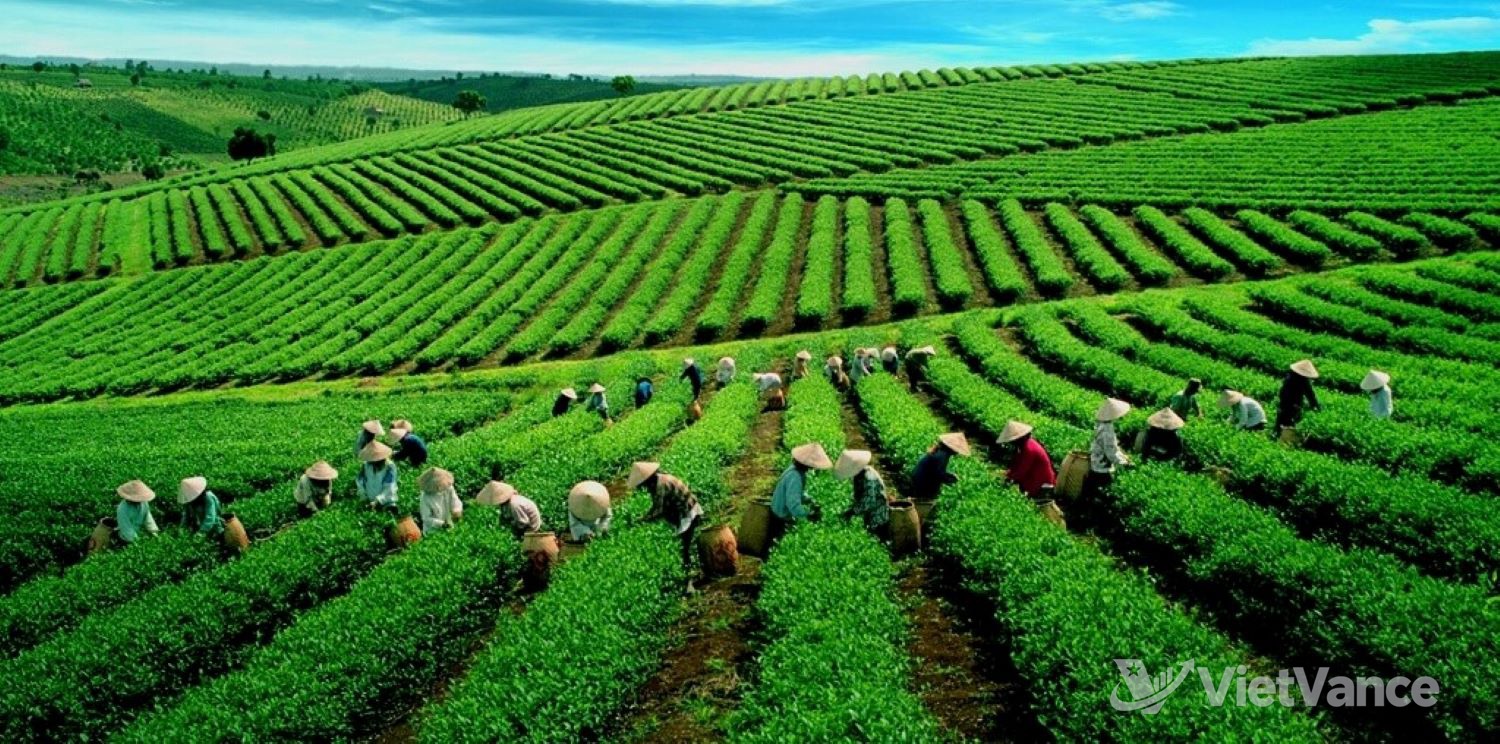
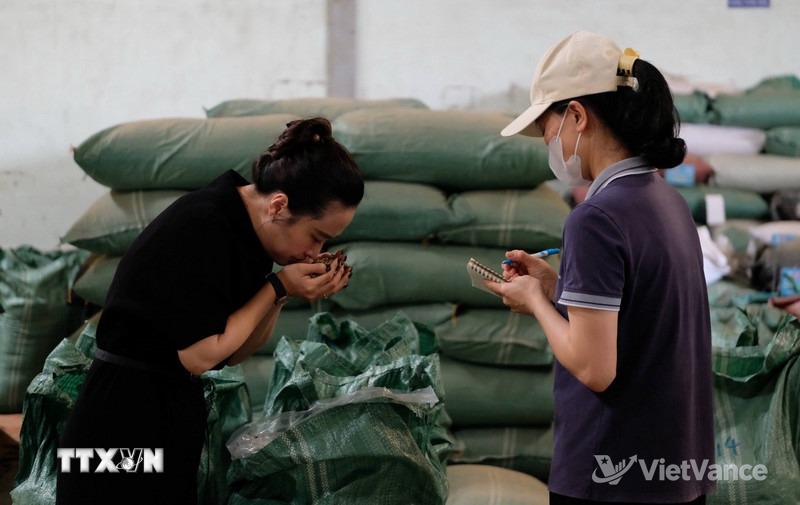
Vietnam’s tea industry faces the challenge of improving quality and increasing the share of deeply processed products.(VietVance)
Pakistan remained Vietnam’s largest tea export market, but shipments there fell to 23,600 tonnes worth US$47.1 million in the first 10 months, down 39.5% in volume and 37.2% in value year on year. Over the same period, export volume to Taiwan (China) fell 2.1%, while value rose 9.8%. Export volume and value to mainland China fell 18.2% and 3.2%, respectively.
The Russian and US markets performed better. In the first 10 months, Vietnam’s tea export volume to Russia rose 32.4%, while value increased 23.9%. Export volume to the United States rose 20.7%, while value climbed 43.4%. Diverging trends across major markets underscore the need to expand sales markets.
Vietnam’s tea production still faces challenges from scattered growing areas, small-scale growers and inconsistent cultivation practices. Limited cooperation among businesses, cooperatives and farmers also makes quality control more difficult. The industry needs stronger quality management and traceability across cultivation and processing, along with a higher share of deeply processed and packaged products to increase added value.
Source: VietVance