Vietnam calls for stable prices of state-managed goods and services through year-end
On November 9, Vietnamese Deputy Prime Minister Nguyễn Văn Thắng called for stable prices of state-managed goods and services through the end of 2026, close monitoring of year-end supply and demand, and action against hoarding. Vietnam’s average consumer price index rose 4.57% year on year in the first 10 months; the Ministry of Finance forecasts a full-year increase of 4.5%–4.7%.

On November 9, Vietnamese Deputy Prime Minister Nguyễn Văn Thắng chaired a meeting of the Price Management Steering Committee to assess price trends in October and the first 10 months of 2026. He called for stable prices of state-managed goods and services through the end of 2026 and careful decisions on the timing and scale of price adjustments, avoiding a concentration of increases at year-end and during Lunar New Year. The meeting connected by video with 34 provinces and cities nationwide.
Deputy Minister of Finance Lê Tấn Cận said prices in Vietnam rose steadily during the first five months of 2026, fell in June and July, and began rising again in August. The consumer price index rose 0.2% month on month in October, mainly because domestic gasoline prices increased in line with global fuel prices. It rose an average of 4.57% year on year in the first 10 months, while core inflation was 4.24%.
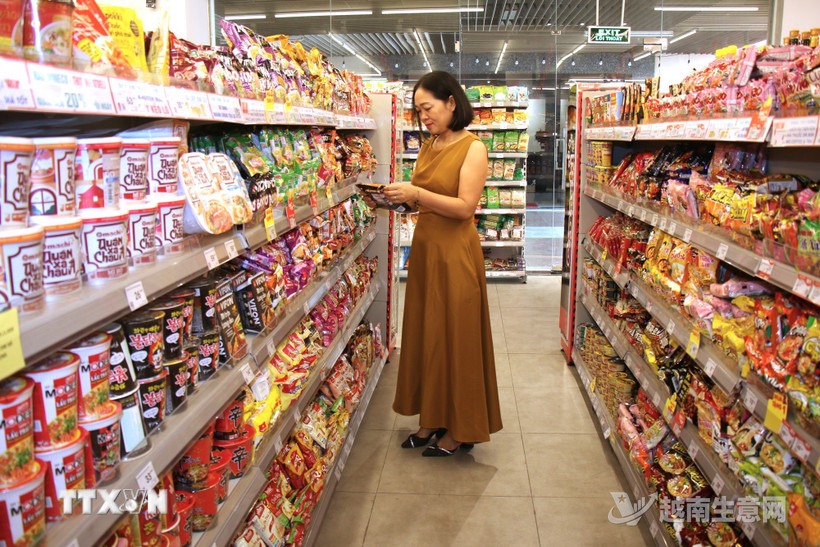
Ho Chi Minh City residents shop for goods at a supermarket.(VietVance)
To ease inflationary pressure, the Vietnamese government has taken measures to secure supplies of essential goods, stabilize markets, and reduce or waive taxes and fees. From November 1, 2026, the average retail electricity price was cut by 2%, and the special consumption tax rate on gasoline was reduced to 0%, effective through March 31, 2027. The Ministry of Finance said year-end consumer demand and prices for energy, raw materials, and food would continue to put pressure on prices. Both the ministry and the State Bank of Vietnam forecast that the average consumer price index would rise 4.5%–4.7% year on year in 2026.
Nguyễn Văn Thắng instructed ministries and local authorities to closely monitor supply, demand, and prices for fuel, food, fertilizer, animal feed, and construction materials; assess how price adjustments would affect the consumer price index and households’ ability to pay; and strengthen inspections of price declarations, posted prices, and compliance with pricing laws. He also called for prompt action against hoarding, price manipulation, and unjustified price increases that exploit market fluctuations, while assessing existing tax and fee support measures and proposing policies for 2027.
Source: VietVance