Vinachem Advances Emissions Cuts and Phosphogypsum Reuse
Vietnam National Chemical Group (Vinachem) is advancing CO₂ recovery, energy savings and phosphogypsum reuse. Its subsidiaries are processing a fertilizer byproduct for use in cement production, while the group aims to cut CO₂ emissions by at least 5% by 2030 compared with 2024.

Vietnam National Chemical Group (Vinachem) has made green transition a development priority, advancing exhaust gas recovery, energy savings and byproduct reuse in chemical and fertilizer production from 2020 to 2025. The group requires member companies subject to greenhouse gas inventories to submit emissions reports and draw up plans to cut CO₂ emissions by at least 5% by 2030 compared with 2024.
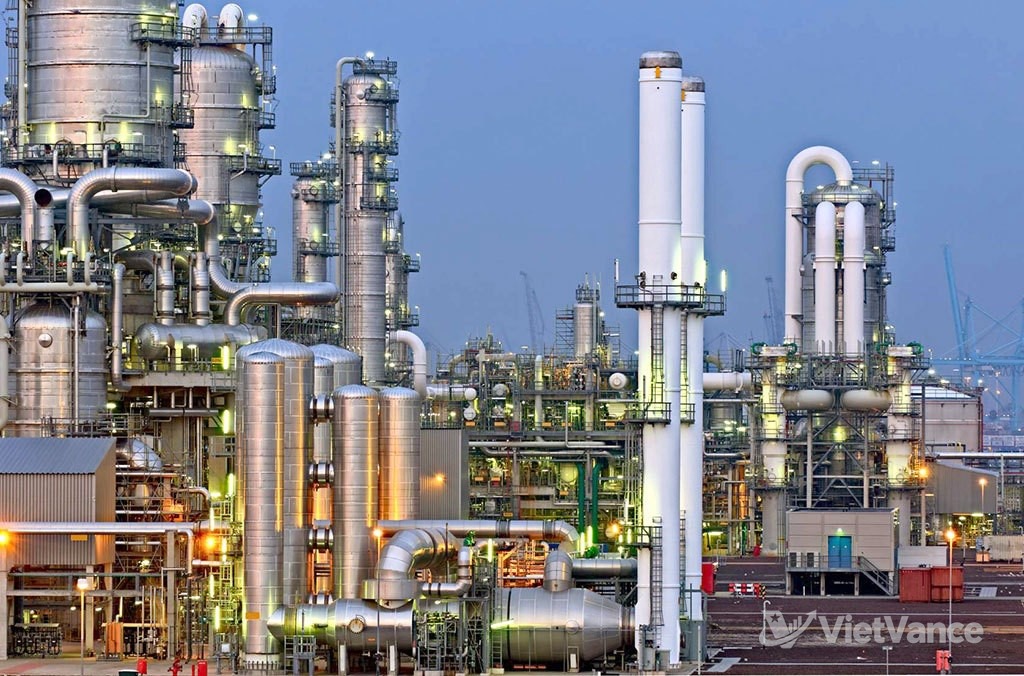
Illustration of the green transition in Vietnam’s chemical industry.(VietVance)
In Ninh Binh, the group’s Công ty TNHH MTV Đạm Ninh Bình recovers about half of the CO₂ generated during production and purifies it into liquid CO₂ for use in the food and medical sectors. The company commissioned a 3.8 MW rooftop solar power system in early 2024. The group has also set a target for production facilities to save at least 2% of their electricity use each year from 2023.
Phosphogypsum reuse is another priority. Since 2024, Hải Phòng-based Công ty Cổ phần DAP - Vinachem has operated a phosphogypsum treatment line that filters, washes, neutralizes and purifies a byproduct of fertilizer production. The treated material meets Vietnamese standard TCVN 11833:2017 for gypsum used as a cement additive.
The treated phosphogypsum is sent to Công ty Cổ phần Thạch cao Đình Vũ and Công ty Cổ phần Đầu tư Trường An Hải Phòng for further processing before being supplied to cement plants. The two companies currently have a combined annual processing capacity of more than 1.3 million tons. Vinachem also plans to establish circular economy models at major plants and aims to achieve carbon neutrality by 2050.
Source: VietVance