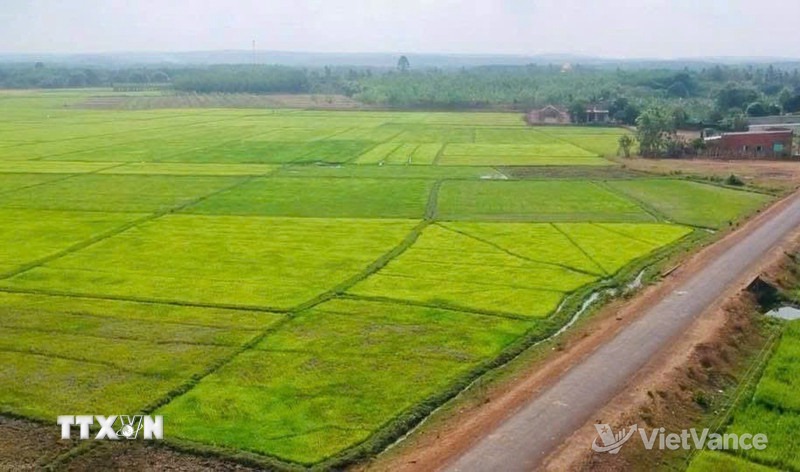
An Giang Steps Up African Swine Fever Control to Safeguard Lunar New Year Meat Supply
African swine fever affected 47 farming households in An Giang from August 25 to November 15, 2026, with 1,057 sick pigs culled. The province is tightening controls on farming, transport and slaughter while planning measures to stabilize food supplies for the 2027 Lunar New Year.

According to An Giang’s agriculture and environment authorities, from the first African swine fever outbreak on August 25, 2026, through November 15, the disease affected 47 farming households across 21 communes and wards in the province. A total of 1,057 sick pigs, weighing more than 58,600 kilograms, were culled. Three communes have recorded no new outbreaks for 21 consecutive days, but active surveillance at six slaughterhouses found two positive results among 20 samples, indicating that the virus still poses a risk of spreading.
Local authorities are stepping up disinfection and quarantine at farms, for transport vehicles and at slaughterhouses. They are requiring prompt disposal of sick, suspected infected and dead pigs, and are cracking down on the trade and transport of sick pigs and pork products of unknown origin. Relevant agencies will also increase patrols to counter the illegal transport of pigs and pork products into Vietnam from abroad.
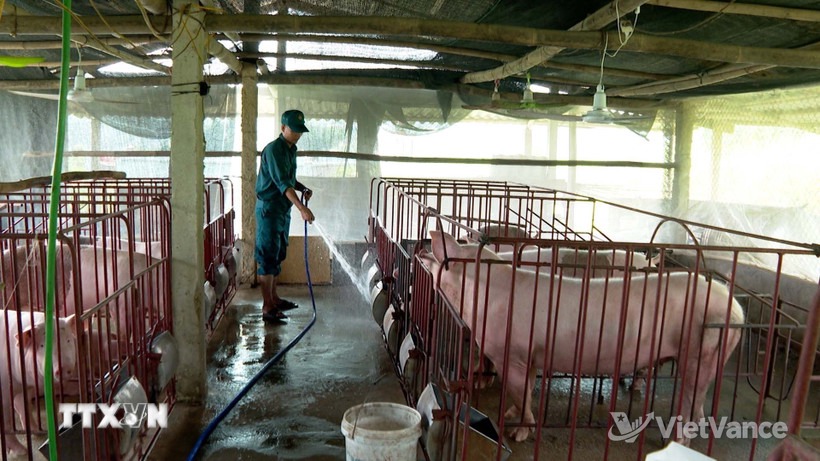
Cleaning livestock housing is one measure to prevent animal diseases. File photo.(VietVance)
Disease control pressures have affected farmers’ preparations for the Lunar New Year market. One An Giang farmer currently keeps three sows and 20 pigs for fattening, which she plans to sell for the 2027 holiday; in previous years, she typically raised 40 to 50 pigs for the occasion. She said her family had reduced its investment because of the local outbreak and hoped to buy about 20 piglets once the disease was brought under control.
The operator of a slaughterhouse said it currently slaughters an average of about 200 pigs a day. It accepts only healthy pigs from disease-free farms with traceability documents and works with veterinarians to test samples from high-risk batches. Vehicles entering the facility and slaughter equipment must also be disinfected to reduce the risk of transmission during slaughter.
To meet demand at the end of 2026 and during the 2027 Lunar New Year, An Giang’s agriculture and environment authorities are encouraging farmers to restock at the appropriate time, monitoring the number of animals sent to market and egg output, and promoting links between producers and buyers. Local authorities also plan measures to stabilize the market for essential goods, check that prices are clearly displayed and that goods are sold at those prices, and guard against hoarding and unreasonable price increases.
Source: VietVance