An Giang Plans to Expand Waste Sorting at Source Through 2030
An Giang generates about 2,274 tons of household waste a day but collects and transports about 1,737 tons. The province has adopted a waste sorting plan through 2030 and is exploring ways to turn tourism byproducts, food waste and agricultural waste into useful products to ease pressure on waste treatment.

The An Giang provincial government has adopted a plan to implement household waste sorting at source through 2030. The province generates about 2,274 tons of household waste a day, including about 1,311 tons in rural areas and 962 tons in urban areas; about 1,737 tons is currently collected and transported daily. Of that collected waste, about 660 tons undergo sanitary landfilling and about 390 tons is sent to treatment plants. Most of the remainder is deposited at open-air dumps.
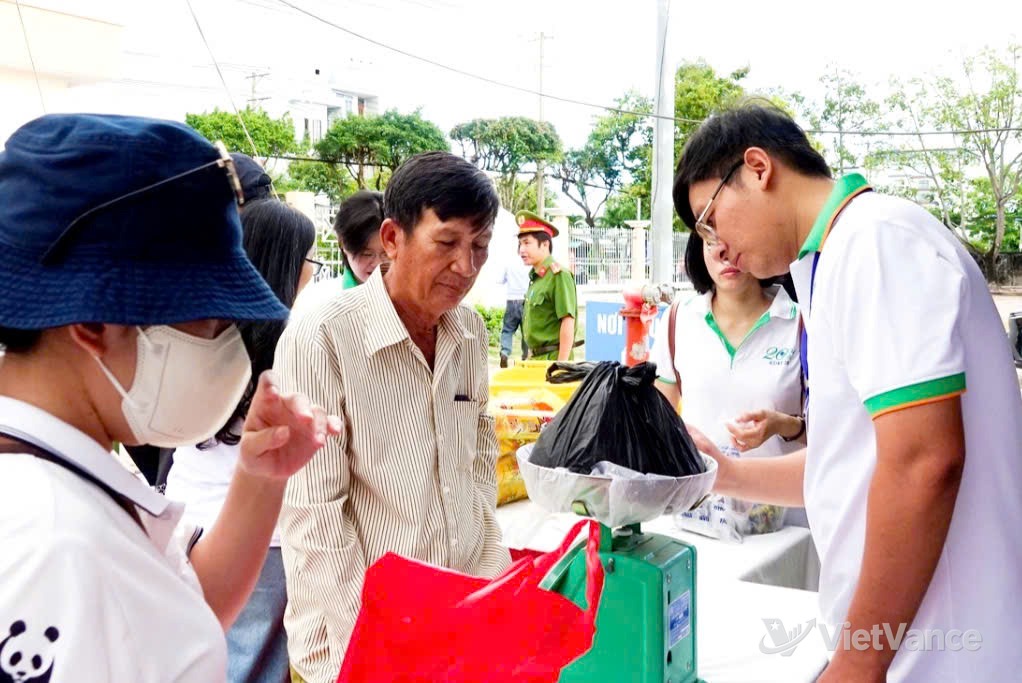
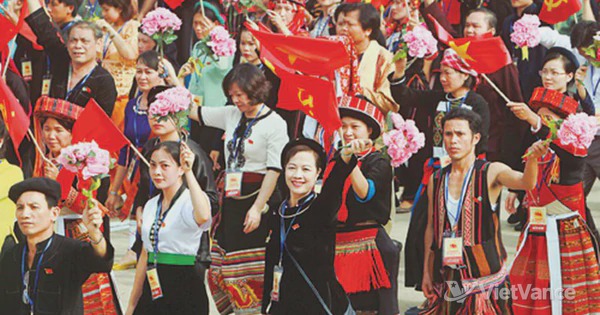
Residents learn about sorting waste at source at a green living event in An Giang in 2026.(VietVance)
In the Phu Quoc special zone, shells and coconut shells from tourism-related restaurants and accommodation are used to make products. Vòng tay tử tế Co., Ltd. turns collected shells into earrings, necklaces, keychains and other accessories, and makes discarded coconut shells into storage items. Some hotels and resorts buy these products for their reception areas. The company also offers craft activities for visitors, and its products are sold in places including Da Nang, Hanoi and Nha Trang.
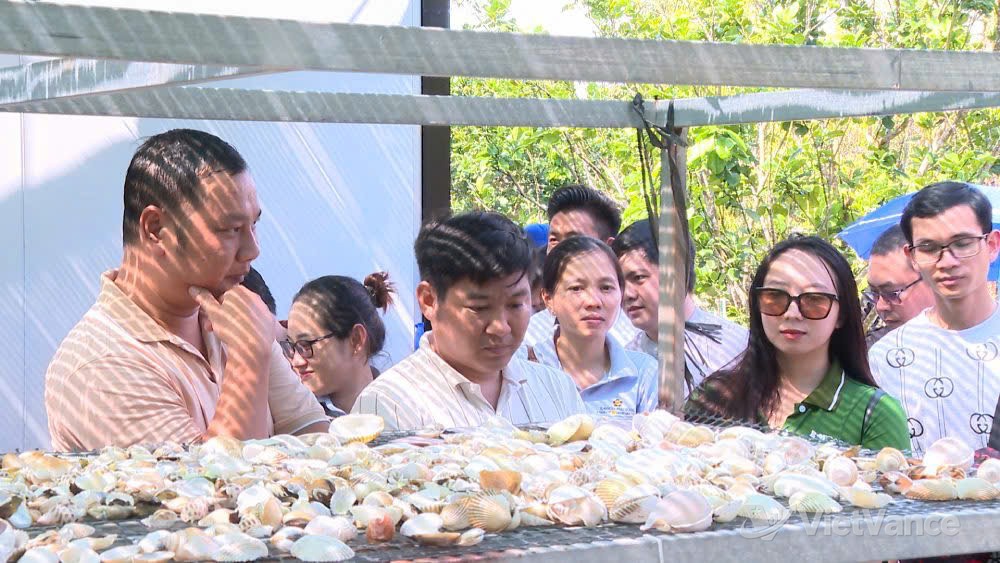
Visitors view a display of recycled products made from shells.(VietVance)
An Giang’s environmental authorities say the province is promoting waste sorting among households and businesses. In some rural areas, residents are taught to use homemade microbial preparations to treat food waste and to compost straw, crop stems and leaves, and spoiled fruit and vegetables for agricultural use. Training for residents, farmers and other groups also covers reducing the use of single-use plastics.
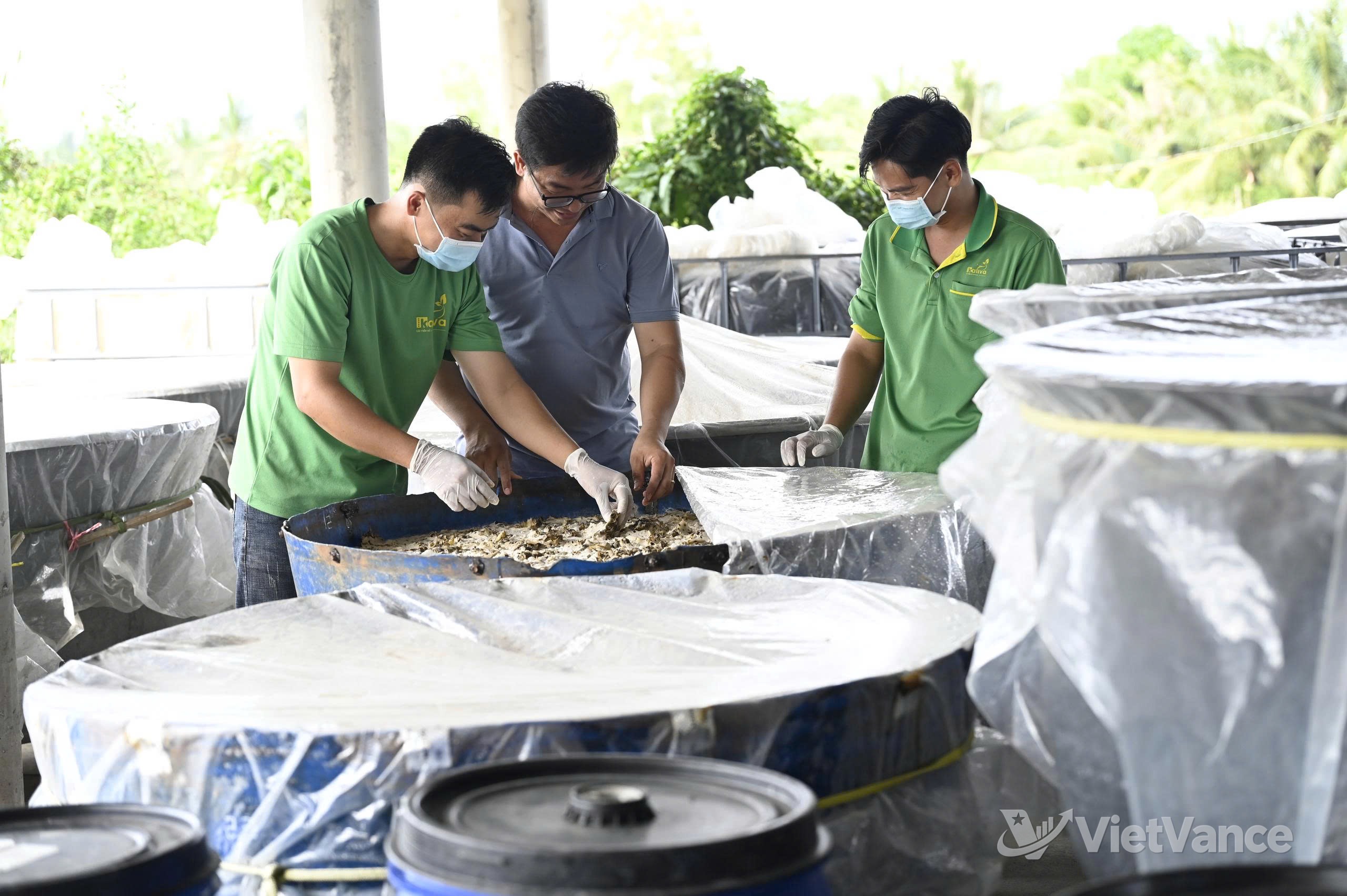
Residents use spoiled fruit and vegetables to make organic fertilizer for agriculture.(VietVance)
For centralized treatment, An Giang is studying the use of microbial technology to reduce odors, air pollution and accumulated waste at dumps. The province proposes reducing landfilling, increasing recycling and reuse, and exploring the production of compost from organic waste, refuse-derived fuel and electricity from waste incineration. These approaches still need to be aligned with local waste management plans before they can be expanded.
Source: VietVance