ASEAN Semiconductor Industry Seeks Cross-Border Cooperation
As AI drives semiconductor demand, experts and business representatives at a November 2026 summit in the Philippines urged ASEAN members to combine their strengths in manufacturing, design and research, and strengthen regional supply chains through workforce mobility and coordinated standards.

The growth of artificial intelligence is driving demand for semiconductor components. At the ASEAN Business and Investment Summit, held in the Philippines over the weekend of November 14–15, 2026, experts and business representatives said member states could connect their respective industrial strengths to improve their position in the semiconductor supply chain. ERIA President Tetsuya Watanabe said no country needs to handle every stage of production; Boon Keng Lok, SEMI’s Asia strategy director, also said the semiconductor industry is highly interconnected and regional cooperation would help improve global competitiveness.
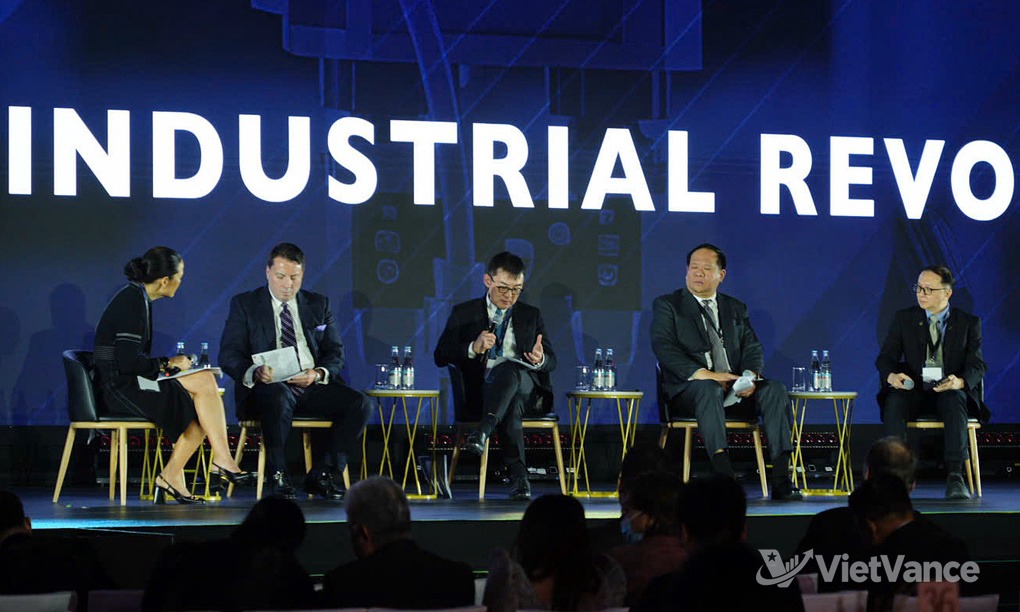
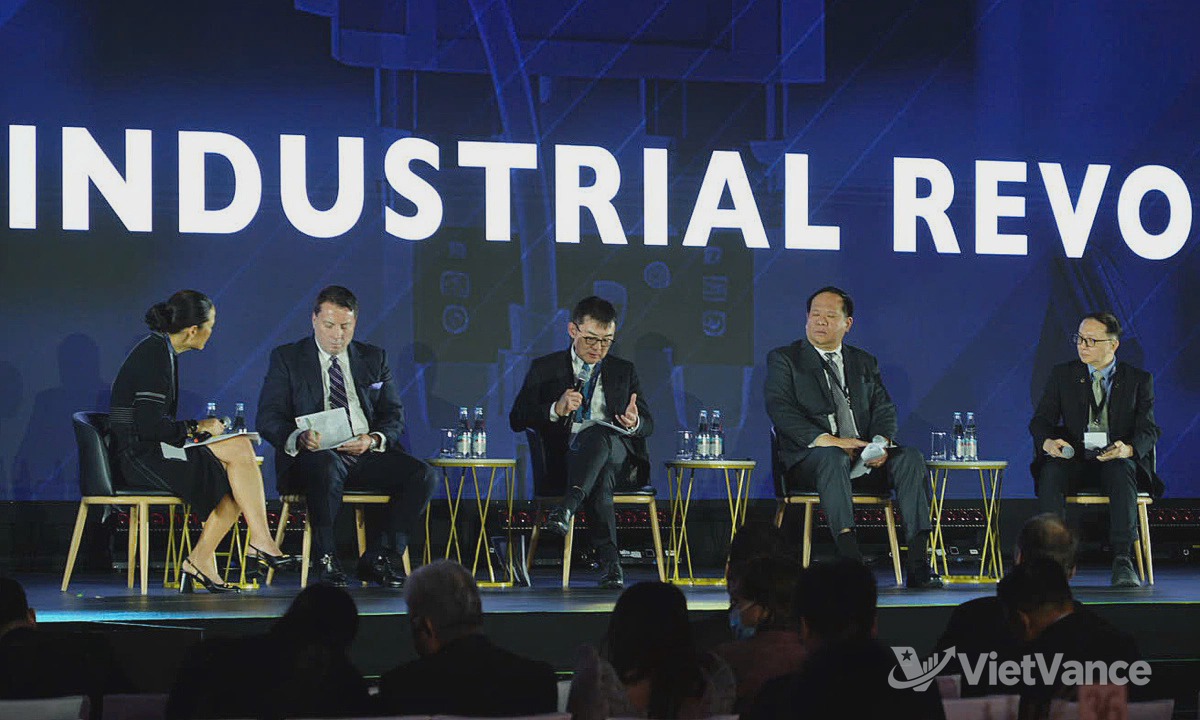
Experts speak during an industry discussion at the 2026 ASEAN Business and Investment Summit.(VietVance)
An IMARC Group report said Southeast Asia’s semiconductor market is growing by 8.9% annually and is expected to reach US$55 billion by 2033. The report also identified talent shortages, complex regulatory systems and tariff changes as short-term challenges. The ASEAN Business Advisory Council said the semiconductor industry is important to regional supply chain resilience, competitiveness and technological autonomy.
The ASEAN Business Advisory Council said Vietnam’s manufacturing base is growing rapidly and the country is promoting innovation through policy; Malaysia has developed a relatively comprehensive semiconductor testing, packaging and design ecosystem, while Singapore has strong research and development capabilities. Patricia Buenaventura Nichol of Bain & Company said the Philippines and Vietnam are working to increase the value added by their electronics and semiconductor industries.
Boon Keng Lok suggested that countries specialize according to their strengths, focusing on power semiconductors, sensors, space technology and quantum technology. He also proposed connecting the more than 300,000 engineers and technicians covered by national semiconductor plans through workforce mobility and support for startups. He recommended aligning production, sustainability and cybersecurity standards to improve access to multinational companies’ supply chains.
Tetsuya Watanabe proposed cooperation between universities and businesses across countries to bring workforce training closer to production needs. Patricia Buenaventura Nichol said the results of cooperation should be measured by concrete indicators, including viable projects, qualified suppliers, skilled workers and actual investment.
Source: VietVance