Bangkok Implements Eight Sets of Measures to Tackle PM2.5 Pollution
Bangkok is implementing eight sets of measures to address winter PM2.5 pollution. Thailand’s Pollution Control Department said that, as of noon on November 14, 2026, PM2.5 levels at nine locations in Bangkok and neighboring provinces had reached a level that begins to affect health. It warned that pollution could worsen on November 19–20.

The Bangkok Metropolitan Administration is implementing eight sets of measures to address the risk of winter fine particulate pollution. Key steps include monitoring pollution sources, inspecting traffic and industrial emissions, reducing open burning, and issuing health advice to residents. Thailand’s Pollution Control Department said that, as of noon on November 14, 2026, PM2.5 concentrations at nine locations in Bangkok and neighboring provinces had reached a level that begins to affect health. Concentrations across the area ranged from 21.9 to 44.2 micrograms per cubic meter.
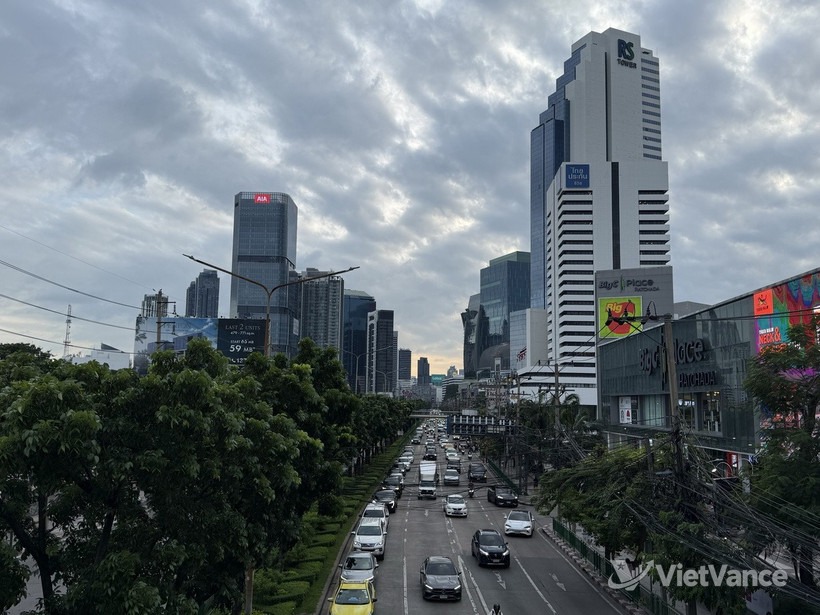
Fine particulate concentrations are rising in Bangkok and surrounding areas, and pollution levels at some locations have begun to affect health.(VietVance)
The Pollution Control Department forecasts that stronger cold air could reduce air circulation and dispersion on November 19–20, worsening pollution. Thailand entered its winter season on November 9. As of November 13, the country had recorded 30 fire hotspots, most of them in rice-growing areas in the north and center.
Woranuch Suaykhaokhao, head of the Bangkok Metropolitan Administration’s Environment Department, said the city has launched its “BKK Clean Air 2027” program. Through a command center, the administration will bring together data on particulate concentrations, wind direction, fire hotspots and emission sources. It will also work with Kasetsart University to analyze particulate composition and identify pollution sources.
Bangkok will step up inspections of construction sites, factories, bus depots and vehicle exhaust, and connect to continuous emissions monitoring data from industrial facilities. The city will also exchange fire hotspot and weather data with neighboring provinces, particularly Nakhon Nayok, and encourage farmers to replace burning with methods such as baling or chopping straw or breaking it down with microbial products.
The city will issue air quality alerts through its website, app and emergency notification system, coordinate remote work when necessary, and provide forecasts to health and education authorities so schools can adjust outdoor activities. The Pollution Control Department advises children, older people, pregnant women and people with respiratory conditions to limit outdoor activities when air quality is poor and wear masks capable of filtering PM2.5.
Source: VietVance