BSR Tests Power Equipment Data System at Dung Quất Refinery
Vietnamese refining company BSR tested its in-house power equipment data collection system at the SS7 substation of the Dung Quất refinery, connecting 13 relays. During about a month of continuous operation, measurement data was updated in under two seconds. BSR plans to improve the system and explore wider use.

Vietnam Refining and Petrochemical Corporation (BSR) tested its in-house power equipment data collection and monitoring system at the SS7 substation of the Dung Quất refinery. The system connected to 13 REF542+ relays in 6.6 kV and 0.4 kV switchgear. After about a month of continuous operation, measurement data was updated in under two seconds, while equipment status data was updated approximately every 0.46 to 1 second.
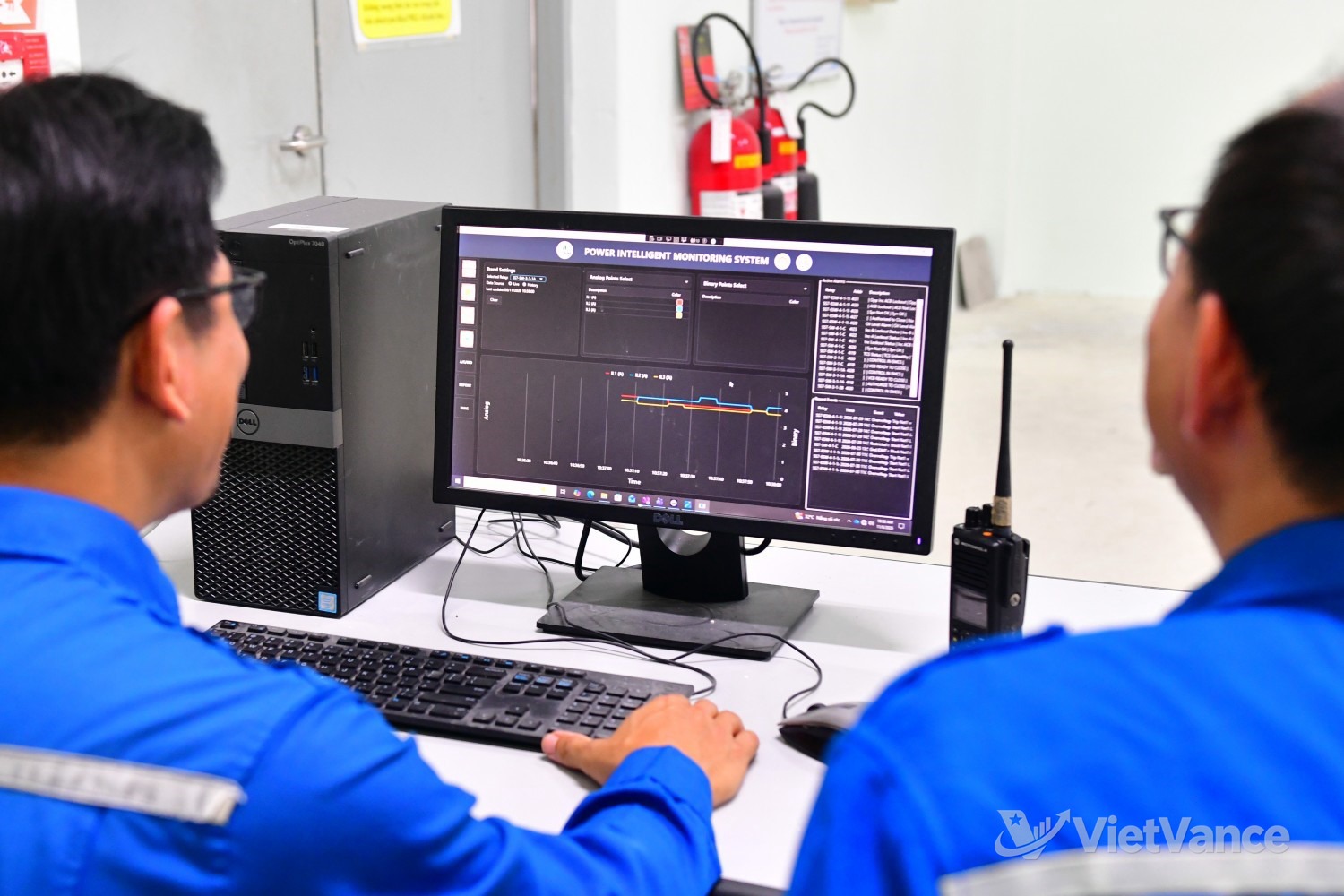
BSR engineers review power equipment data software in an office.(VietVance)
The refinery has nearly 350 REF542+ relays. They are connected to the central electrical monitoring and control system, but limits in connection protocols, configuration and data lists have left some detailed information underused. BSR’s technical team used the relays’ existing Ethernet connections and web interface to develop an automated data collection tool and build a data platform independent of the existing control system.
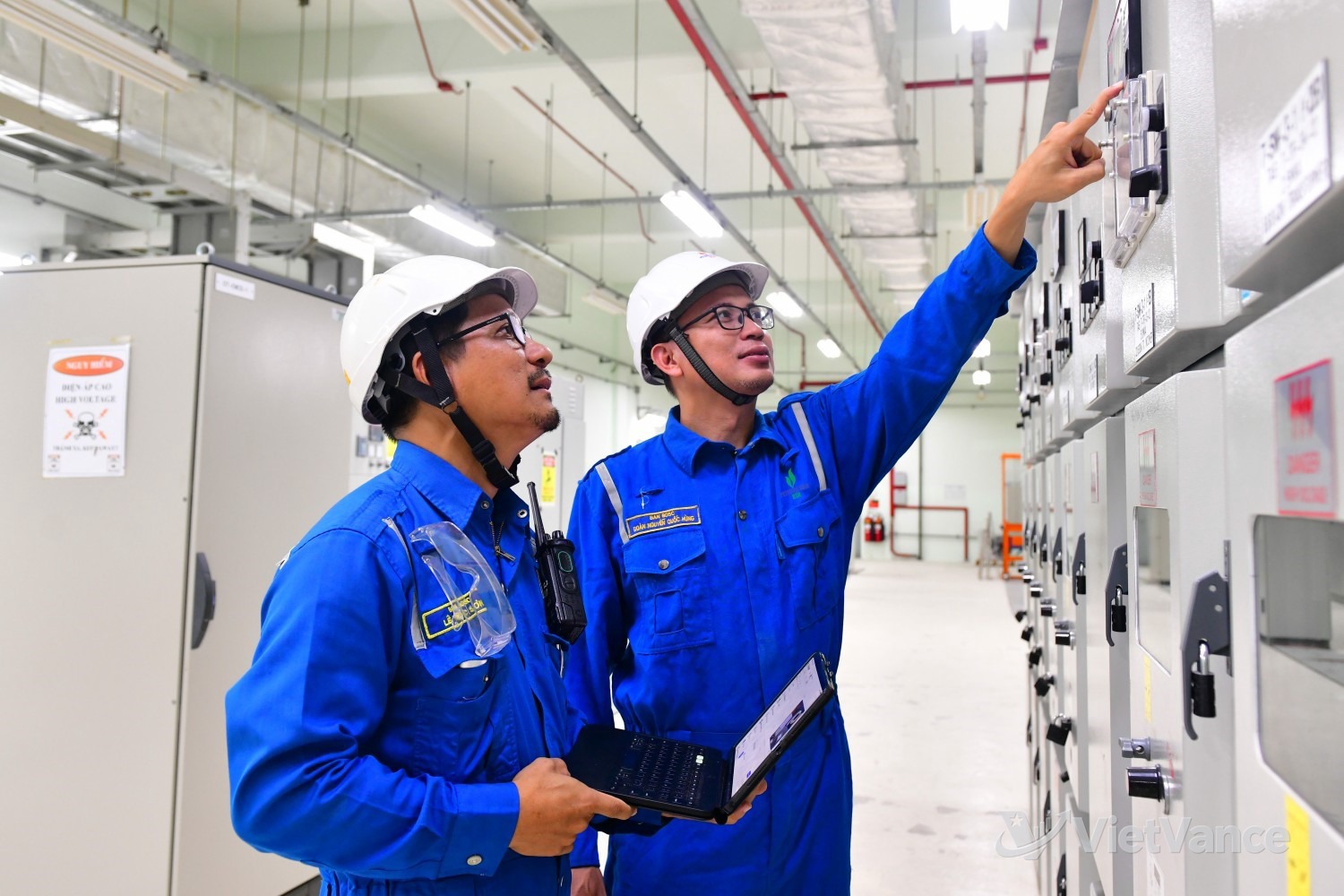
BSR engineers inspect switchgear and electrical equipment at the Dung Quất refinery.(VietVance)
The new system can collect, organize, store and display equipment data, allowing staff to review operating parameters, equipment status, alarms and past events. It also provides initial threshold-based alerts. The system serves only as an additional monitoring tool: it does not issue electrical switching commands or change relay protection settings. During the trial, it could detect connection interruptions and resume collecting data once communications were restored.
BSR plans to continue improving the system, explore connections to other relays and smart devices, and gradually extend it to all 13 substations at the refinery. The company also plans to use the accumulated data to study condition-based maintenance, fault diagnosis and AI-assisted prediction; these applications remain future goals.
Source: VietVance