Cà Mau advances shrimp industry transformation, targets over US$3.5 billion in exports by 2030
In the first nine months of 2026, Cà Mau had nearly 418,000 hectares of shrimp farms and harvested nearly 440,000 tonnes, up about 10% year on year. The province plans to expand certified farming areas, strengthen supply chain coordination and adopt more technology, aiming to produce about 731,000 tonnes of shrimp and generate over US$3.5 billion in exports by 2030.

In the first nine months of 2026, Cà Mau’s shrimp farming area reached nearly 418,000 hectares, with a harvest of nearly 440,000 tonnes, up about 10% year on year. Of that area, nearly 90,000 hectares were used for shrimp farming in mangrove forests and nearly 93,000 hectares for rice-shrimp rotation. The province is working to bring farming areas up to standard and expand the use of technology to increase the value of its shrimp industry.
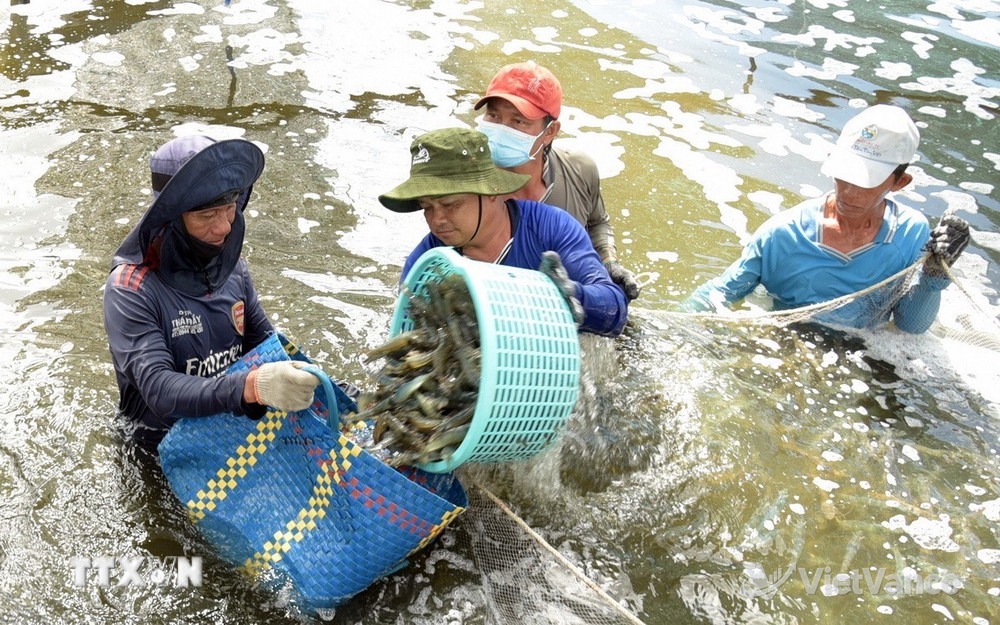
Cà Mau residents harvest shrimp raised using advanced technology.(VietVance)
Cà Mau has established 48 linked production chains. The reported area covered by these links and certifications totals 38,169 hectares and involves nearly 8,000 households. Some farming areas are gradually adopting international standards such as ASC, BAP and Naturland. The province has 89 seafood processing plants for export, with a combined designed capacity of more than 500,000 tonnes a year; its shrimp products are sold in about 60 countries and territories.
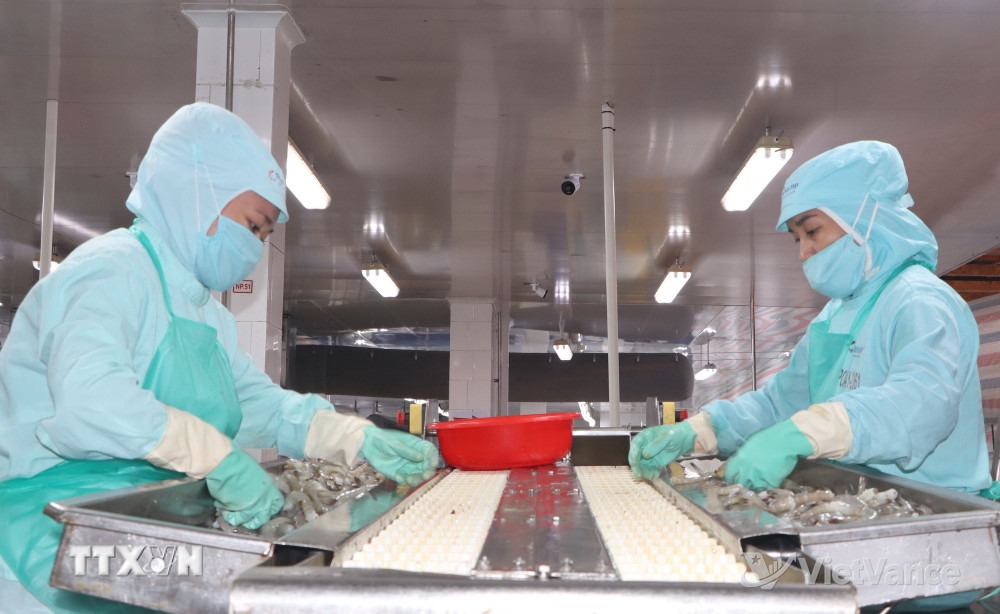
Shrimp processing in Cà Mau.(VietVance)
Cà Mau’s shrimp industry still faces challenges, including fragmented farming and too few concentrated farming areas that meet standards. Seed quality, disease control, management of production inputs and traceability also need improvement. Lê Văn Sử, vice chairman of the Cà Mau Provincial People’s Committee, said the province wants to turn its advantage in farming area into strengths in certified farming zones, organized production and value growth.
To that end, Cà Mau plans to develop large farming areas with better supporting infrastructure, encourage cooperatives to coordinate production practices among farmers, and strengthen links between farming, processing and sales. For mangrove shrimp and rice-shrimp farming, the province plans to expand ecological and organic certification; for intensive farming, it will promote technologies such as water recirculation and environmental controls. A related draft plan puts the development area for recirculating farming and similar models at about 1,500 hectares.
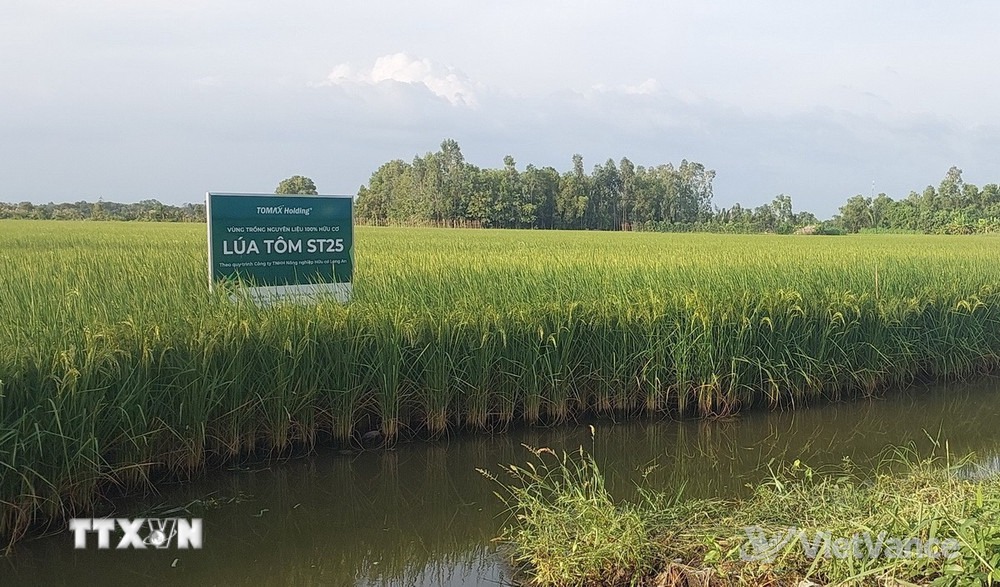
Cà Mau’s rice-shrimp rotation farming model.(VietVance)
Cà Mau aims to produce about 731,000 tonnes of shrimp and generate more than US$3.5 billion in exports by 2030. The second Cà Mau Shrimp Festival is planned for November 21–23, 2026, with about 350 exhibition booths expected. The province hopes to use the event to connect businesses, cooperatives and farmers and discuss issues including shrimp seed, farming technology and market expansion.
Source: VietVance