Cà Mau Farmers Turn Ecological Shrimp Ponds Into Tourism Experiences
Some farmers in Đất Mũi commune, Cà Mau province, are combining traditional shrimp ponds with tours, dining and accommodation to expand their income sources. A 2026 ecological shrimp farming pilot covering 20 households and 100 hectares of water recorded an initial increase of about 20.9% in aquatic product output compared with before the model was introduced.

Some households in Đất Mũi commune, Cà Mau province, Vietnam, are developing community tourism around mangrove forests and traditional shrimp ponds. In Cồn Mũi hamlet, farmers welcome visitors to see shrimp farming beneath the forest canopy, try activities such as catching crabs and casting nets, and use dining and accommodation services. Tourism gives households that previously relied mainly on seasonal seafood sales another source of income. Local seafood can also be prepared and served directly to visitors.
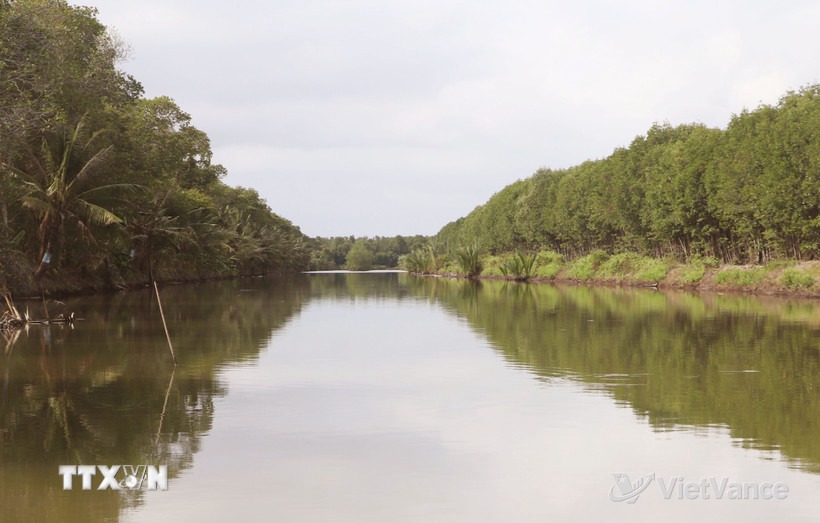
An ecological shrimp farm run by a household in Vietnam’s southernmost region.(VietVance)
Ecological farming underpins this tourism model. In 2026, the VM077 project piloted ecological black tiger shrimp farming beneath mangroves with 20 households across 100 hectares of water. Initial results indicate that the model helps improve farming conditions, increase shrimp survival rates and reduce input costs. After six months of cultivation, average profit was 45.3 million Vietnamese dong per household, while aquatic product output rose by about 20.9% compared with before the model was adopted. These figures reflect the farming pilot’s results, not tourism income.
A previously planned cultural tourism village in the area involved 7 households, each with about 7 to 8 hectares, with a planned balance of 60% forest and 40% aquaculture area. Mangroves provide both a tourism landscape and ecological conditions for aquaculture. To sustain tourism, the area still needs better transport, service quality and residents’ hospitality skills, along with stronger cooperation among households, cooperatives and travel companies.
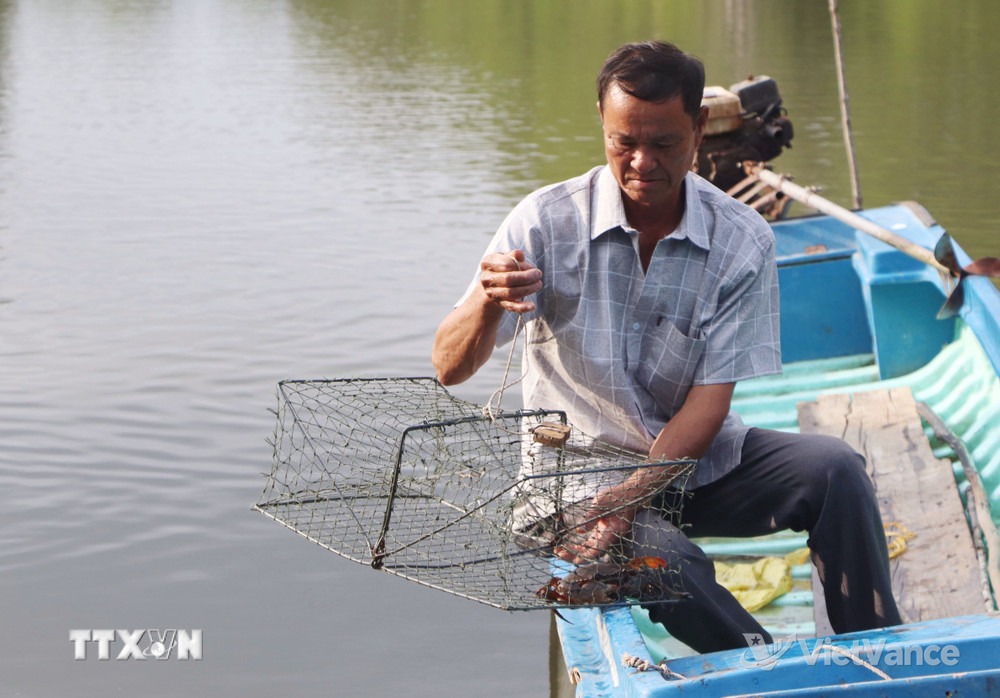
Visitors try setting crab traps.(VietVance)
Tourism activities must also comply with forest management and protection rules while taking account of water quality and the effects of climate change on coastal areas. The area hopes to attract domestic and international visitors through shrimp pond experiences, mangrove scenery and local cuisine while allowing residents to maintain their traditional aquaculture livelihoods.
Source: VietVance