Canada and China Agree to Further Reduce Tariffs on Each Other’s Goods
Canada and China agreed on November 17, 2026, to further reduce tariffs on certain goods. The measures cover about CAD 400 million in Canadian exports, while Canada will extend and expand tariff exemptions for certain Chinese steel and aluminum products. Both sides also plan to continue removing trade barriers.

Canada and China agreed on November 17, 2026, to further reduce tariffs on certain goods. The agreement was announced after Canadian Prime Minister Mark Carney met Chinese President Xi Jinping on the sidelines of the APEC leaders’ meeting in Shenzhen, China. Canada’s Prime Minister’s Office said the new measures would reduce tariffs on about CAD 400 million in Canadian exports, mainly frozen pork, fish and seafood.
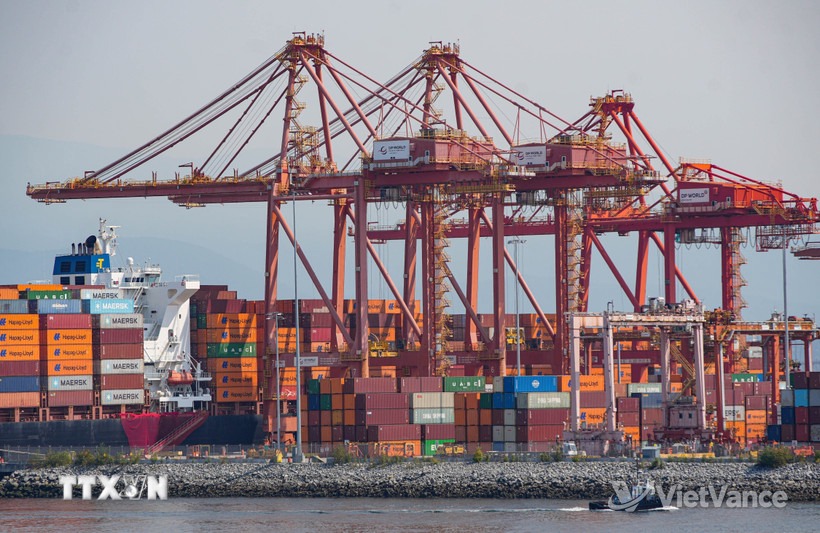
A cargo port in Canada.(VietVance)
Of that total, frozen pork exports are worth about CAD 116 million, while fish and seafood exports are worth about CAD 285 million. In return, Canada agreed to extend existing tariff exemptions for certain Chinese steel and aluminum products by two years; the exemptions had been due to expire at the end of 2026. The exemptions will also be expanded to cover 32 additional product categories, including 23 steel categories and nine aluminum categories.
Details released by the Canadian government show that the new agreement extends and expands the two countries’ preliminary trade arrangement through December 2028. From January 1, 2027, to December 31, 2028, China will suspend tariffs considered discriminatory on certain Canadian goods. The seafood products covered include frozen cold-water shrimp, mollusks, sea cucumbers and Greenland halibut.
The two countries began removing trade barriers earlier this year. After Carney visited Beijing in January 2026, Canada agreed to lower its tariff on Chinese electric vehicles from 100% to 6.1% and initially allow imports of up to 49,000 vehicles a year. China pledged to reduce tariffs on certain Canadian agricultural products, including canola. Both sides also agreed to continue facilitating access to the Chinese market for Canadian fava beans, chickpeas and lentils.
Canada plans to send a large trade promotion delegation to China in 2027. The two sides have also designated that year the “Canada–China E-Commerce Year” to help small and medium-sized businesses expand online. After the meeting, Carney said bilateral trade relations had become more stable and predictable. Canadian government figures show that trade in goods between the two countries reached CAD 125.6 billion in 2025, equivalent to about USD 87.8 billion.
Source: VietVance