Vietnam’s OTC Commodity Derivatives Bill Faces Regulatory Coordination Challenge
Commercial banks are the main providers of OTC commodity derivatives to businesses in Vietnam, while exchange trading and bank provided products fall under different regulators. Two researchers propose unified oversight, trade reporting, central clearing and investor protection measures in draft legislation.

OTC trading in commodity derivatives in Vietnam is currently conducted mainly through commercial banks, and the market remains limited in size. Exchange traded commodity derivatives are overseen by the Ministry of Industry and Trade, while OTC commodity price derivatives offered by banks are governed by regulations of the State Bank of Vietnam. Researchers Đinh Thế Hiển and Đinh Thị Thu Hà argue that the draft Law on Commodity Derivatives Trading should address how the two markets are regulated together.

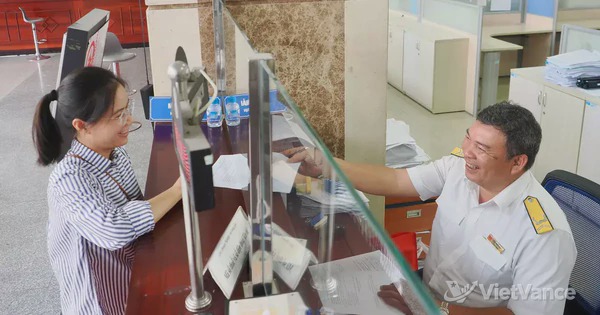
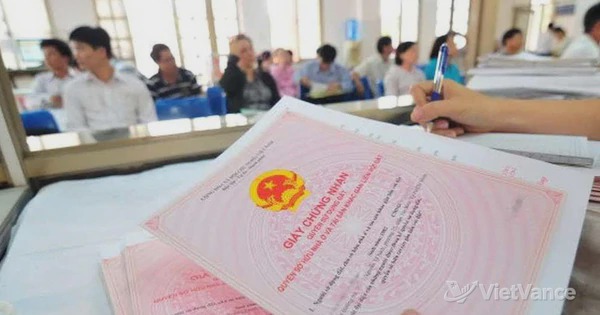
Illustration for an article on OTC commodity trading in Vietnam and policy proposals.(VietVance)
Under the State Bank of Vietnam’s Circular No. 40/2016/TT-NHNN, commercial banks may offer OTC commodity price derivatives to businesses engaged in actual commodity transactions. Businesses must submit documents for a valid underlying transaction, demonstrate financial capacity, and open and maintain a Vietnamese dong margin account at the bank. The derivatives contract may not run longer than the underlying transaction. Products include swaps, options and collars. Eligible underlying commodities are limited to agricultural products, fuels, energy products and metals; gold is excluded.
Margin payments and settlement of differences between commercial banks and domestic businesses must be made in Vietnamese dong. Banks must also enter into offsetting transactions with eligible foreign financial institutions to balance the price risk arising from contracts with domestic clients. The article says only slightly more than 10 commercial banks currently provide these services, leaving room for their products and operating models to develop.
For the draft law, the researchers propose placing exchange and OTC trading under the Ministry of Industry and Trade, requiring OTC trades to be reported to a central database, and allowing domestic commodity exchanges and clearing centers to provide trade registration, data collection and central clearing services. They also propose clear criteria for recognizing professional investors, voluntary clearing during the market’s early development, legal protection for close-out netting arrangements, and greater awareness among businesses of risk hedging. These are all legislative proposals.
Source: VietVance