Vietnam’s Dong Thap advances low-emission farming as rice trial raises yields and cuts costs
Vietnam’s Dong Thap province is promoting greener, lower-emission and more digital agriculture. In a 100-hectare rice trial during the 2026 summer–autumn crop, yields exceeded those of control fields while costs and emissions fell. The province also plans to expand low-emission farming and agricultural product traceability.

Vietnam’s Dong Thap province is shifting its agricultural focus from output volume to product quality and production efficiency. In September 2026, the Dong Thap People’s Committee launched a development plan to build ecological agriculture and modern rural areas by 2030, using technology and sustainable value chains to move agriculture toward greener, circular and low-emission production.
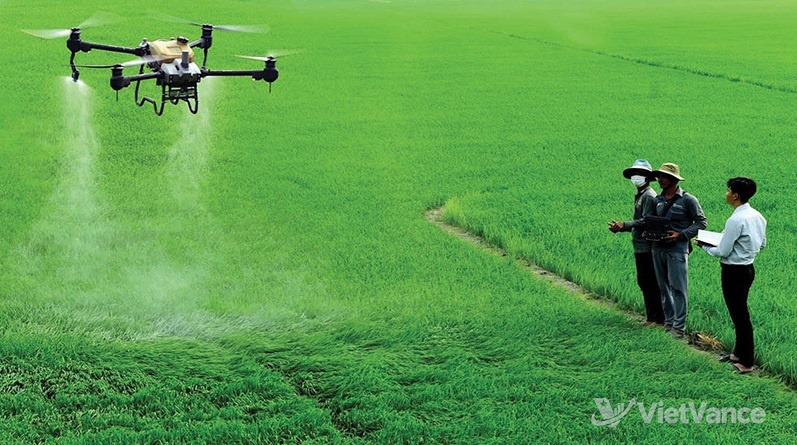
Dong Thap province is advancing green and high-tech agriculture.(VietVance)
During the 2026 summer–autumn crop, Dong Thap trialled low-emission rice cultivation on 100 hectares farmed by 100 households. The seeding rate fell from 150 kilograms per hectare to as low as 100 kilograms, while nitrogen fertiliser and pure phosphorus fertiliser use decreased by 33 kilograms and 16.5 kilograms per hectare, respectively. Farmers also adopted alternate wetting and drying irrigation and did not burn rice straw after harvest.
The trial results show that emissions fell by about one tonne of carbon equivalent per hectare per season, while emissions per kilogram of rice dropped from 0.6 kilograms to 0.3 kilograms of carbon equivalent. Rice yields reached 6.4 tonnes per hectare, 1.1 tonnes more than in control fields; production costs fell by $165 per hectare, and profit rose by more than $460 per hectare.
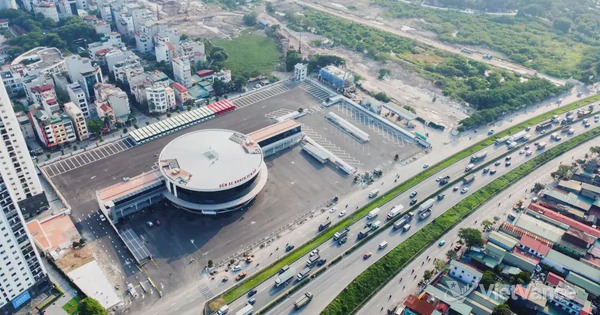
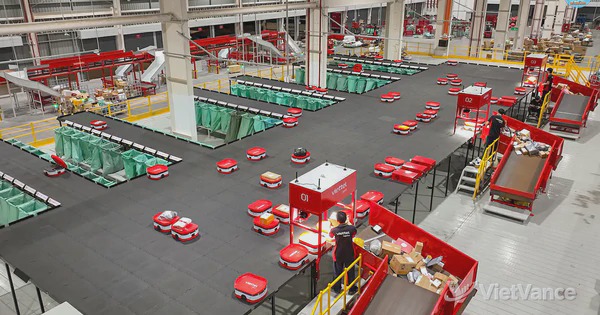
For other agricultural products, Dong Thap is promoting quality standards, smart irrigation and organic fertilisers across more than 32,000 hectares of durian growing areas, and piloted traceability at packaging facilities in 2026. The province also plans to develop agricultural logistics, trading centres and wholesale markets to strengthen storage, distribution and market connections.
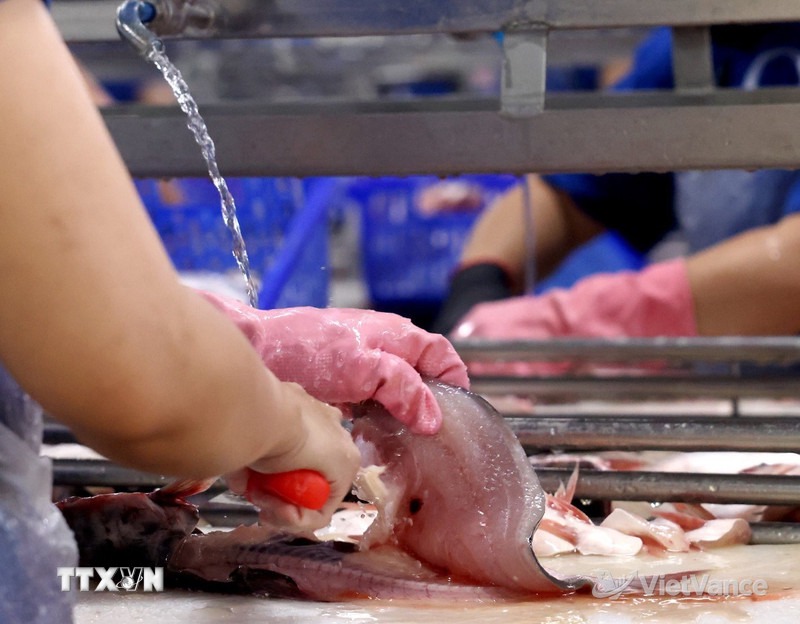
Dong Thap aims for 80% of its crop cultivation and aquaculture areas to adopt low-emission production techniques by 2030, with 80% of rice straw and aquatic by-products reused through circular practices. By 2035, it aims for all rice growing areas in the province to use low-emission cultivation methods, reducing greenhouse gas emissions by at least 20%. These targets remain plans.
Source: VietVance