ECCO closes Vietnam factory, affecting about 1,600 workers
Danish footwear brand ECCO has stopped operating its Vietnam factory but continues to sell products locally. An interviewed lawyer says the closure is part of the group’s global production restructuring and argues that Vietnam must improve its investment environment to retain existing investors while attracting new foreign investment.


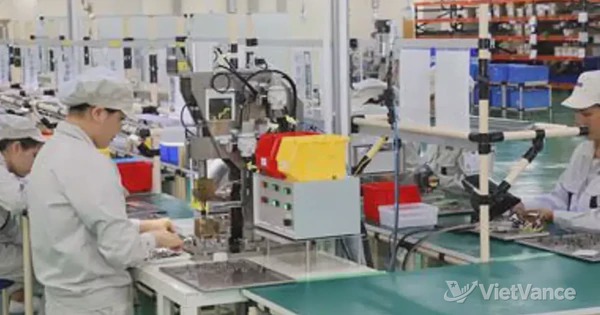
Danish footwear brand ECCO said its Vietnam factory ceased operations on November 2, 2026, affecting about 1,600 workers. The company continues its wholesale and retail business in Vietnam. ECCO had previously adjusted production capacity in other countries: in 2025, it announced the closure of its factory in Martin, Slovakia, affecting about 650 workers, and in 2026 it closed a factory in Portugal, affecting 632 workers.
Lawyer Bùi Văn Thành, head of the Mặt Trời Mới Law Office, said ECCO plans to terminate the relevant employment relationships on November 30. When a company ends an investment project and dissolves, it must settle workers’ entitlements under the law, including wages, pay for unused annual leave, applicable allowances and mandatory insurance, as well as taxes and other debts. If imported tax-exempt equipment is liquidated or put to another use, declaration and tax payment obligations may also arise.
Bùi Văn Thành said the closure of a single factory does not establish that Vietnam’s position in global supply chains is declining. Multinational companies, however, reassess each production site’s costs, productivity, supply capacity and operating efficiency when they restructure. According to Vietnam’s Statistics Office, total registered foreign investment reached US$54.85 billion in the first 10 months of 2026, up 74% year on year; disbursed investment reached US$24.08 billion, up 13.1%.
On screening foreign investment projects, Bùi Văn Thành advocated assessing technology, productivity, land-use efficiency, environmental protection and links with Vietnamese businesses, rather than making decisions solely by industry. He said a stable, transparent legal environment and consistent policy implementation also affect whether existing investors continue to expand production in Vietnam.
Under the global minimum tax system, multinational companies subject to it may see the benefits of traditional corporate income tax exemptions and reductions diminished by top-up taxes. Bùi Văn Thành recommended directing more investment support toward workforce training, research and development, technology upgrades and infrastructure, while simplifying applications so businesses directly engaged in production and commercial operations can access support.
Source: VietVance