Vietnam’s Registered FDI Reaches $54.85 Billion in First 10 Months of 2026
From January to October 2026, Vietnam registered $54.85 billion in foreign direct investment, the highest in 17 years. Disbursed FDI also reached a five-year high for the period. An electric vehicle factory in Bac Ninh has achieved a localization rate above 50%, but challenges remain in disbursing investment and extending its benefits to domestic businesses.

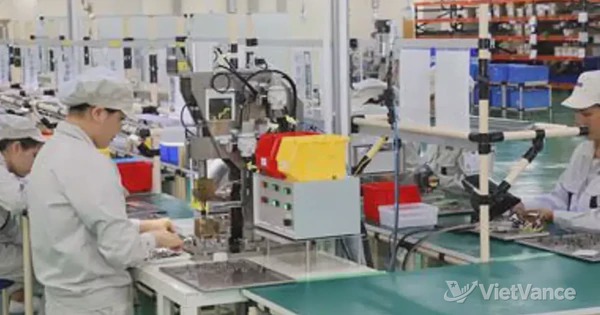
From January to October 2026, registered foreign direct investment (FDI) in Vietnam reached $54.85 billion, the highest in 17 years. Disbursed FDI also hit a five-year high for the same period. As inflows grow, attention is turning to how more Vietnamese companies can participate in the supply chains of foreign-invested projects.
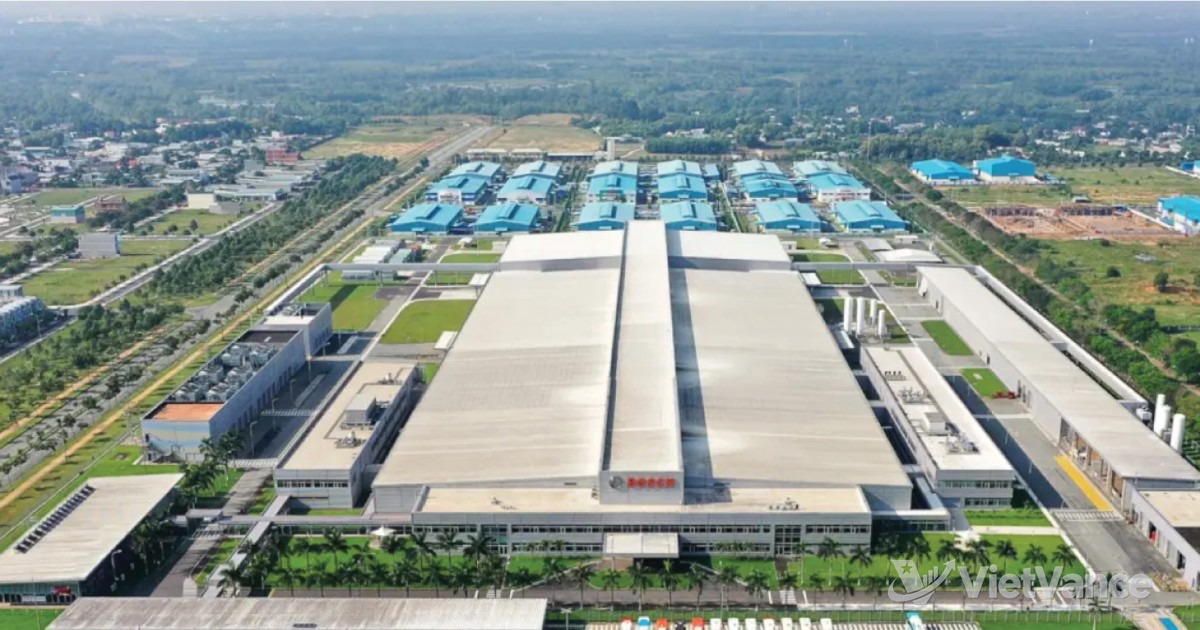
After eight years of operation, Yadea Vietnam’s electric vehicle factory in Bac Ninh city has progressed from assembling imported components to an average localization rate of over 50%, with some models reaching 80%. The company plans to invest in a second-phase factory in 2027. General Manager Liu Jia said that, once the second phase is complete, the company expects to bring supporting component manufacturers, including makers of electric motors and controllers, to Vietnam to invest in production.
Resolution No. 10 of the Communist Party of Vietnam’s Politburo sets targets for 2030 of $40 billion to $50 billion in annual registered FDI and $30 billion to $40 billion in disbursed FDI. Nguyễn Anh Tuấn, chairman of the Foreign-Invested Enterprises Association, said the gap between registered and disbursed capital remains substantial. He called for obstacles involving land clearance, land use and administrative procedures to be addressed to accelerate disbursement.
The expansion of supply chains in Vietnam by large companies also creates demand for land in industrial parks suited to supporting industries and for green standards. A draft amendment to parts of Vietnam’s Investment Law aims to deepen cooperation between domestic and foreign-invested companies, promote technology transfer and workforce training, and help domestic firms participate more fully in global supply chains.
Source: VietVance