EU Imposes 16% Anti-Dumping Duty on Some Vietnamese Cold-Rolled Steel
The European Commission has imposed a 16% anti-dumping duty on certain cold-rolled steel products from Vietnam, effective November 17, 2026. Vietnam’s trade office in Belgium, the EU and Luxembourg advises steel exporters to check the product scope, applicable rates and import documentation requirements.

On November 13, 2026, the European Commission issued an implementing regulation imposing definitive anti-dumping duties on certain cold-rolled flat steel products originating in Vietnam and other countries and territories. The duty on Vietnamese products is 16%. The regulation was published in the Official Journal of the European Union on November 16 and took effect on November 17.
The measure covers certain flat-rolled products of iron, non-alloy steel and other alloy steel that have not been coated, plated or clad and have undergone no further processing beyond cold rolling. Stainless steel, certain electrical steels and other specialized steel products excluded under the regulation are outside its scope.
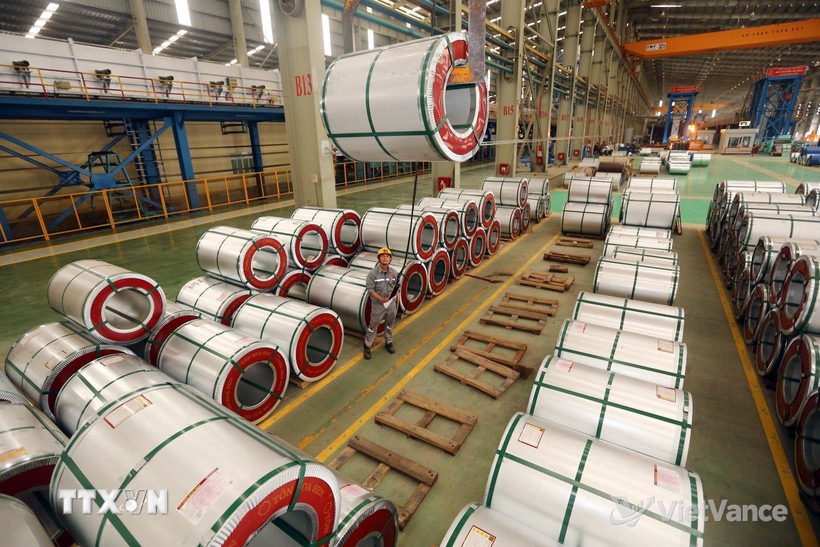
A production line for cold-rolled steel products at Công ty TNHH MTV Hoa Sen Nghệ An in Đông Hồi Industrial Park, Nghệ An Province.(VietVance)
The European Commission opened the investigation on September 18, 2025, following an application submitted by the European Steel Association on August 4, 2025. It found that imports within the scope of the investigation were being dumped and had injured the EU industry producing similar products. In addition to Vietnam’s rate, the applicable duties are 9.5% for India, 27.9% for Japan, 20.7% to 27% for Taiwan (China), and 3% to 7.8% for Türkiye.
Vietnam’s trade office in Belgium, the EU and Luxembourg said the duties could directly affect the competitiveness of Vietnamese cold-rolled steel in the EU market and its export activity. It advised steel exporters to check product coverage, applicable duty rates and import documentation requirements, and to continue working with the relevant authorities to protect their lawful rights and interests.
Source: VietVance