Fed Officials Agree on Further Rate Hikes but Differ Sharply on Pace of Tightening
A U.S. inflation report released on November 10 showed price pressures spreading across multiple goods and services. Federal Reserve officials broadly agreed that further rate hikes were needed, but differed over whether to accelerate them in December and how many more increases would be required.

On November 10, 2026, Federal Reserve officials reached a broad consensus on continuing to raise interest rates to control inflation, but differed over the pace of increases and the extent of tightening. A report released that day by the U.S. Bureau of Labor Statistics showed that inflationary pressures had spread to food, household equipment, entertainment and motor vehicle insurance, among other areas.
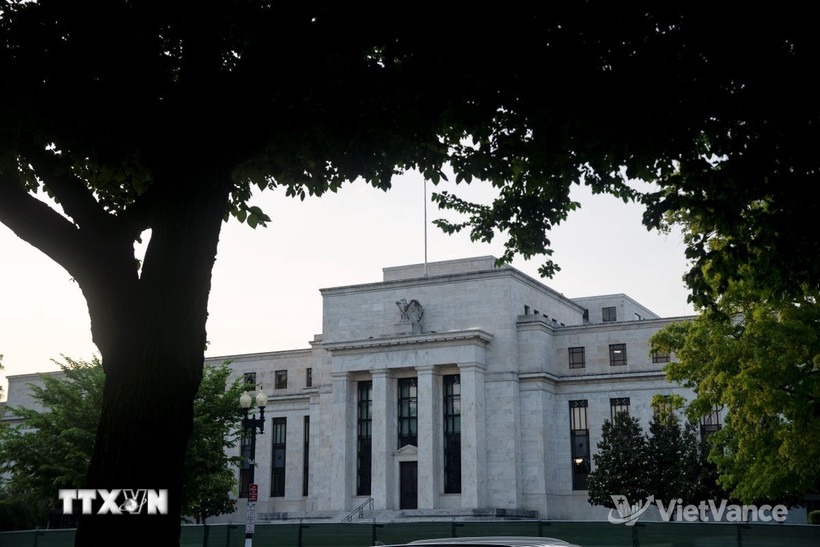
Federal Reserve headquarters in Washington, D.C.(VietVance)
Federal Reserve Governor Christopher J. Waller said maintaining the usual 0.25 percentage point rate increase could damage the central bank’s credibility, and raised the possibility of a 0.5 percentage point increase at its December 2026 meeting. Dallas Fed President Lorie K. Logan also said the next rate increase might need to be accelerated and that at least two more increases of 0.25 percentage points each would be needed before a pause.
Officials who favor gradual adjustments emphasized the economy’s ability to withstand them. Fed Vice Chair for Supervision Michelle W. Bowman said that, amid financial market volatility, the benefits of further tightening should be carefully weighed against the costs to interest rate sensitive sectors. The presidents of the Philadelphia and Richmond Fed banks stressed the need to reduce risks to the labor market and give businesses and households time to adjust. Fed Chair Kevin M. Warsh did not set out a detailed position on the next interest rate target.
Wells Fargo chief economist Tom Porcelli said the main contributors to monthly U.S. inflation have varied considerably in recent reports and often reverse quickly. Economic researchers warned that rising rents and a resilient labor market could continue to fuel inflationary pressure; if the Fed is unwilling to accept some damage to the labor market, its goal of bringing inflation down to 2% may be difficult to achieve.
Source: VietVance