HAGL plans VND 305 billion coffee expansion in 2027
HAGL plans to invest about VND 305 billion to plant another 5,000 hectares of coffee in 2027, advancing its goal of developing 20,000 hectares across Vietnam, Laos and Cambodia by 2028. It also approved a wholly owned industrial cluster infrastructure subsidiary with registered capital of VND 60 billion.

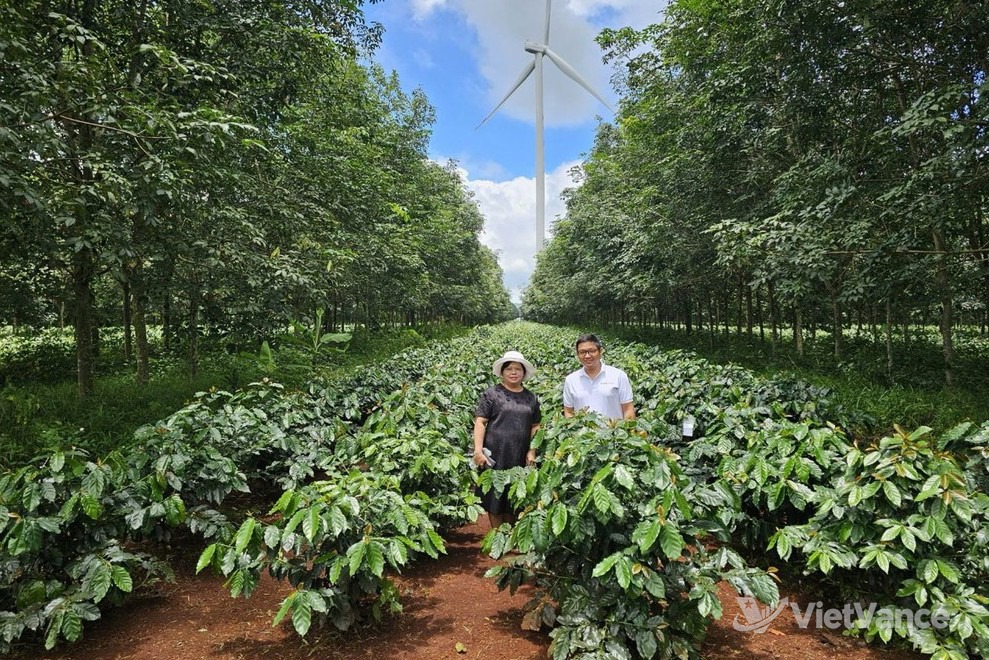
The board of Hoang Anh Gia Lai JSC (HAGL, stock code HAG) has approved a coffee cultivation plan to plant another 5,000 hectares in 2027, with an investment of about VND 305 billion. The board has asked management to draw up detailed plans for funding, seedlings, agricultural supplies and labor.
By the time the board resolution was announced, HAGL had planted a cumulative 10,000 hectares of new coffee crops. Of that area, 2,088 hectares operated by subsidiary Hoang Anh Gia Lai Coffee JSC received Rainforest Alliance certification. The certification is valid from September 24, 2026, to September 23, 2029, provided the company continues to meet and update the relevant requirements each year as prescribed.
HAGL aims to develop 20,000 hectares of coffee plantations in Vietnam, Laos and Cambodia by 2028. The company planted about 3,000 hectares in 2025 and added about 7,000 hectares in 2026. It plans to add another 5,000 hectares in each of 2027 and 2028. Funding needs for 2026 through 2028 are estimated at about VND 14.22 trillion.
The board also approved the establishment of a wholly owned subsidiary, HRA Technical Infrastructure Construction and Business Co., Ltd., with proposed registered capital of VND 60 billion. Based in Gia Lai province, it will focus on investing in and building industrial cluster infrastructure. HAGL General Director Nguyễn Xuân Thắng will serve as its authorized representative and manage HAGL’s capital contribution to the subsidiary.
In coffee sales, HAGL member company Hoang Anh Gia Lai International Investment JSC signed a five-year memorandum of understanding for long-term cooperation with Shanghai-based MQ Coffee in late August 2026. The former will supply green Arabica coffee beans from growing areas in Laos; the latter will use them for roasting, product development and business operations.
Source: VietVance