Ho Chi Minh City Reviews Charging Stations Ahead of New Technical Standards
Vietnam’s national technical standards for electric vehicle chargers and charging stations will take effect on July 1, 2027. Ho Chi Minh City’s power utility is reviewing existing stations, assessing their impact on the grid and preparing to handle connection and energization procedures under the new rules.

Vietnam’s Ministry of Industry and Trade issued national technical standards for electric vehicle chargers and charging stations in late September 2026. They will take effect on July 1, 2027. Ho Chi Minh City Power Corporation (EVNHCMC) has instructed its units to study the new rules, review existing charging stations and assess the facilities’ impact on local power grids.
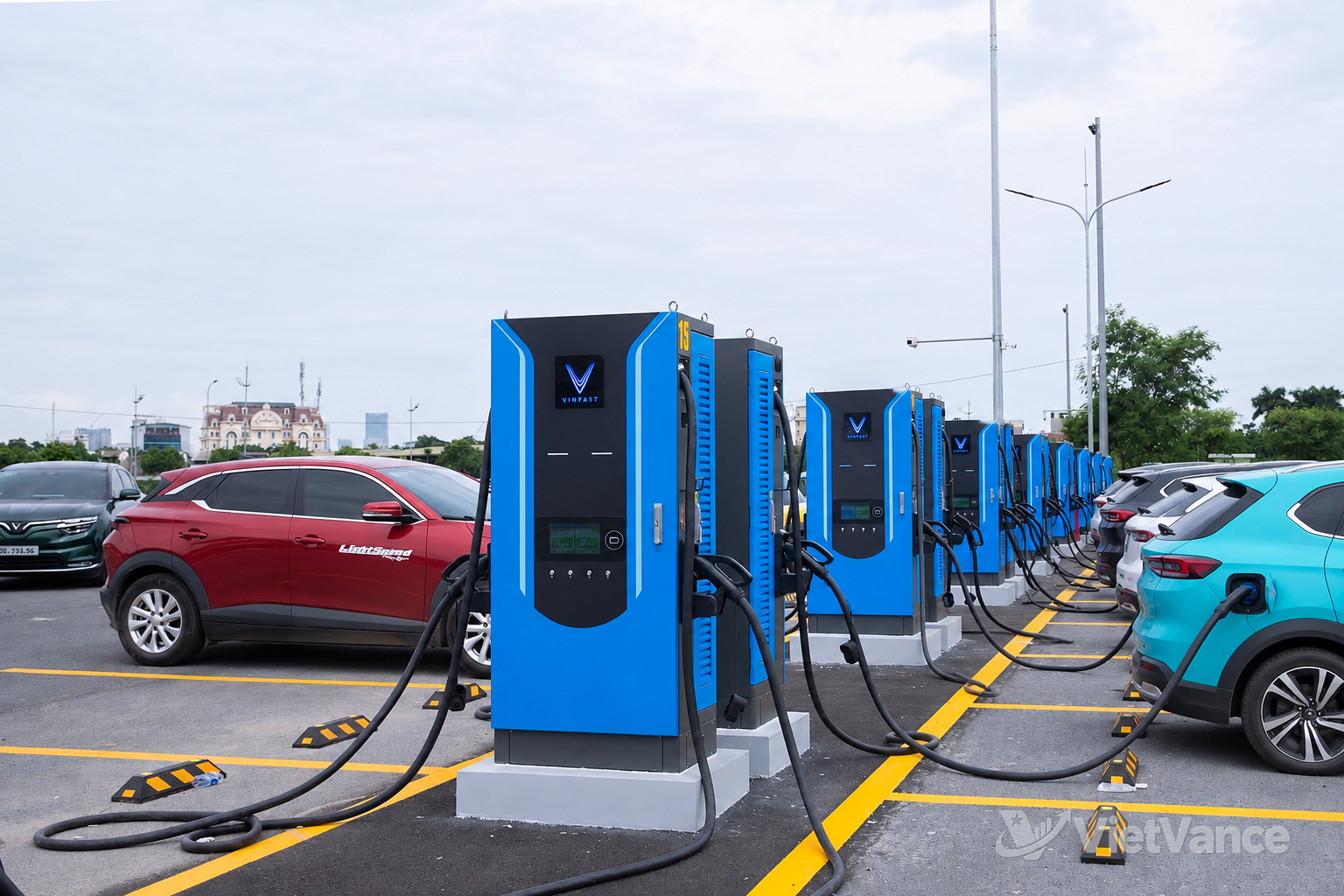
An electric vehicle charging station already in operation.(VietVance)
The units must explain the new rules to teams responsible for power supply, connections, operations management and dispatch, and use them to guide investors through grid connection agreements, electricity metering, energization, load adjustments and fault handling. They will classify existing charging stations covered by the rules and inform customers of the transition arrangements. They will also assess issues including power quality, power factor and load, and take necessary measures to protect the grid.
From July 1, 2027, when handling applications to connect and energize charging stations, the power utility must check grid connection documents, technical acceptance results, confirmation that the conditions for energization have been met and related materials. EVNHCMC requires a transparent process and prohibits any conditions beyond those prescribed by law.
As of April 2026, Ho Chi Minh City had about 10,000 electric car charging stations, more than 300 fast-charging points for electric motorcycles and thousands of battery-swap cabinets. The city is working to attract private investment in charging stations at 19 bus stations and finalize a plan to develop its public charging network.
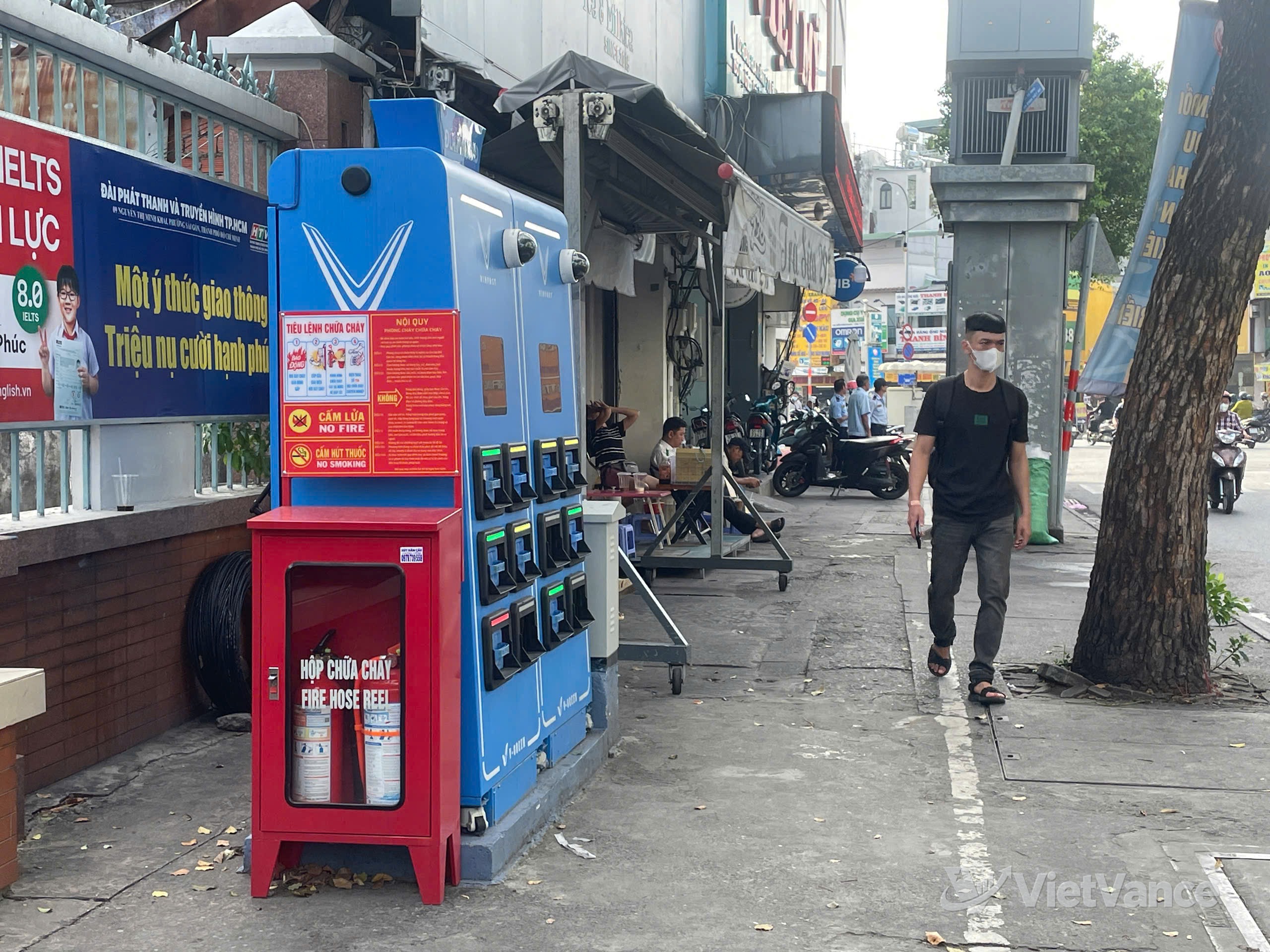
Ho Chi Minh City has thousands of battery-swap cabinets for electric vehicles.(VietVance)
The new standards cover equipment, power supply and distribution, connections, installation, electrical safety, control and operation. They apply to relevant charging facilities in public areas, centralized parking lots and rest stops, but not to charging stations inside buildings, such as those in basements and garages. The standards also require stations to detect and warn of faults involving fires, electrical leakage, collisions, flooding and overheating, isolate those faults and cut off power. They define the responsibilities of investors and organizations responsible for design, construction and operation.
Source: VietVance