Ho Chi Minh City Unveils Master Plan with Five Development Hubs
Ho Chi Minh City unveiled its 2025–2050 master plan on November 23, with a vision extending to around 2125. The plan divides the city into five development hubs, five satellite centers and ten development management zones covering finance, technology, industry, port logistics and ecotourism.

The Ho Chi Minh City People’s Committee unveiled its 2025–2050 master plan on the morning of November 23, 2026, with a vision extending to around 2125. Approved on October 31 under Decision No. 7308/QĐ-UBND, the plan proposes a multi-polar, multi-center urban structure comprising five development hubs, five satellite centers and ten development management zones.
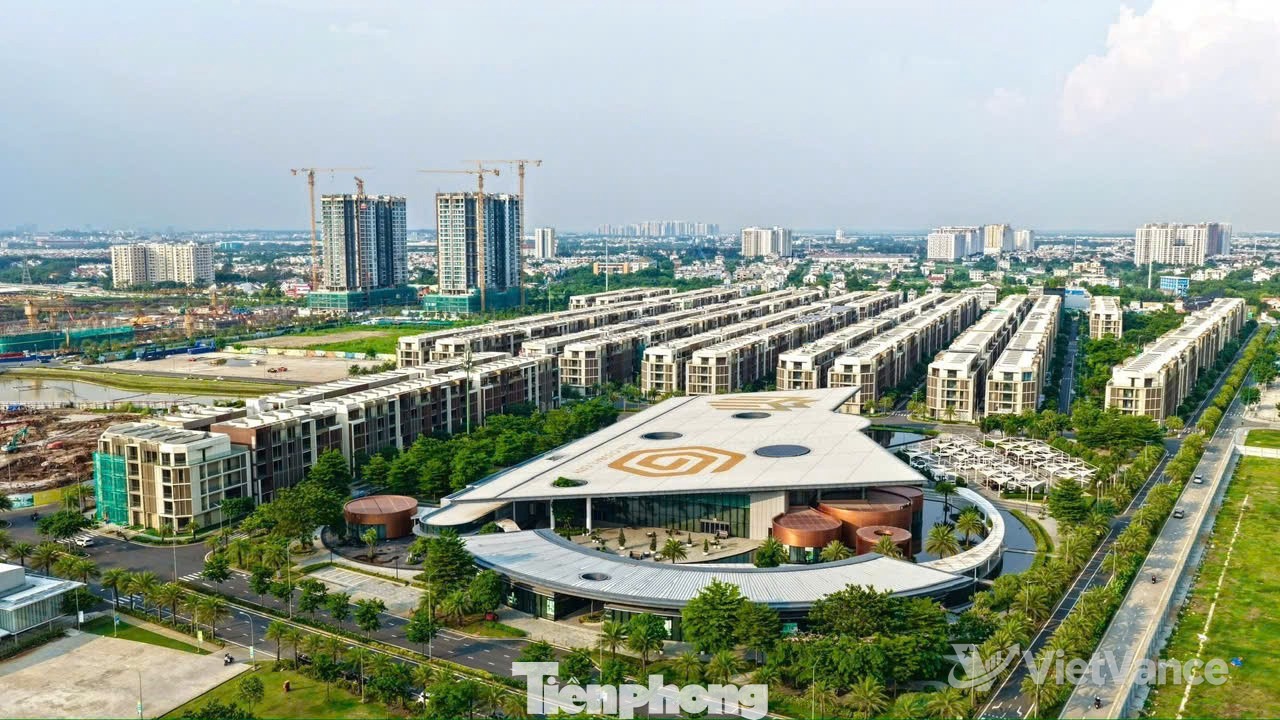
Under the plan, Ho Chi Minh City aims to become a modern, dynamic and innovative city by 2030.(VietVance)
The plan sets phased development goals: by 2030, Ho Chi Minh City aims to strengthen its position as a Southeast Asian center for the economy, finance, technology and logistics; by 2045, it aims to become an Asian center for international finance, technology and innovation while advancing green growth and climate adaptation; and by 2075 and beyond, it aims to become a smart city with global influence.
Each of the five development hubs has a distinct focus: the central core on international finance, trade, services and the creative economy; the eastern and northeastern hub, connecting areas including Binh Duong, on high technology, artificial intelligence, semiconductors and higher education; the northern hub on transforming industrial parks into areas combining industry, logistics, urban development and services; the southern hub on shipping, free trade and clean energy linked to ports; and the western hub on urban development, education, healthcare and exhibition services.
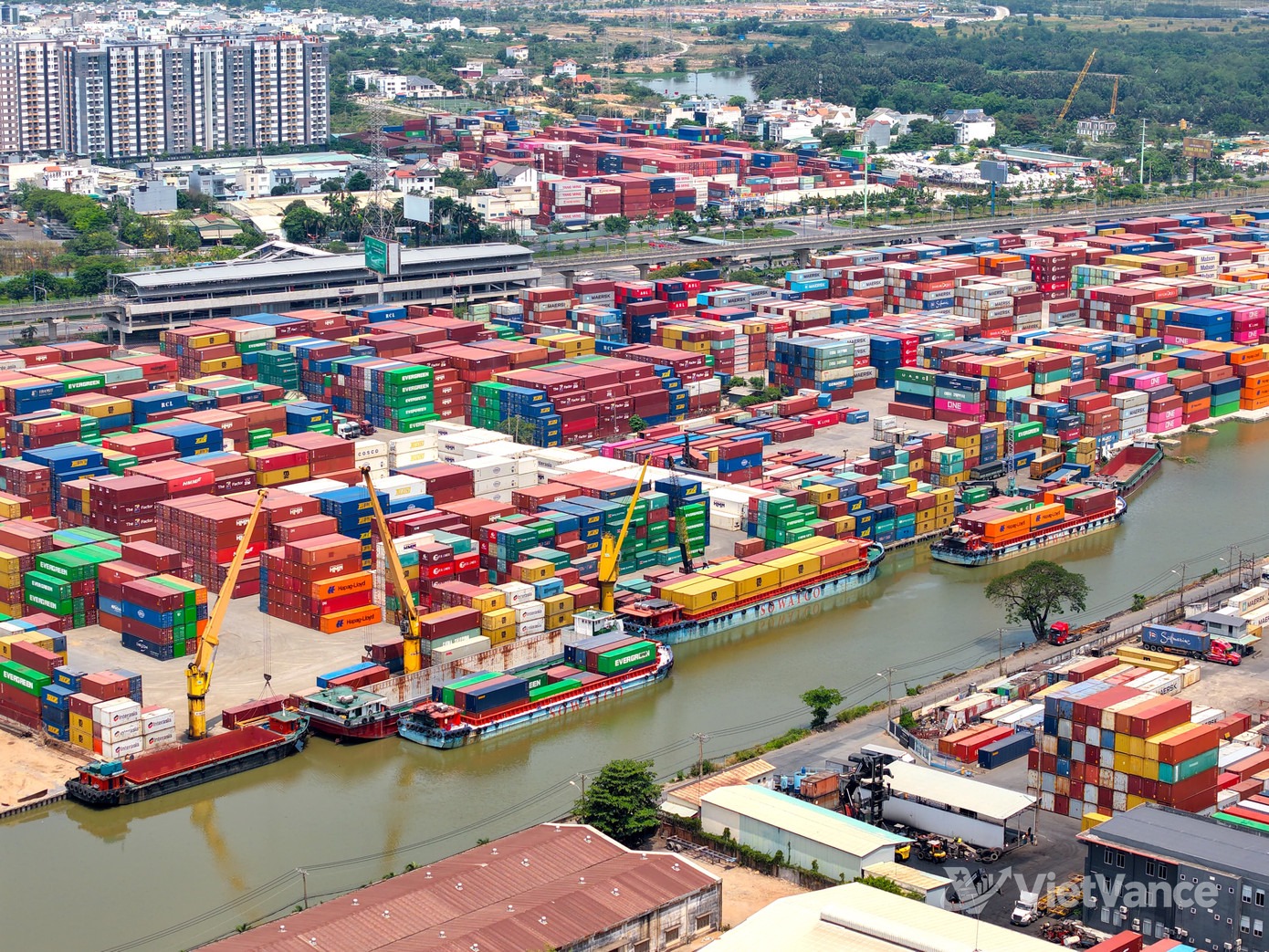
Ho Chi Minh City’s master plan divides the city into five development hubs.(VietVance)
The five satellite centers focus respectively on island ecotourism, coastal resorts, ecological urban development and high-tech agriculture, high-tech industry, and industrial services and university-town development. The ten development management zones are defined according to local characteristics and population density. Among them, the urban core covers approximately 17,000–17,500 hectares, the eastern innovation zone approximately 42,900–43,300 hectares, and the northern industrial and services zone approximately 160,000–160,400 hectares.
The coastal ecological zone covers approximately 71,900–72,300 hectares and is planned for ecotourism, the marine economy, port logistics and other functions. Ho Chi Minh City will hold a month-long exhibition of the plan and release the planning documents approved for publication, including explanatory materials, management regulations, maps and related electronic data.
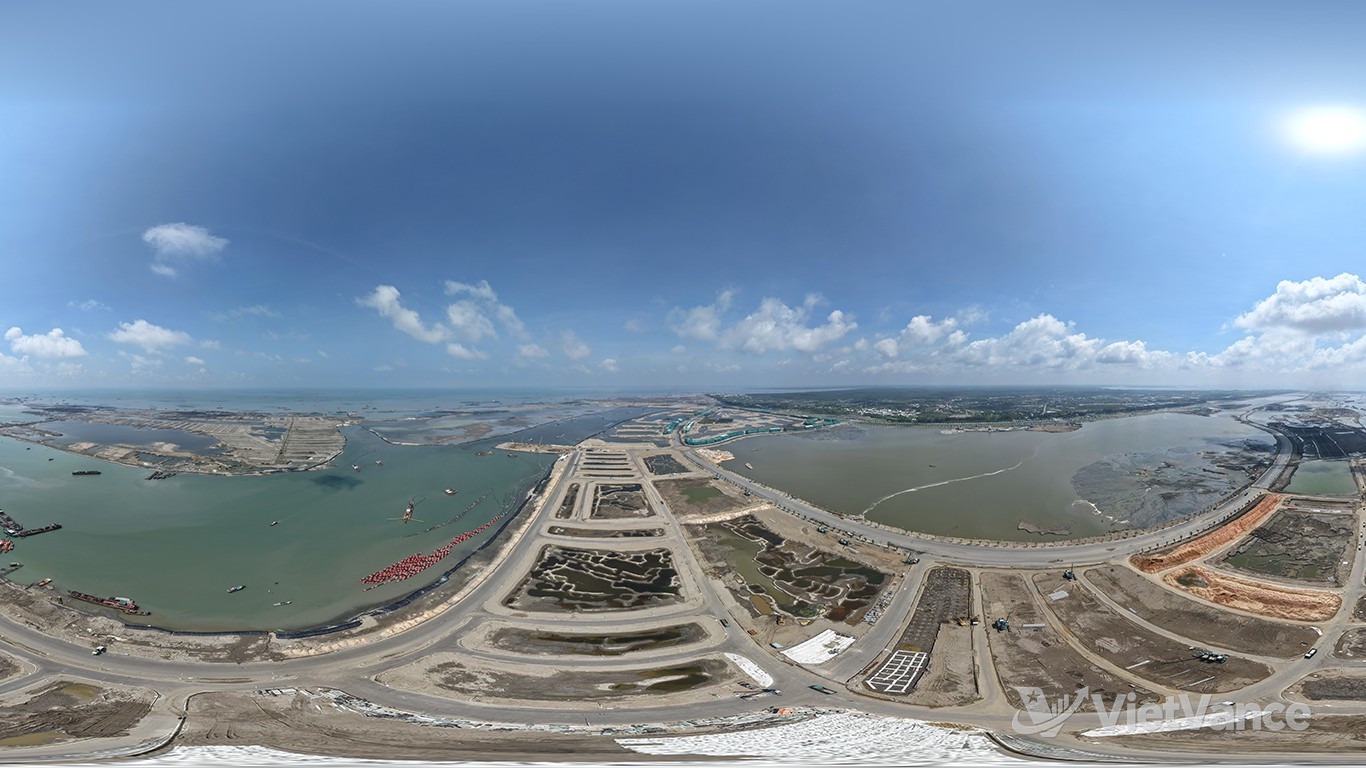
Ho Chi Minh City’s coastal ecological zone is planned for ecotourism and the marine economy.(VietVance)
Source: VietVance