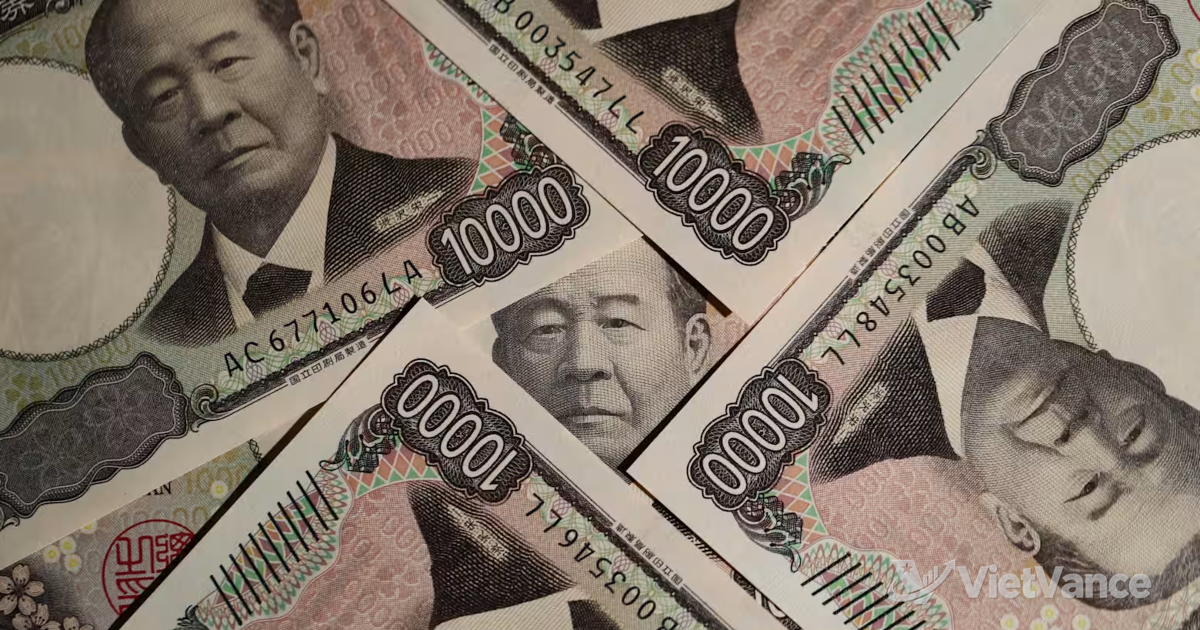
Japan Buys More Than ¥27 Trillion This Year, but the Yen Struggles to Strengthen
Japan’s Finance Ministry says authorities bought ¥15.39 trillion in three currency market interventions from July to September 2026. The yen has traded largely at ¥157–158 per US dollar for more than a month, while high energy prices, the US–Japan interest rate gap and capital outflows continue to weigh on it.

Japan’s Finance Ministry announced on November 9 that authorities had intervened in the foreign exchange market three times from July to September 2026, buying a total of ¥15.39 trillion, or about $97.1 billion, a record for a single round of intervention. The interventions took place on July 30, July 31 and August 3, in amounts of ¥7.97 trillion, ¥5.55 trillion and ¥1.87 trillion, respectively. Including the ¥11.7 trillion bought from April to May, Japan has purchased more than ¥27 trillion this year to support the yen.
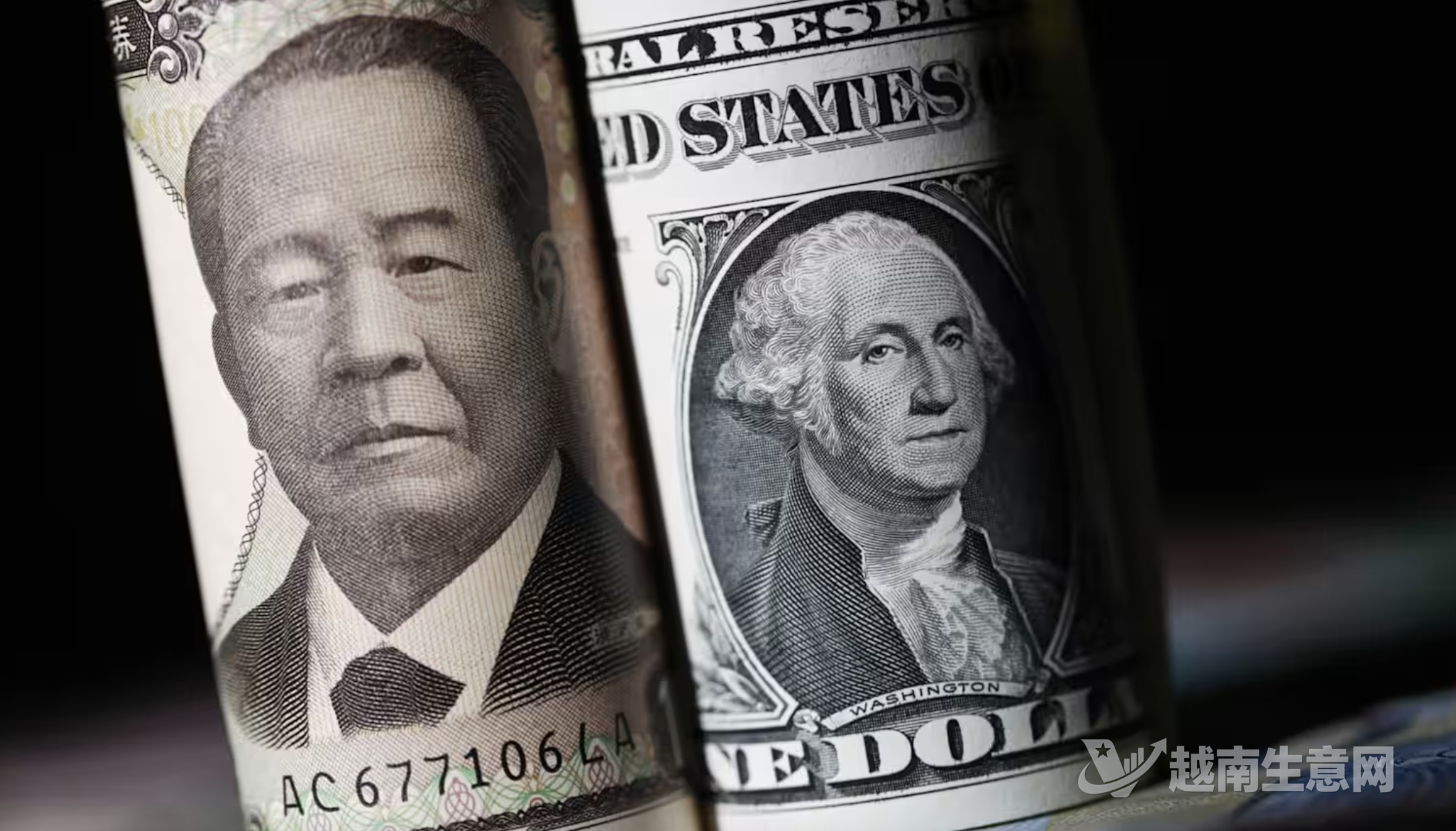
File photo related to the yen exchange rate.(VietVance)
In July, the yen fell to nearly ¥164 per US dollar, its lowest level in almost 40 years. After the intervention, it stabilized somewhat and has traded largely between ¥157 and ¥158 per US dollar for more than a month. In the early afternoon of November 10, Vietnam time, the exchange rate was above ¥158 per US dollar.
The yen remains under pressure partly because Japan relies on imported energy. High energy prices increase Japanese companies’ need to buy dollars to pay for imports. Matthew Ryan, head of market strategy at Ebury, said Japan’s exposure to energy risks, the interest rate gap between Japan and the United States, and concerns about its public finances all weigh against a stronger yen.
Differences in bond yields also affect capital flows. Japan’s 10-year government bond yield is currently about 2.6%, while the comparable US yield is near 5%. Higher yields abroad encourage some Japanese investors to move funds overseas; Japanese companies’ search for growth opportunities abroad also adds to capital outflow pressures.
Matthew Ryan expects the dollar-yen exchange rate to remain in a narrow range near ¥160 in the short term as long as energy prices stay high, while the prospect of further intervention limits the yen’s potential depreciation. He believes the yen could recover to around ¥153 per US dollar by 2027 if the interest rate gap between Japan and the United States narrows.
Source: VietVance