Nvidia Rejects Jensen Huang’s Return as AI Financing Risks Draw Scrutiny
Nvidia’s board has reportedly rejected Jensen Huang’s return as CEO. Financing arrangements and guarantees he championed, along with the company’s chip business in Asia, are drawing scrutiny. Nvidia forecasts about $130 billion in revenue next quarter.

Nvidia’s board has rejected a proposal to reinstate former CEO Jensen Huang and will seek a permanent successor, AP reported on November 18. The Wall Street Journal said Huang stated on November 17 that he was willing to return if the board asked and apologized for “serious mistakes.” CNN reported that about 200,000 people had signed an open letter supporting his return.
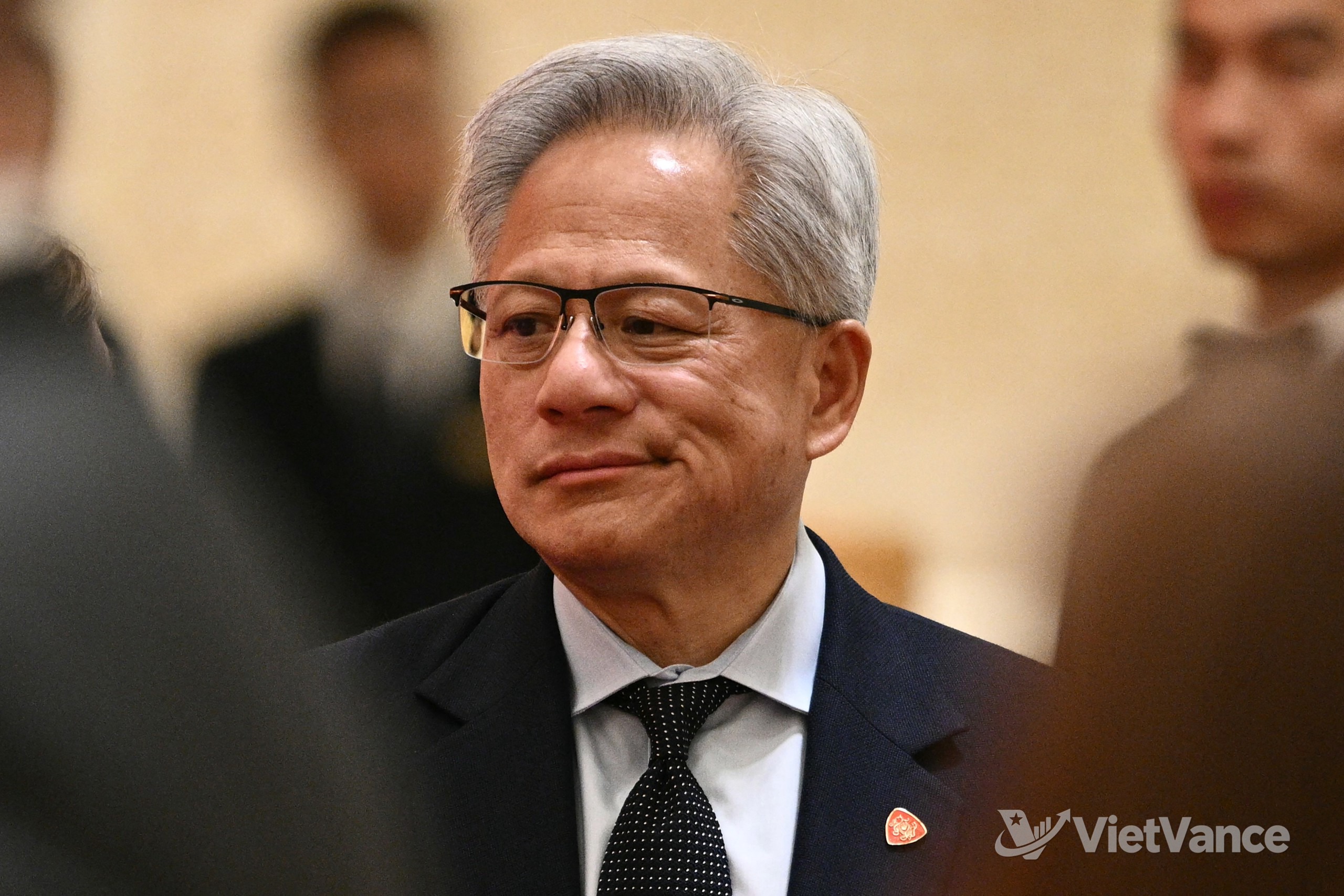
Jensen Huang attends a state banquet reception for US President Donald Trump in Beijing on May 14.(VietVance)
Financing arrangements promoted during Huang’s tenure have also drawn attention. The Financial Times analyzed how Nvidia has helped AI companies raise funds to build infrastructure through investments, guarantees and commitments to buy computing services, creating demand for its chips. Filings with the US Securities and Exchange Commission show that Nvidia committed to provide up to $105 billion in conditional credit guarantees for a SoftBank-backed SB Energy project to build OpenAI data centers in Ohio. Nvidia would have to honor the guarantees only under specified circumstances, such as a tenant failing to pay.
UBS analyst Tim Arcuri estimates that Huang’s departure could cause about $50 billion to leave such financing arrangements. Federal Reserve Governor Michael Barr said on November 16 that potential financial obligations tied to AI infrastructure construction had exceeded $3 trillion, including leases, long-term service purchase contracts and guarantees that have not yet come due. He warned that opaque commitments could intensify market volatility if investors lose confidence.
Nvidia’s chip business in Asia also faces pressure from export controls. Reuters reported on November 16 that the United States was further restricting Chinese customers’ remote access to advanced AI chips through data centers in third countries. Tim Arcuri said declining sales in Singapore and other Southeast Asian markets could reduce Nvidia’s long-term revenue by as much as 10%.
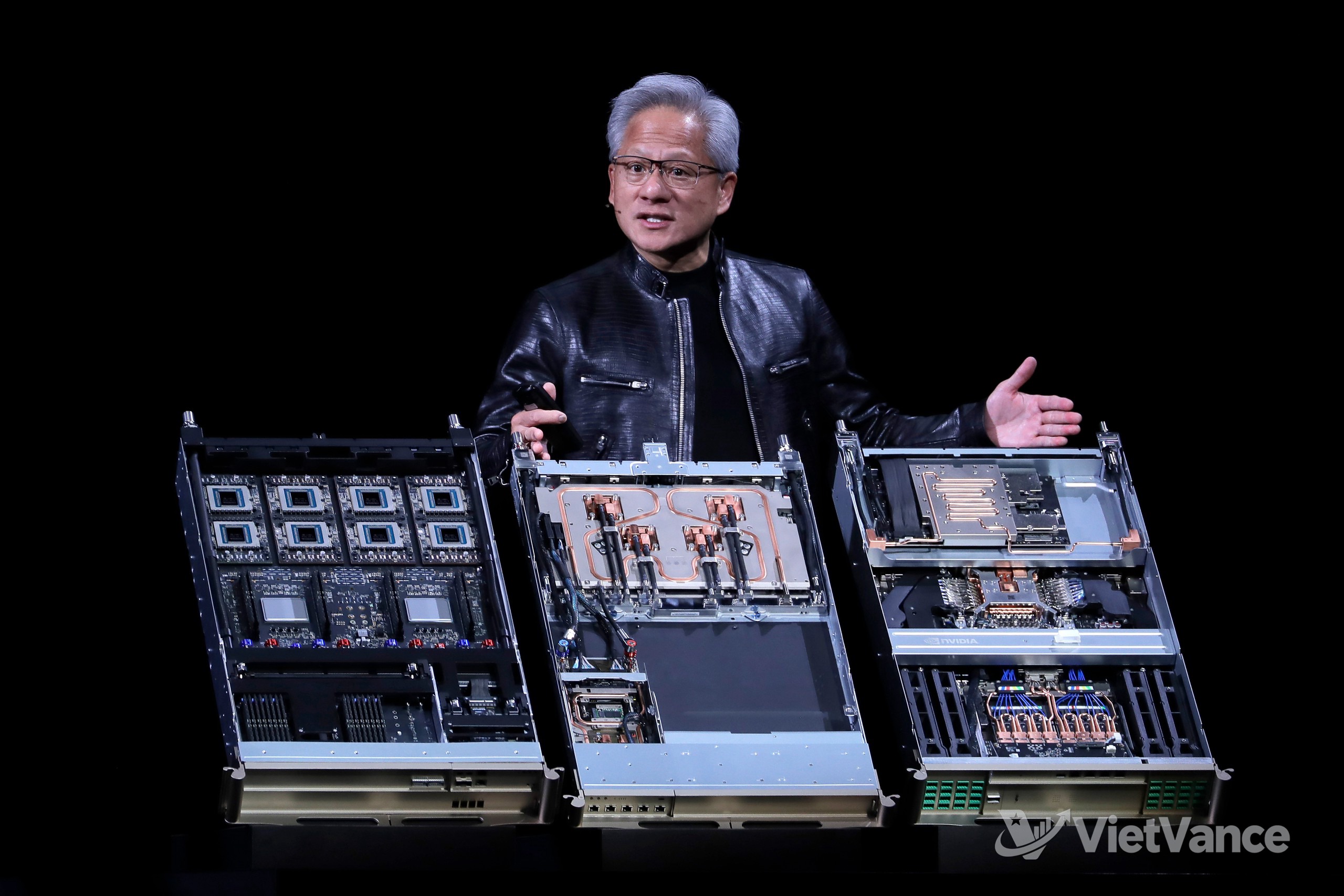
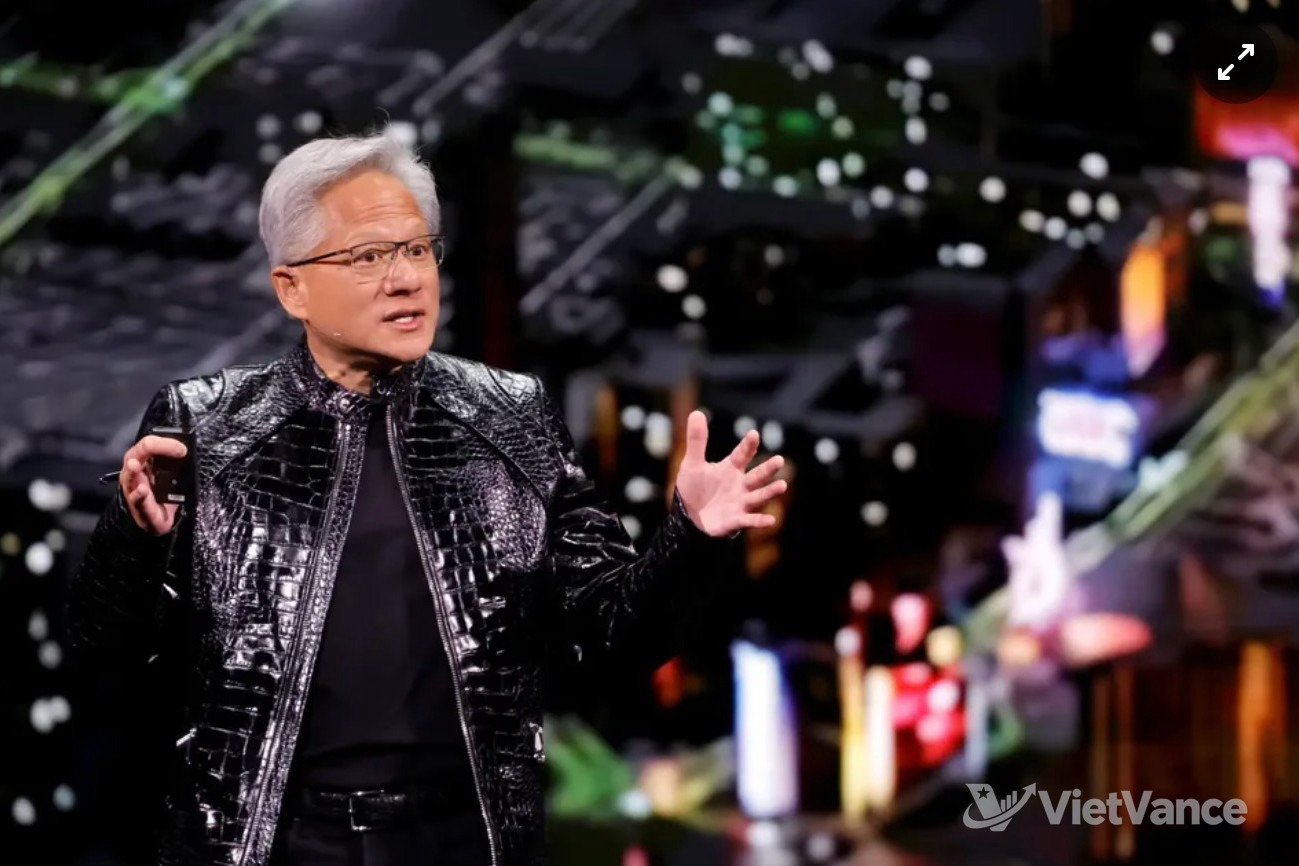
Jensen Huang introduces AI products at an Nvidia GTC event in Taipei on June 1.(VietVance)
In a report released on November 17, Nvidia forecast revenue of about $130 billion for the next quarter. The forecast excludes revenue from its data center computing chip business in China. Chief Financial Officer and acting CEO Colette Kress said the company would continue with its product plans and serve customers and partners.

Nvidia Chief Financial Officer and acting CEO Colette Kress.(VietVance)
Source: VietVance