Quang Ninh plans to develop 62 industrial clusters by 2030
Quang Ninh plans to develop 62 industrial clusters covering about 3,237.15 hectares by 2030. It has established 23 clusters and must establish 39 more while improving infrastructure at existing sites. A new directive calls for faster land handover, infrastructure development and relocation of production facilities.

Quang Ninh’s local government has issued Directive No. 13, calling for stronger management and development of industrial clusters and the relocation of industrial and handicraft production facilities into them. The locality has established 23 industrial clusters covering a total of 1,336.77 hectares. Under a planning adjustment approved on June 18, 2026, it aims to develop 62 clusters covering about 3,237.15 hectares by 2030. This means establishing 39 more clusters and completing infrastructure at those already established.
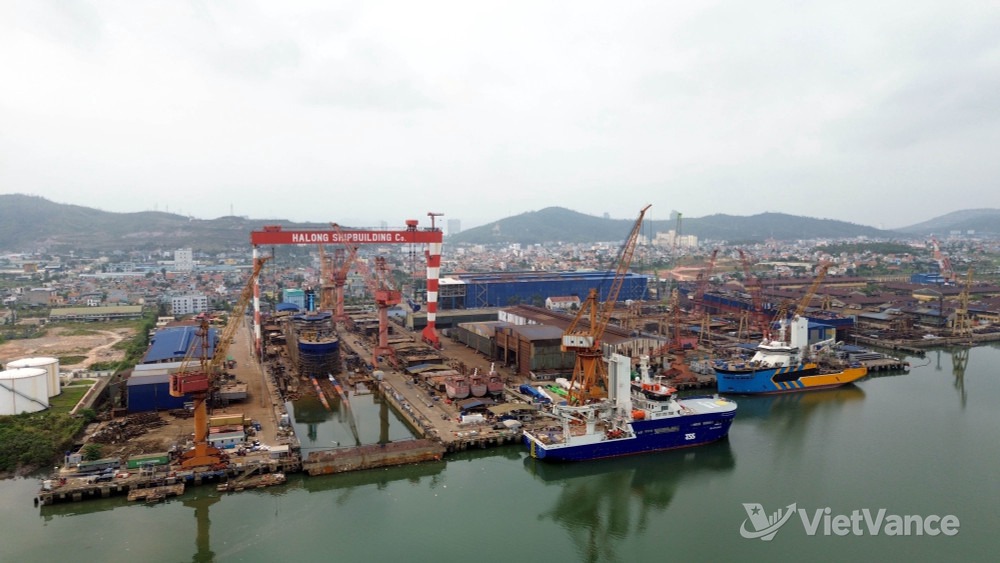
Quang Ninh plans to develop 62 industrial clusters by 2030.(VietVance)
Some projects are progressing slowly. Land handover, infrastructure within the clusters and external transport links have not advanced in step, leaving limited land available for incoming projects. The directive requires industrial cluster development to follow planning and take account of actual demand and the capacity to raise funds. Investment attraction will prioritize small and medium-sized projects, supporting industries, and projects that use high or clean technology and have value-chain links with domestic businesses.
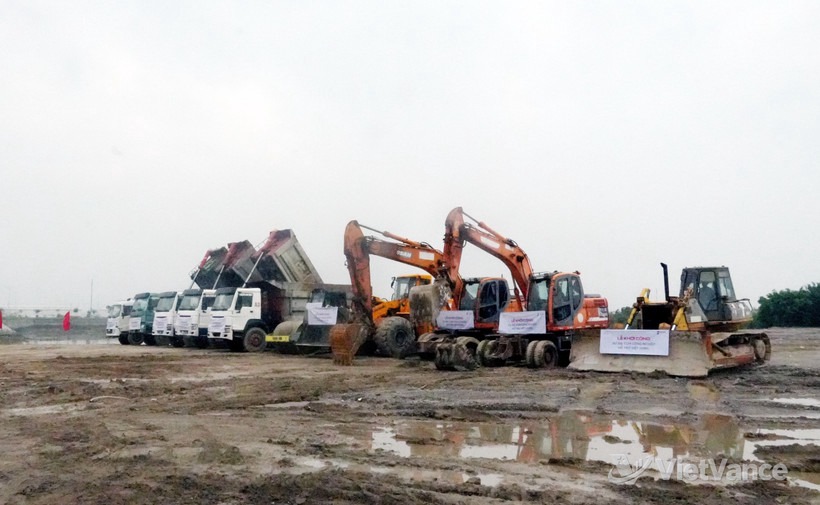
Construction begins on an industrial cluster project serving supporting industries in Quang Ninh.(VietVance)
The Department of Industry and Trade will track construction progress at each industrial cluster, guide implementation of support policies for relocating production facilities and publish information on available land. Local authorities are responsible for compensation, resettlement and land clearance for projects under development, and for handing over land on schedule. For operating clusters, they must check compliance with planning, construction and environmental rules and report by December 20 each year.
The directive requires infrastructure investors to build shared facilities in a coordinated manner, particularly centralized wastewater collection and treatment systems and firefighting facilities. Industrial clusters may accept secondary projects only after they meet legal requirements and their technical infrastructure is complete. The relocation of production facilities must also match clusters’ actual capacity to accommodate them, while taking into account equipment upgrades, environmental sanitation and employment stability.
Source: VietVance