Cyberattacks on Connected Refrigeration Systems Threaten Business Cold Chains
Connected commercial refrigerators at supermarkets across Europe were disrupted, damaging goods and interrupting business. Public LED screens in Malaysia were also hacked. An expert warns that businesses using remotely managed devices need to address security vulnerabilities and prepare backup operating procedures.

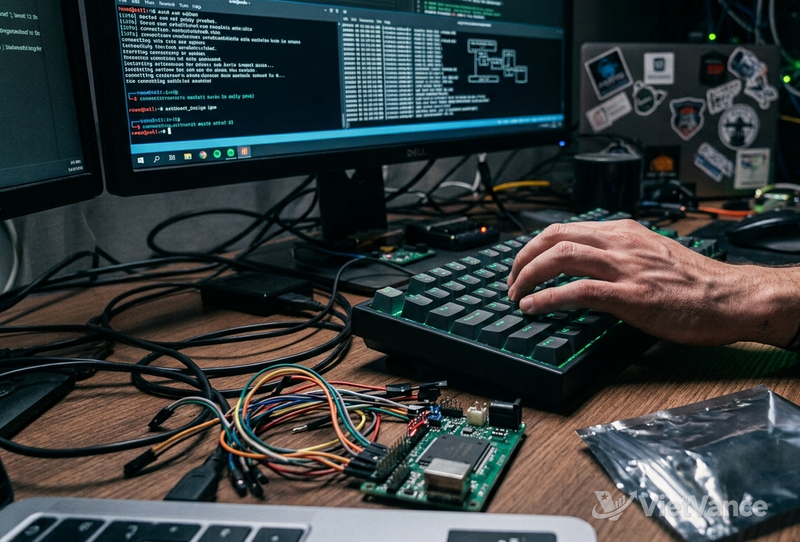
In October 2026, connected commercial refrigerators at supermarkets in several parts of Europe were tampered with, causing temperatures to rise to 50°C. Refrigerated goods were damaged on a large scale, business operations were interrupted, and fires broke out at some stores. That same month, hackers took control of public LED screens in Kluang, Malaysia, displaying pornographic content at multiple locations. These incidents show how cyberattacks can directly affect physical business operations through everyday connected devices.
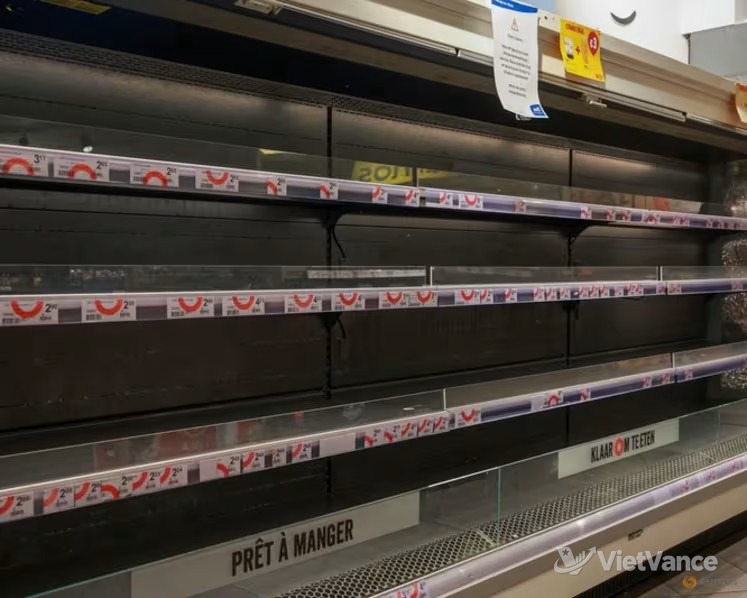
Refrigerated shelves stood empty at a store in Brussels, Belgium, after an information technology failure on the night of November 2, 2026, affected its cooling and freezing systems.(VietVance)
On November 9, France accused Iran of involvement in a series of October attacks on refrigeration and freezing systems at French supermarkets. Iran denied the accusation. Refrigeration systems at three regional blood banks in France were also attacked in early November. If cold chain equipment cannot maintain appropriate temperatures, the storage of food and medical supplies may be affected.
Benjamin Ang, a senior researcher at an institute affiliated with Nanyang Technological University, says some connected devices are designed with greater emphasis on cost and operating efficiency than on security. Some no longer receive software updates, while the organizations using them lack specialists to manage them. Although centralized monitoring can reduce operating costs for chain businesses, it may also allow the same type of vulnerability to affect multiple locations.
Businesses can reduce risks by updating software, changing default passwords, controlling access and checking older devices that are no longer supported. Benjamin Ang also recommends establishing backup operating procedures and avoiding sole reliance on automated alerts. For example, supermarket staff can check refrigerator temperatures directly during business hours to detect problems early and limit losses of goods.
Source: VietVance