Swiss Re Warns of Growing Global Economic Dependence on AI Investment
Swiss Re warned on November 17 that the global economy is becoming increasingly dependent on AI investment. Despite an improved growth outlook, it may be more vulnerable to shocks. The group said market expectations for AI may exceed its actual economic benefits, while expanding data centers are creating interconnected risks for businesses.

Swiss Re warned on November 17 that the global economy is becoming increasingly dependent on artificial intelligence investment, potentially making it more vulnerable to shocks. In its annual report released that day, the group forecast global economic growth of 2.8% in 2027, up from its estimate of 2.6% for 2026. Its chief economist, Jérôme Jean Haegeli, cautioned that faster growth does not necessarily mean the economy is better able to withstand risks.
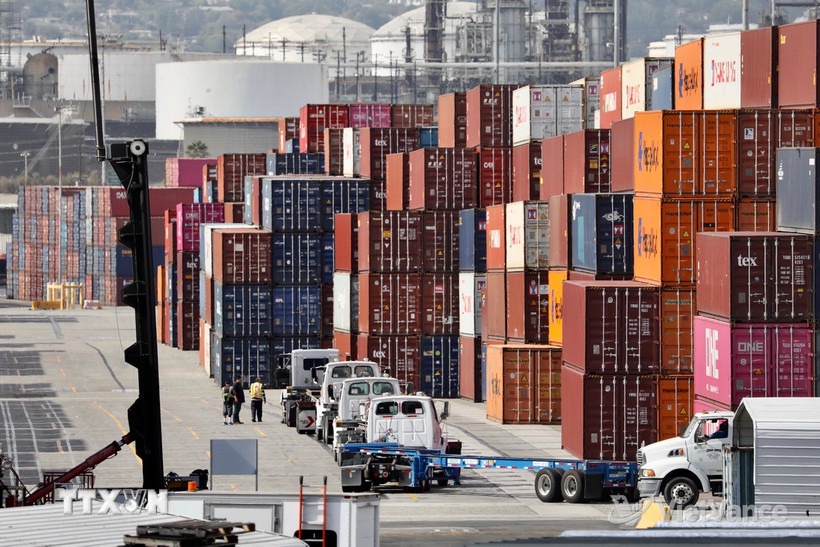
Illustrative image accompanying reports on artificial intelligence investment.(VietVance)
Jérôme Jean Haegeli said artificial intelligence has begun to deliver productivity gains in several sectors, including insurance. However, market expectations for the technology may exceed its actual economic benefits, leaving AI-related stocks at risk of a correction.
Swiss Re expects the investment boom to extend from data centers into the energy sector. The group estimates that investment in data centers and renewable energy could generate about $200 billion in insurance premiums by 2030. At the same time, data center expansion is making many businesses jointly dependent on cloud service providers, electricity infrastructure, energy supplies and supply chains, complicating risk management.
Research by Swiss Re and the London School of Economics and Political Science found that risk interconnections among large companies have increased by 24% since 2019, driven by factors including climate change, artificial intelligence, new technologies, social instability and health risks. The group warned that a disruption in one area could affect multiple businesses, industries and regions, increasing demand for protection against systemic risks.
Source: VietVance