Tô Lâm Arrives in Yunnan to Continue China Visit
On November 19, 2026, Vietnam’s General Secretary and State President Tô Lâm arrived in China’s Yunnan province. During his visit, he is scheduled to meet provincial leaders and local Vietnamese residents and attend a forum on aligning development strategies.

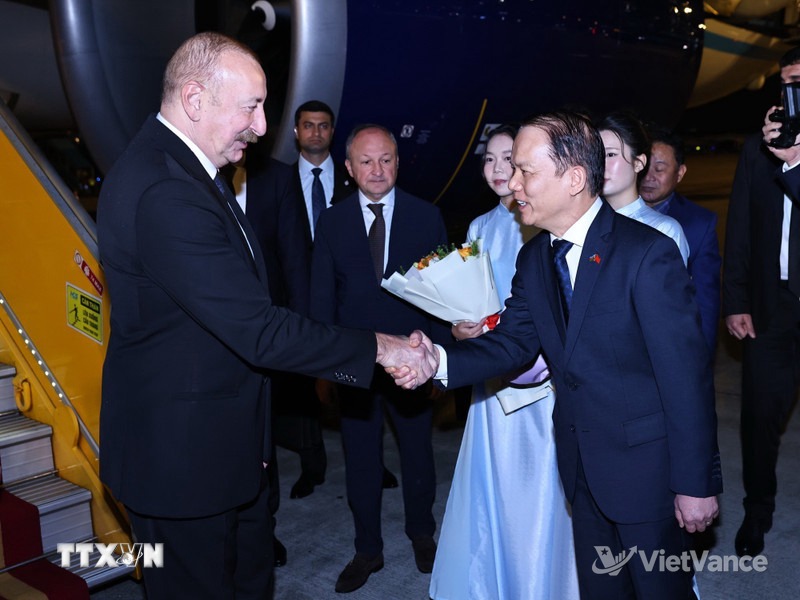
On the afternoon of November 19, 2026, Vietnam’s General Secretary and State President Tô Lâm arrived in China’s Yunnan province with his wife and a high-level Vietnamese delegation to continue his visit to China. The trip is part of a schedule that includes the 33rd APEC Leaders’ Week and bilateral engagements. Yunnan officials, staff from Vietnam’s Consulate General in Kunming and local Vietnamese residents welcomed the delegation at Kunming Changshui International Airport.
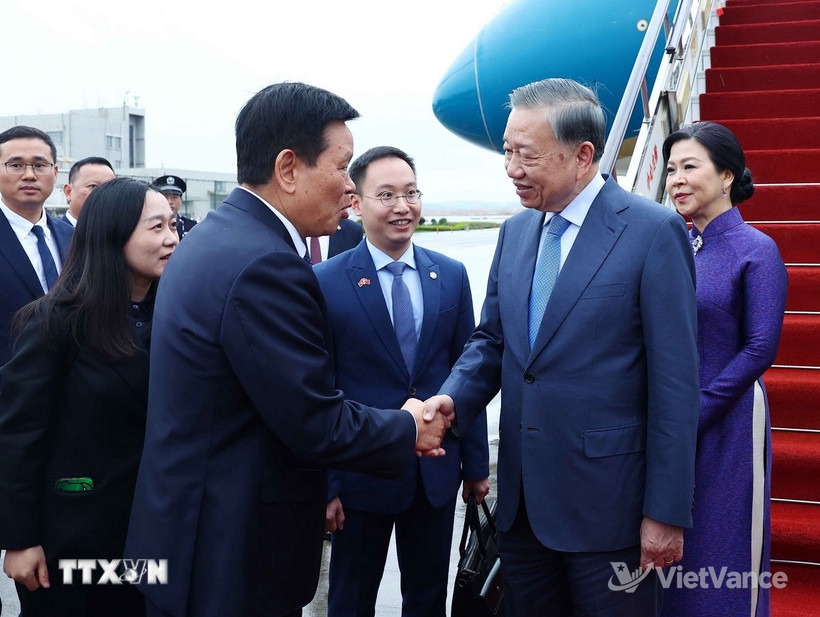
Yunnan officials welcome Tô Lâm and his wife at Kunming Changshui International Airport.(VietVance)
At the airport, young people from Yunnan’s ethnic minorities, dressed in traditional attire, welcomed the delegation with traditional songs and dances. Tô Lâm and his delegation are scheduled to visit the historic site of President Hồ Chí Minh’s former residence, meet the Secretary of the Yunnan Provincial Party Committee and meet local Vietnamese residents.
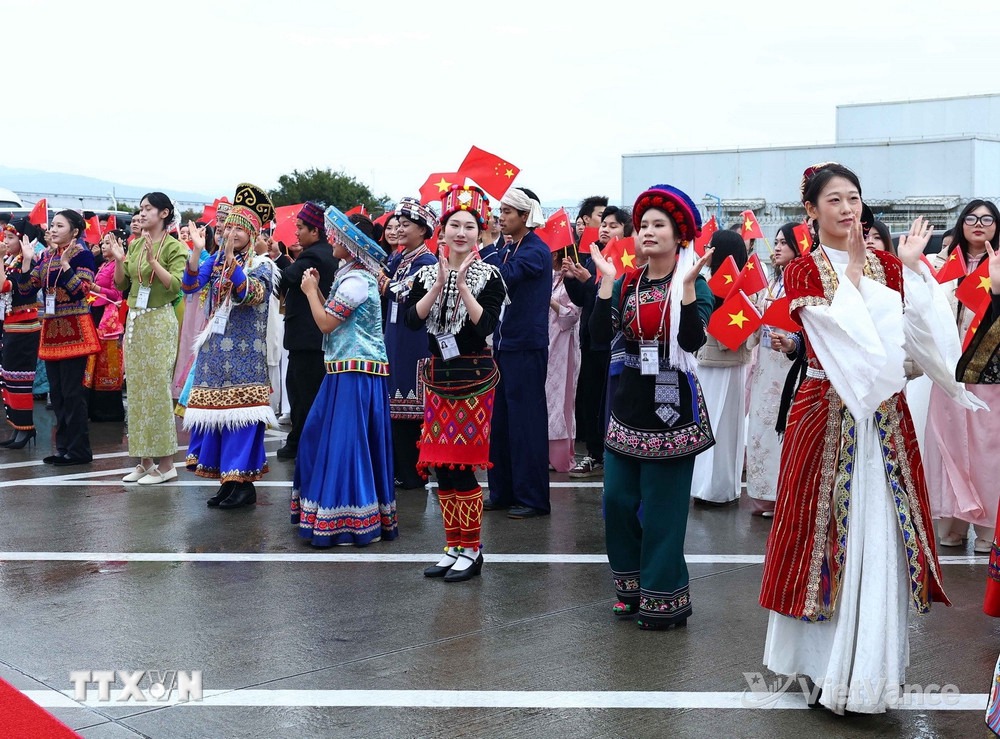
Young people from Yunnan’s ethnic groups welcome Tô Lâm and his wife at Kunming Changshui International Airport.(VietVance)
According to the itinerary, Tô Lâm is also scheduled to attend a study program for Vietnamese youth in Yunnan, a forum on aligning the development strategies of Vietnam and southwestern China, and a commemorative tree-planting event at the “International Friendship Forest” in a wetland park. The source describes all these activities as plans for the visit.
Vietnam and Yunnan province share a border. The two sides maintain regular exchanges and are expanding cooperation into more areas. During the Yunnan visit, they plan to promote transport infrastructure links and modern logistics systems, work toward the early introduction of a smart border crossing model, and strengthen exchanges among border communities and cooperation on border management.
Source: VietVance