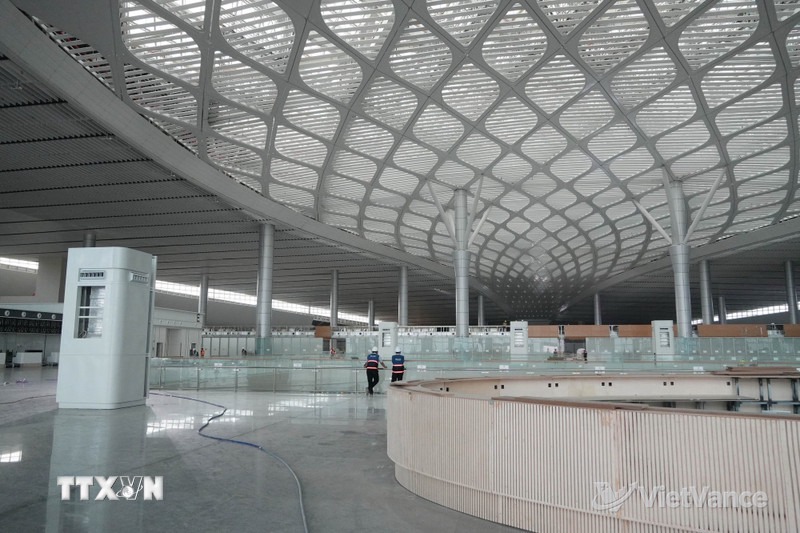
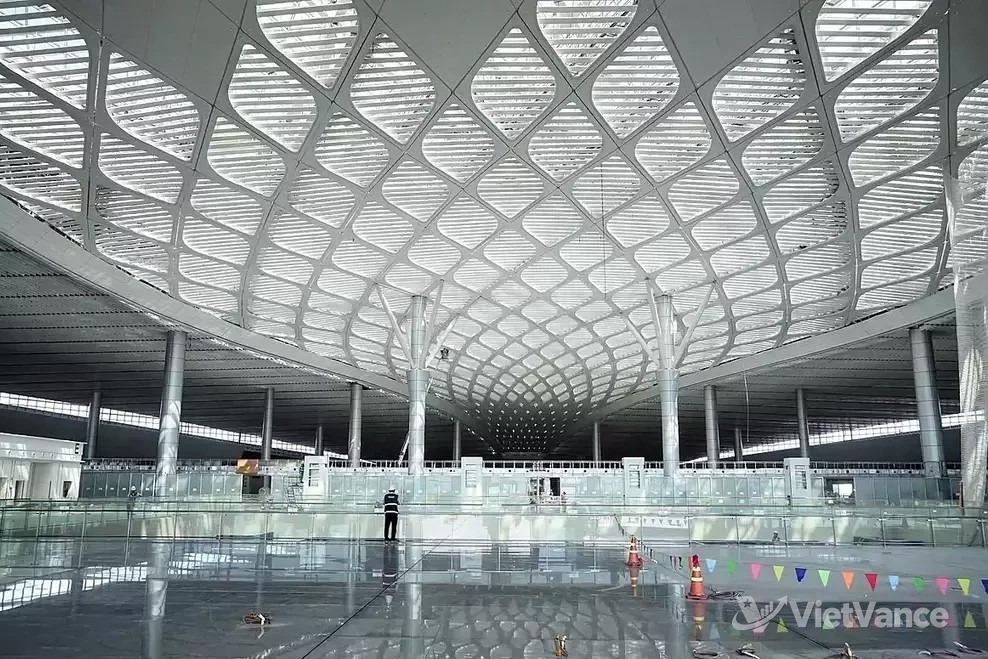
Ho Chi Minh City Plans Traffic Management for Long Thanh Airport
Ho Chi Minh City traffic police said on November 19 that they have prepared traffic management plans for Long Thanh International Airport, focusing on the expressway serving the airport and National Highways 1 and 51. The city is also preparing for heavier passenger and freight traffic through the end of 2026 and ahead of Lunar New Year 2027.

At a November 19 press conference on the city’s socioeconomic situation, the Ho Chi Minh City Police Department’s Traffic Police Division said it had drawn up plans for traffic safety and traffic management during the operation of Long Thanh International Airport. Priority routes include the Ho Chi Minh City–Long Thanh–Dau Giay Expressway, National Highways 1 and 51, and interregional connecting roads. The authorities will identify key intersections, positions for traffic officers, main diversion routes and alternatives, and coordinate responses to congestion and traffic accidents that may occur as vehicle volumes rise.
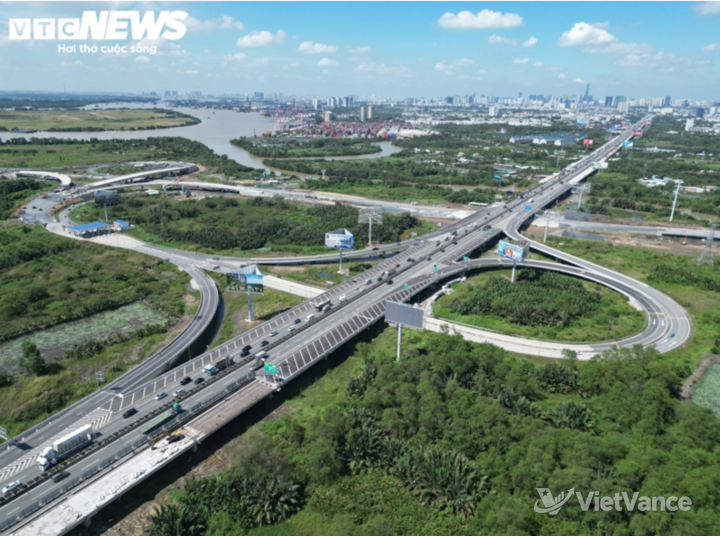
Ho Chi Minh City is studying traffic management plans for interregional roads connecting to Long Thanh International Airport.(VietVance)
The airport traffic plan is also part of Ho Chi Minh City’s measures to keep traffic moving at year’s end. The Traffic Police Division said that in the final months of 2026, increases in travel, freight transport, and production and business activity would add pressure to roads. Construction on several major transport projects has also narrowed the space available for traffic, particularly during peak hours. A review found nearly 30 locations across the city with complex traffic conditions and a risk of congestion, including areas around airports, eastern gateways to the city, port areas and several main roads.
The Traffic Police Division expects traffic pressure to continue rising from November 19 until Lunar New Year 2027 at city gateways, airports, bus stations, and roads linking industrial parks and freight ports. To address these risks, traffic police have developed and begun implementing nearly 30 plans to prevent and resolve congestion. They will deploy more officers at key intersections, construction sections, and passenger and freight transport hubs.
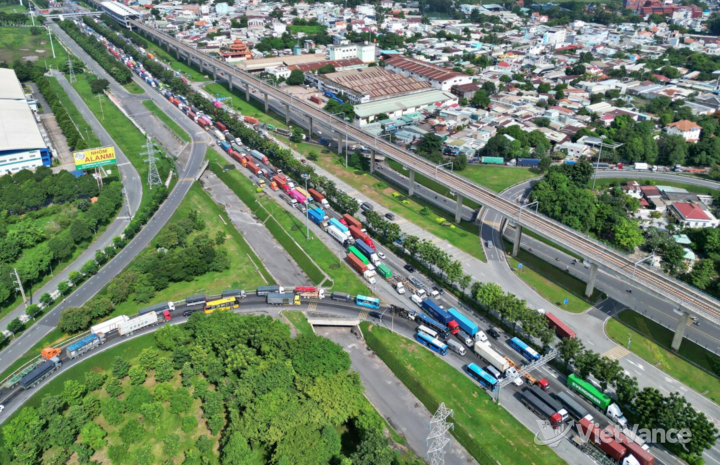
Ho Chi Minh City is preparing to manage traffic on National Highways 1 and 51 and interregional connecting roads.(VietVance)
Traffic police will also use surveillance cameras, digital maps and the traffic control system to monitor road conditions. They will coordinate with construction authorities and other agencies on diversions farther from congested areas and changes to traffic arrangements around construction sites, while providing the public with information on restricted roads and alternative routes. These measures also cover traffic management during metro construction and work on other major roads.
Source: VietVance