Trump Calls for Cautious Management of Advanced AI Risks
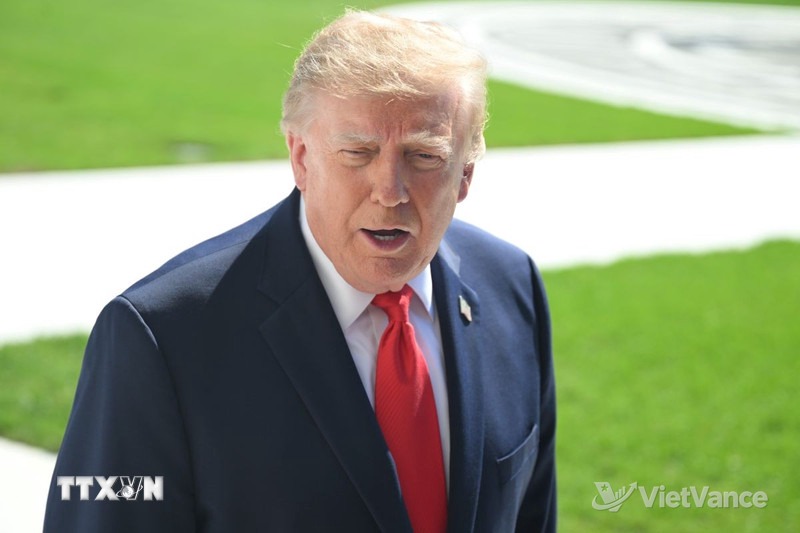
On November 19, US President Donald Trump said at an APEC leaders’ plenary session in Shenzhen, China, that the potential risks of advanced AI require careful management. He opposed global regulations and controls that could hinder its development, and discussed the US commitment to the Asia-Pacific and a proposed trilateral summit that day.

On November 19, US President Donald Trump said at a plenary session of Asia-Pacific Economic Cooperation (APEC) leaders in Shenzhen, China, that the potential risks of advanced artificial intelligence should be managed cautiously while avoiding regulations that hinder the technology’s development. He called so-called “superintelligence” the biggest technological transformation since the Industrial Revolution and said it had the potential to drive economic growth.
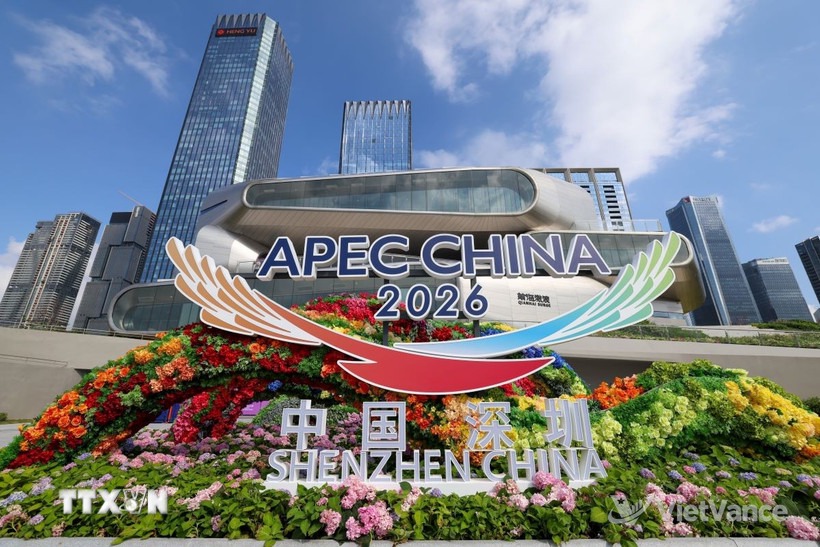
APEC-themed decorations in Shenzhen, Guangdong province, China.(VietVance)
Trump said “superintelligence” brings enormous benefits but also has negative effects that need to be controlled, though regulation should be approached cautiously. He stressed that the United States opposes any form of global governance or controls that could inhibit the development of “superintelligence.”
Trump also reaffirmed the US commitment to stability and prosperity in the Asia-Pacific region and said he looked forward to a proposed trilateral summit with Chinese President Xi Jinping and Russian President Vladimir Putin on November 19.
In September 2026, Trump announced that the US government would replace “artificial intelligence” with “superintelligence” in official documents, saying the former term did not fully reflect the technology’s capabilities. He subsequently signed an executive order requiring federal government agencies to use the new term. On October 4, he announced the creation of the Super Intelligence Force, a specialized federal agency tasked with coordinating government activities in artificial intelligence and connecting the federal government with technology companies, social organizations and critical infrastructure providers.
Source: VietVance