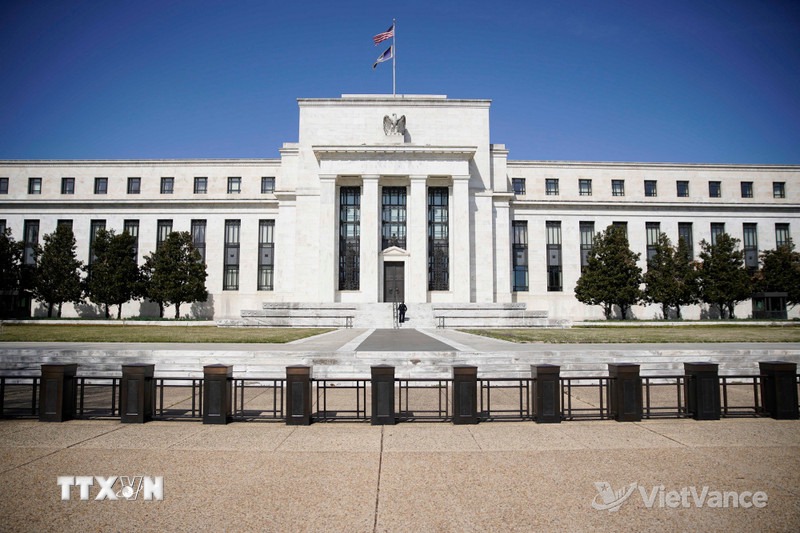
US Economic Policy Unlikely to Shift After Midterm Elections
Democrats won significant victories in the US midterm elections, but economists say changes to trade and other policies may leave persistent pressures from living costs, budget deficits and the economy’s reliance on artificial intelligence investment. The economy grew rapidly in the third quarter, while high prices continued to weigh on household purchasing power.

Democrats won more seats than expected in US midterm races for Congress, governorships and other offices, potentially prompting changes to trade, spending priorities and artificial intelligence policy. However, Mark Zandi, chief economist at Moody’s Analytics, said policies on tariffs, immigration and other issues are largely implemented through executive orders, making the election result unlikely to change the overall direction of economic policy. He remains concerned about inflation, the labor market and geopolitical risks.
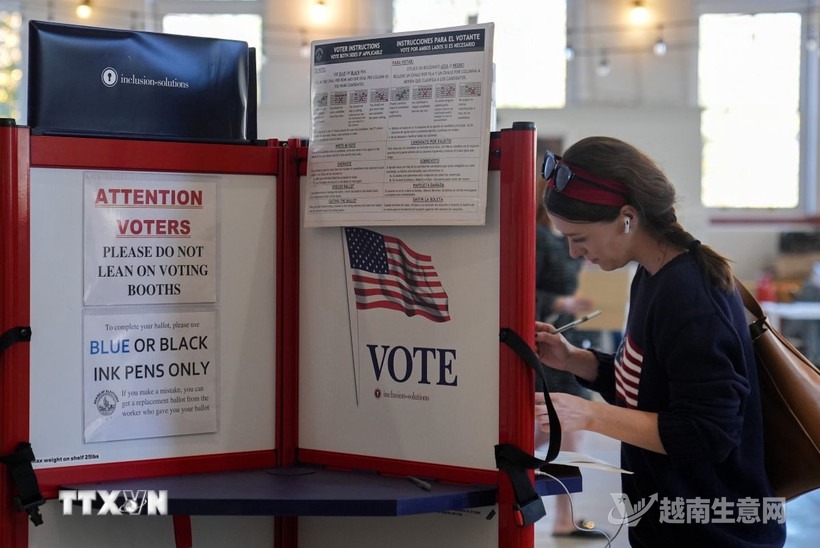
Voters cast ballots at a midterm election polling station in Washington, DC.(VietVance)
US gross domestic product grew at an annualized rate of 3.4% in the third quarter, consumer spending rose 3.8%, and the unemployment rate was 4.2%. But the consumer price index rose 3.7% year on year in September, up from 2.3% in April 2025. According to the US Bureau of Labor Statistics, wages fell 0.7% year on year in September after adjusting for inflation. Cost-of-living pressures contrasted with relatively strong overall growth figures.
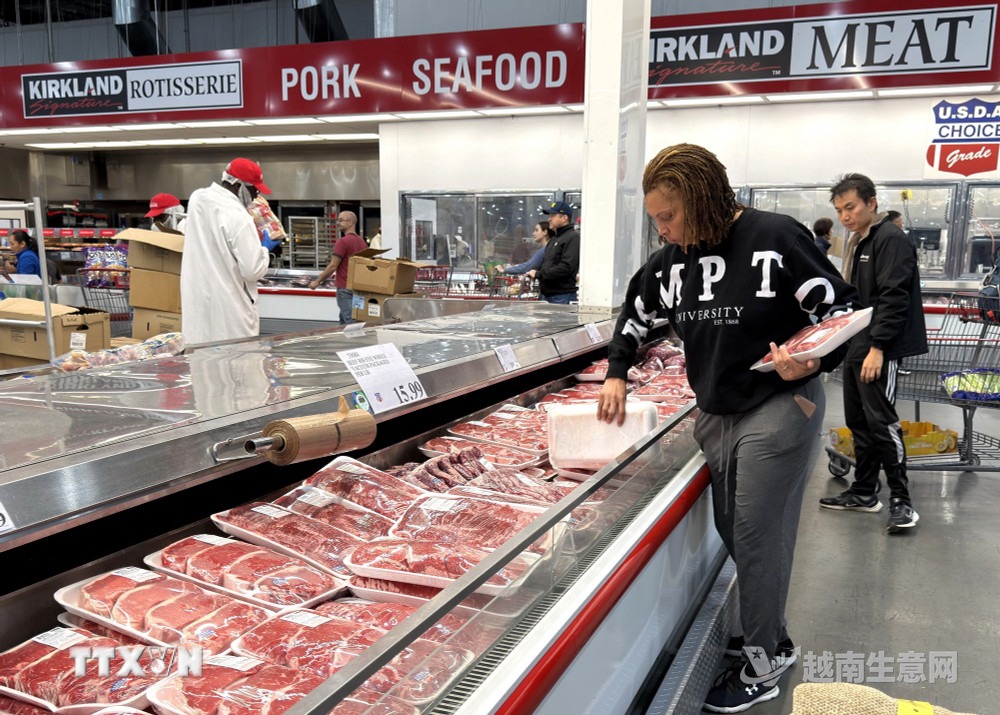
A consumer selects beef at a supermarket in the US state of Maryland.(VietVance)
Zandi said the construction of artificial intelligence infrastructure by major technology companies supports economic growth but also poses risks: growth depends heavily on AI, while related investment is influenced by the stock market and share valuations. CNBC polls showed that local opposition to data centers was also an election issue, though it drew less attention than the cost of living and other concerns.
Gary Cohn, a former director of the US National Economic Council, said the two parties still have room to compromise on tariffs. Morgan Stanley analysts expect Democrats may seek to restore some spending on food assistance and Medicaid, but reversing other policies will be harder. US national debt currently stands at $40.5 trillion, with net interest costs reaching $1.05 trillion in fiscal 2026; the budget deficit for that fiscal year was just under $2 trillion, or about 6.1% of gross domestic product.

Cargo terminals at the Port of Los Angeles in California, US.(VietVance)
Morgan Stanley expects the budget deficit to persist. Joseph Brusuelas, chief economist at RSM, expects the US economy to keep expanding at a rate close to 2.5%. He estimates the probability of a recession over the next 12 months at 15%, a judgment unchanged by the election result.
Source: VietVance