US proposes tariffs of up to 35% on Vietnamese goods
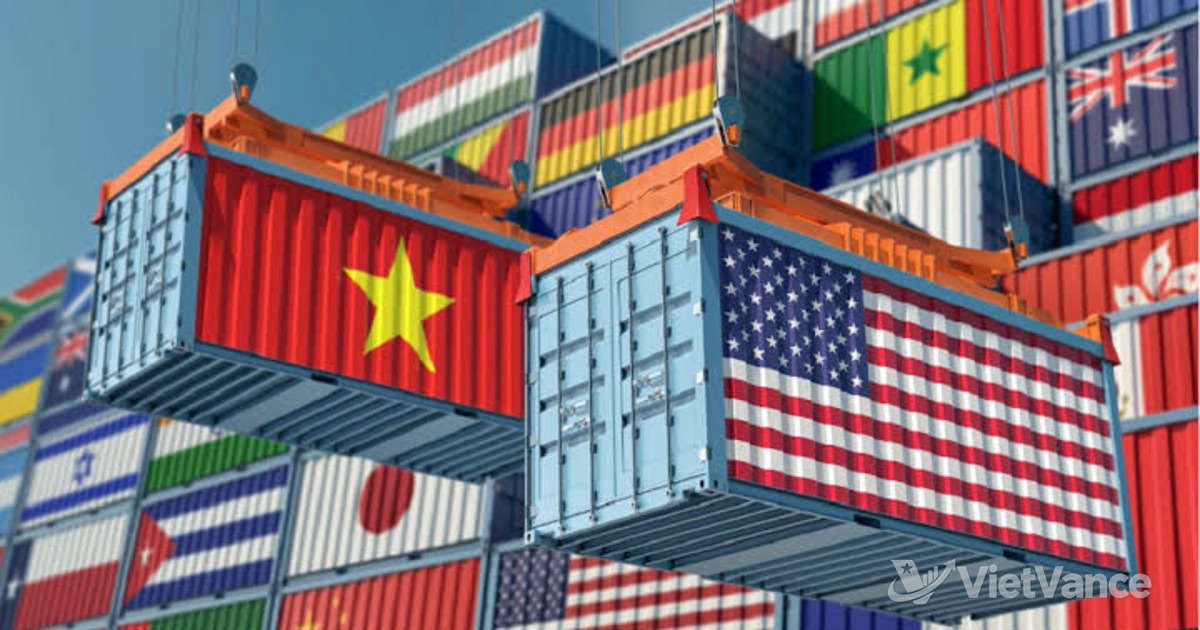
The Office of the United States Trade Representative has proposed tariffs of 15% to 35% on goods from Vietnam and 13 other trading partners. Vietnam’s Ministry of Industry and Trade says the proposed rate of up to 35% on Vietnamese goods has not taken effect and could fall to 20% if the two countries reach a trade agreement. A final US decision could come as early as February 2027.

On November 25, the US government proposed additional import tariffs of 15% to 35% on goods from 14 trading partners, including Vietnam. The Office of the United States Trade Representative has been investigating industrial overcapacity in 16 economies since March this year. The proposal covers Vietnam, China, India, Japan, South Korea, the European Union and others. Goods from Mexico and Norway have not been proposed for additional tariffs for now.
Vietnamese goods face a proposed rate of up to 35%. Vietnam’s Ministry of Industry and Trade said on the evening of November 25 that this remains a proposal by the Office of the United States Trade Representative and has neither taken effect nor been formally implemented. The rate could fall to 20% if Vietnam and the US reach a reciprocal, fair and balanced trade agreement. The US will also seek comments and hold a public hearing before deciding the rate, how it will apply alongside existing tariffs, and the list of exemptions. A final decision could be announced as early as February 2027.
US data released the same day showed that the personal consumption expenditures price index rose 3.8% in October from a year earlier, up from 3.6% in September. With inflation still above the Federal Reserve’s 2% target, the new tariffs could further raise costs for consumers. Yale University’s Budget Lab estimated earlier this month that import tariffs add $900 a year to US household expenses.
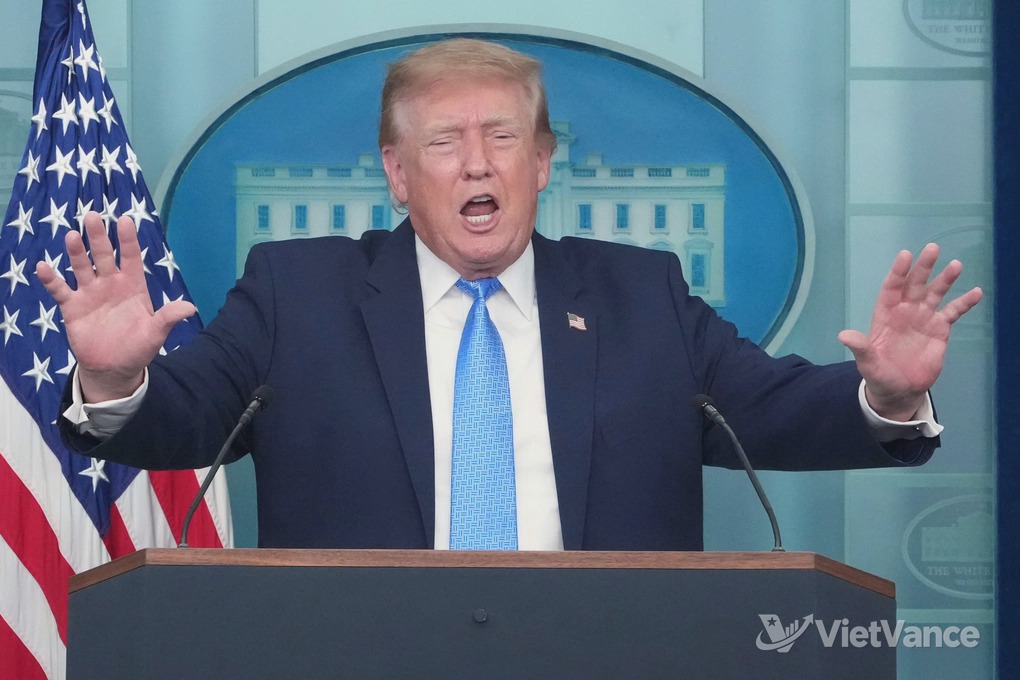
US President Donald Trump speaks at the White House on November 9, 2026.(VietVance)
Analysts say the tariff proposal also reflects Trump’s longstanding reliance on this policy tool. With Democrats set to take control of Congress, tariffs have become one of the economic policy tools the president can use without congressional approval. US officials and people familiar with Trump’s views say he hopes to use tariffs to secure concessions from trading partners, encourage companies to build factories in the US, and increase government revenue.
Source: VietVance