VIETCOM Plans to Establish a Commodity Exchange in Da Nang
VIETCOM plans to establish a commodity exchange in Da Nang connecting Vietnam’s agricultural production regions with international markets, with proposed charter capital of about VND 1.5 trillion. The establishment decision is expected in late November 2026, with operations targeted for February 2027 once regulatory requirements are met.

Global Vietnam Commodity Exchange Joint Stock Company (VIETCOM) plans to establish a commodity exchange in Da Nang serving international markets. The company is studying financing options, with proposed charter capital of about VND 1.5 trillion. The decision to establish the exchange is expected to be announced in late November 2026; the exchange plans to begin operations in February 2027 after meeting regulatory requirements.
VIETCOM says it has spent about four years studying market structures, building technology infrastructure and expanding its partner network. It has assembled a team of nearly 100 people and is preparing payment, information security and risk management systems. It plans to focus on coffee, rubber and pepper, while exploring trading opportunities for edible bird’s nests, agarwood and Ngoc Linh ginseng.
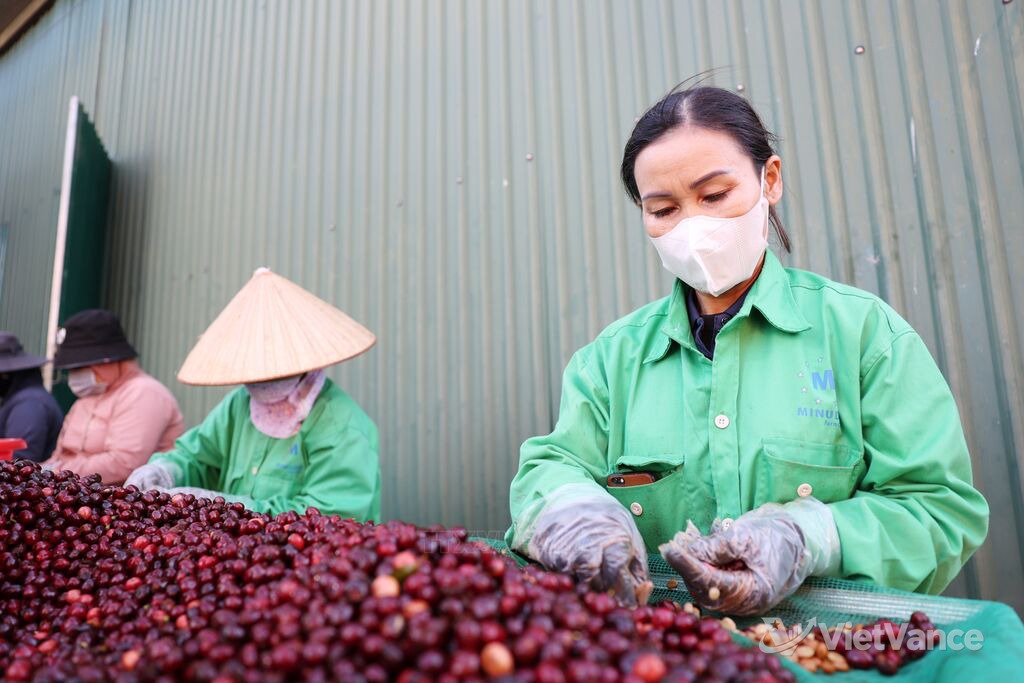
Removing coffee husks to make tea.(VietVance)
Vietnam is a major exporter of agricultural products such as coffee and pepper, but its production advantage has yet to translate into the ability to influence prices in international markets. For Robusta coffee, many export contracts still use London trading prices as a reference, while actual transaction prices also depend on quality, delivery timing and trade terms agreed by the parties. Through centralized electronic trading, VIETCOM hopes to standardize information on products’ origin, quality, volume and prices, giving producers and businesses a stronger basis for trading and price negotiations.
VIETCOM Chairman Nguyễn Thanh Tùng says the company plans to use 50% of its profits from commodity trading to support farmers and communities in raw material production areas. The commitment still needs a specific implementation mechanism. Whether the exchange can establish reference prices accepted by the market will also depend on the scale of buyer and seller participation, actual trading volume, liquidity and risk management capabilities.
Source: VietVance