Vietnam Asset Management Company Has Purchased Bad Loans With 454.41 Trillion Dong in Principal
By the end of 2025, bad loans purchased by the Vietnam Asset Management Company through special bonds had a combined on-book principal of 454.41 trillion dong. A decree effective in November 2026 maintains its nonprofit status, while the company plans to focus on developing the debt trading market.

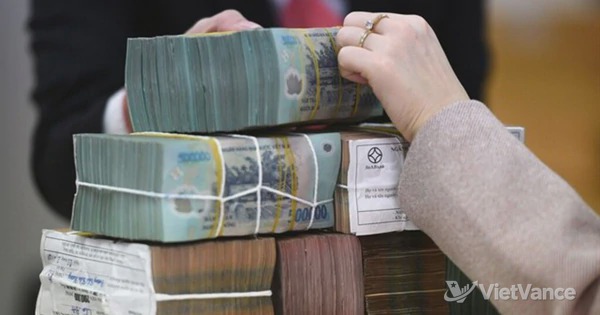
The Vietnam Asset Management Company (Công ty TNHH MTV Quản lý tài sản của các tổ chức tín dụng Việt Nam, or VAMC) reported that, as of December 31, 2025, bad loans it had purchased through special bonds had a combined on-book principal of 454.41 trillion dong and a purchase price of 416.992 trillion dong. The former figure represents the principal of the loans; it does not mean the company paid an equivalent amount in cash.
In 2025 alone, VAMC purchased 1,943 bad loans involving 1,455 customers at seven credit institutions through special bonds, with a combined on-book principal of 10.814 trillion dong. From 2017 through the end of 2025, loans it purchased at market value had a combined principal of 15.498 trillion dong and a purchase price of 15.691 trillion dong.
Established in 2013, VAMC is wholly owned by the State Bank of Vietnam and currently has registered capital of 5 trillion dong. It operates on a cost-recovery basis and does not seek to make a profit. Decree No. 359/2026/NĐ-CP, which took effect on November 6, 2026, reaffirmed its status as a special-purpose enterprise and set out rules for its organization, operations and financial mechanisms.
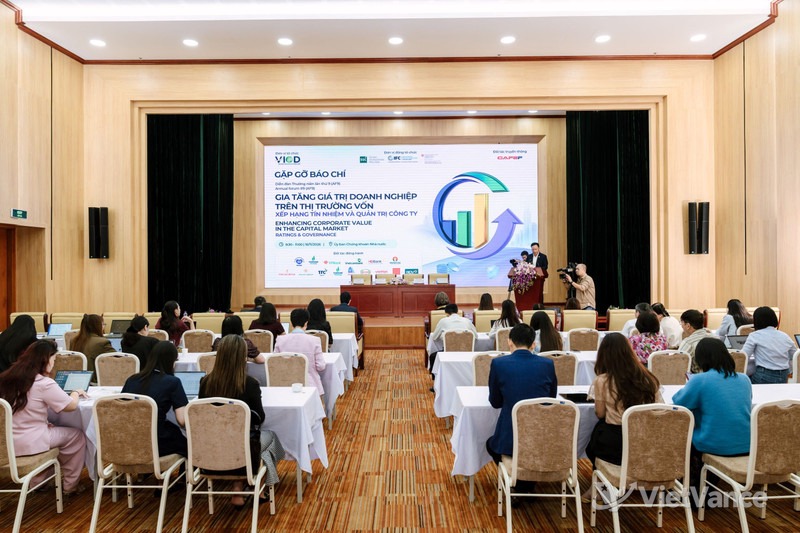
At a press conference on banking sector performance in the third quarter of 2026, Trần Trung Dũng, chairman of VAMC’s Members’ Council, said the company would shift its focus to developing the debt trading market. It plans to build a system connecting credit institutions, investors, businesses and intermediary service providers, while promoting advisory, valuation, auction and risk management services.
According to information released by VAMC’s management in October 2026, the company’s debt trading platform is expected to begin operating in late 2027 or early 2028, with technical support from the South Korean government. The platform is planned to be built around data and technology; its impact on the market will depend on how it is implemented.
Source: VietVance