Vietnam Promotes Cash Flow Based Lending to Businesses
The State Bank of Vietnam has issued a banking action plan encouraging lenders to assess businesses using payment data, cash flow and supply chains, gradually reducing reliance on collateral. The plan also covers credit procedure reforms and preferential loans to improve financing conditions for small and medium sized enterprises.

The State Bank of Vietnam has issued Decision No. 2409/QĐ-NHNN, establishing a banking sector action plan to encourage financial institutions to provide credit based on businesses’ cash flow, payment data, production and business plans, and supply chains, gradually reducing reliance on collateral. The plan also covers banking modernization, the handling of weak credit institutions and easier access to financing for businesses, with related tasks extending through 2030.
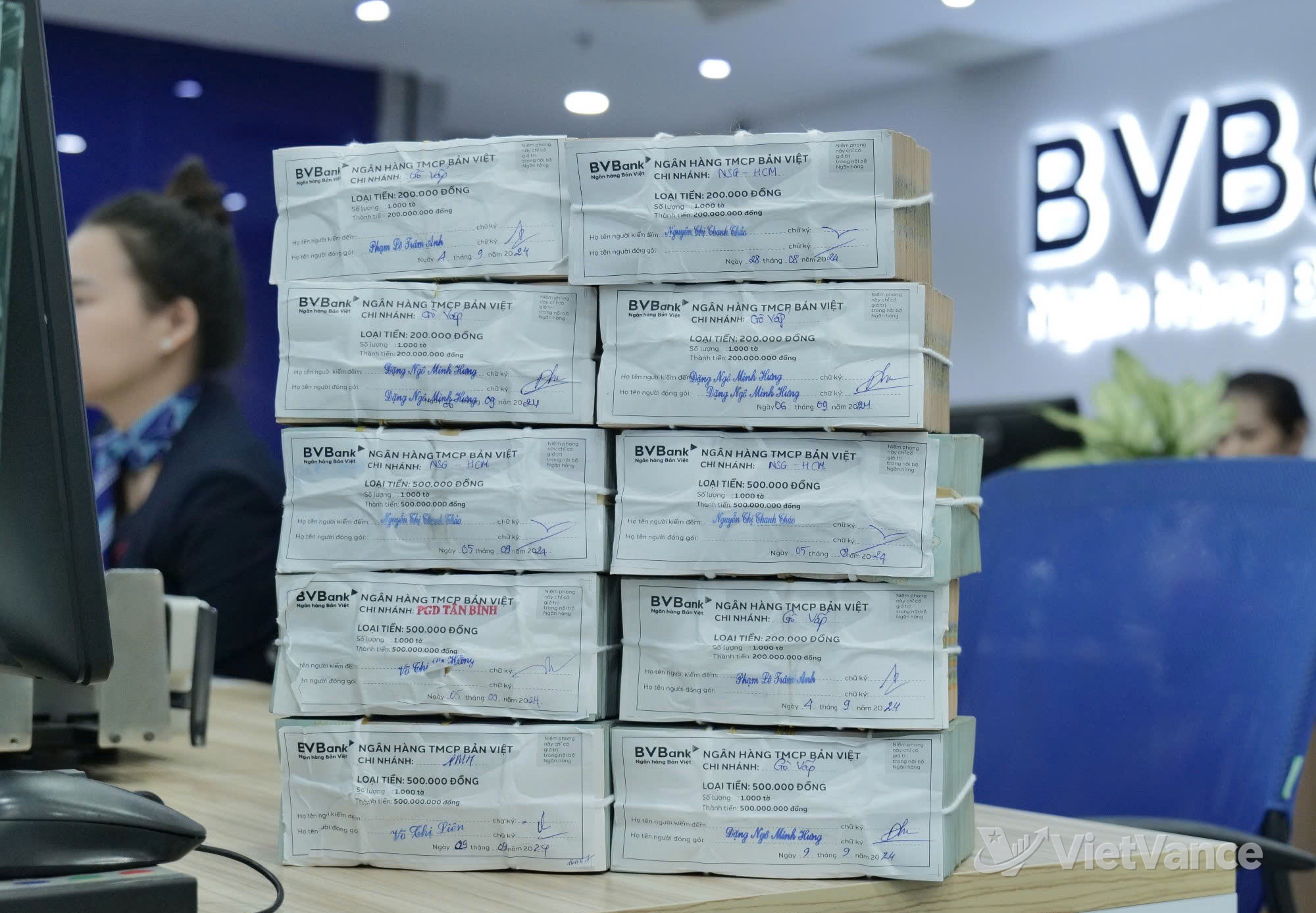
The action plan promotes wider use of cash flow based lending and less reliance on collateral.(VietVance)
The action plan implements Decision No. 1809/QĐ-TTg, approved by Vietnam’s prime minister on September 18, 2026. The State Bank of Vietnam will continue to improve the legal framework for credit and factoring, guide financial institutions in reforming internal procedures and using technology, and explore lending based on value chains, supply chains and businesses’ plans to expand their sales markets. These lending methods must comply with current law.
On reducing financing costs, Nguyễn Đức Lệnh, deputy director of the State Bank of Vietnam’s Region 2 Branch, said commercial banks are implementing interest rate cuts and preferential credit programs. One program for small and medium sized enterprises exceeds VND 400 trillion, with lending rates at least 1 percentage point below the same financial institution’s average lending rate for the same period and loan term. State Bank of Vietnam data show that the program has disbursed VND 54.3 trillion across approximately 30,000 customer loan instances. Rates commonly applied under the program are 1 to 2 percentage points lower than ordinary lending rates.
In Ho Chi Minh City and Đồng Nai, the State Bank of Vietnam’s Region 2 Branch will work with local financial institutions to advance lending based on payment data, cash flow and supply chains, while continuing preferential credit, bank–business connections and market stabilization loans. The branch also plans to hold discussions with local authorities and business associations to understand the difficulties businesses face when applying for loans.
Source: VietVance