Vietnam’s Pilot Carbon Market Covers 110 Facilities
Vietnam presented progress on its carbon market at a COP31 side event on November 13. Its domestic carbon trading platform opened on June 29 at the Hanoi Stock Exchange, and the pilot emissions trading scheme covers 110 facilities in the power, steel and cement sectors. International partners pledged continued technical and policy support.

On November 13, Vietnam’s Ministry of Agriculture and Environment, the United Nations Development Programme (UNDP) and the United Nations Office for Project Services (UNOPS), among others, discussed the development of Vietnam’s carbon market at a COP31 side event. International partners said they would continue to provide support on policy, technical infrastructure and expertise to help the market operate transparently and connect with international markets.

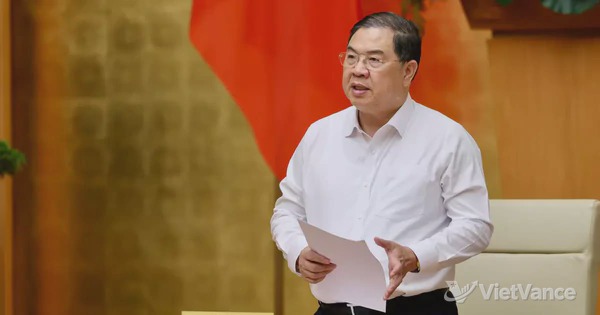
A COP31 side event on Vietnam’s carbon market.(VietVance)
Vietnam’s domestic carbon trading platform opened at the Hanoi Stock Exchange on June 29, 2026. The pilot emissions allowance trading scheme covers 110 facilities, including 34 thermal power plants, 25 steel production facilities and 51 cement production facilities, accounting for about 40% of the country’s total greenhouse gas emissions. The government previously approved about 511 million tonnes of carbon dioxide equivalent in emissions allowances for the 2025–2026 pilot period and plans to begin full operation of the carbon market in 2029.

Experts exchange views on the development of Vietnam’s carbon market.(VietVance)
Leticia Guimaraes, UNDP’s Head of Global Carbon Markets, said the agency has helped Vietnam develop carbon market policies and an implementation roadmap since 2022. It has also supported the development of a national registry to track emissions allowances and carbon credits. The registry has been connected to the Hanoi Stock Exchange and the Vietnam Securities Depository and Clearing Corporation. At the side event, UNDP and Vietnamese authorities also launched a carbon market information portal.
John Robert Cotton, head of the Energy Transition Partnership (ETP) programme at UNOPS, said carbon pricing helps bring the cost of emissions into companies’ investment decisions. He expects allowance auctions, set to begin in 2029, to generate government revenue, while international carbon market cooperation could also attract funding for projects. ETP has helped Vietnam design its emissions trading scheme and assisted the Ministry of Finance in developing an operating model for the carbon trading platform.
Source: VietVance