Vietnam’s commodity derivatives average VND 7.5 trillion in daily notional trading
Vietnam’s government has submitted a draft Commodity Derivatives Trading Law to the National Assembly. Government documents put average daily notional trading at about VND 7.5 trillion across 38 commodities and more than 40 types of contracts. The bill seeks a unified legal framework for trading, cross-border market links and risk management.

On the morning of November 11, Vietnam’s Minister of Justice Hoàng Thanh Tùng, acting on the prime minister’s authorization, submitted a draft Commodity Derivatives Trading Law to the National Assembly. Government documents show that average daily notional trading in commodity derivatives is about VND 7.5 trillion, involving 38 commodities and more than 40 types of contracts. Another 16 banks are authorized to offer commodity price derivatives.
The commodities approved for trading on the Vietnam Commodity Exchange (MXV) include agricultural products, industrial raw materials and metals. From 2019 to 2025, the volume of centrally traded contracts rose from 58,900 to 1.54 million. The government says current regulations are fragmented and largely set out in rules below the level of law, with no unified framework covering the full trading process. Relatively few production and trading businesses participate in hedging price risks.
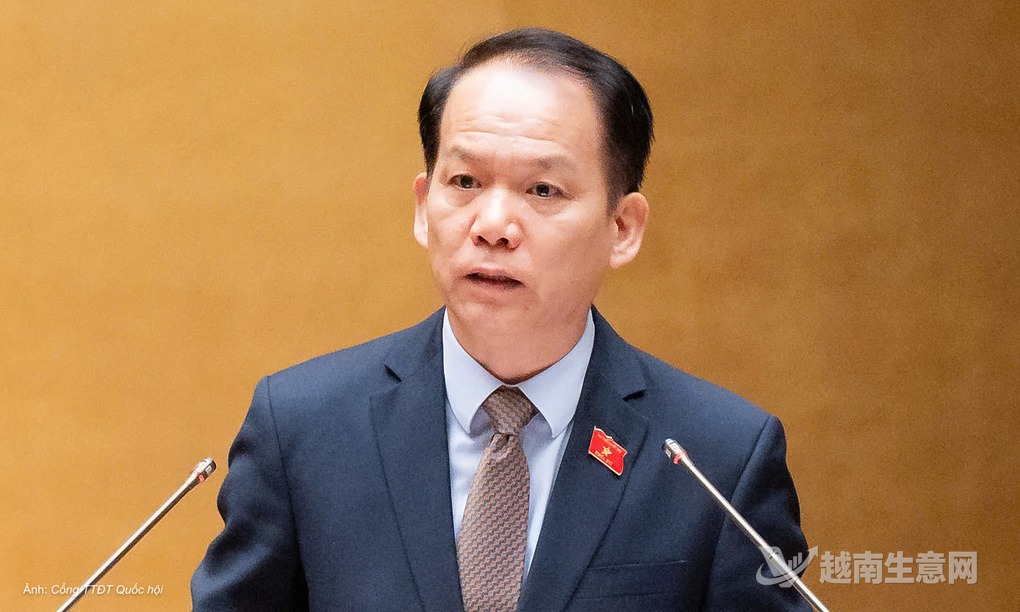
Vietnam’s Minister of Justice Hoàng Thanh Tùng presented a report to the National Assembly on the morning of November 11.(VietVance)
The draft has eight chapters and 57 articles. It covers centralized and over-the-counter markets and sets out different models for linking domestic exchanges and clearing institutions with overseas institutions. The government also proposes prioritizing the development, standardization and listing of derivatives based on commodities in which Vietnam has strengths, to provide tools for managing price risks and gradually establish domestic reference prices.
Phan Văn Mãi, chair of the National Assembly’s Economic and Financial Committee, called for a clearer division of responsibilities among regulators, an assessment of the risks of a regulatory sandbox for commodity derivatives, and a review of how partners for cross-border links are selected and assessed. The National Assembly plans to discuss the bill in groups on November 13 and in a plenary session on November 20, with a vote expected on November 21.
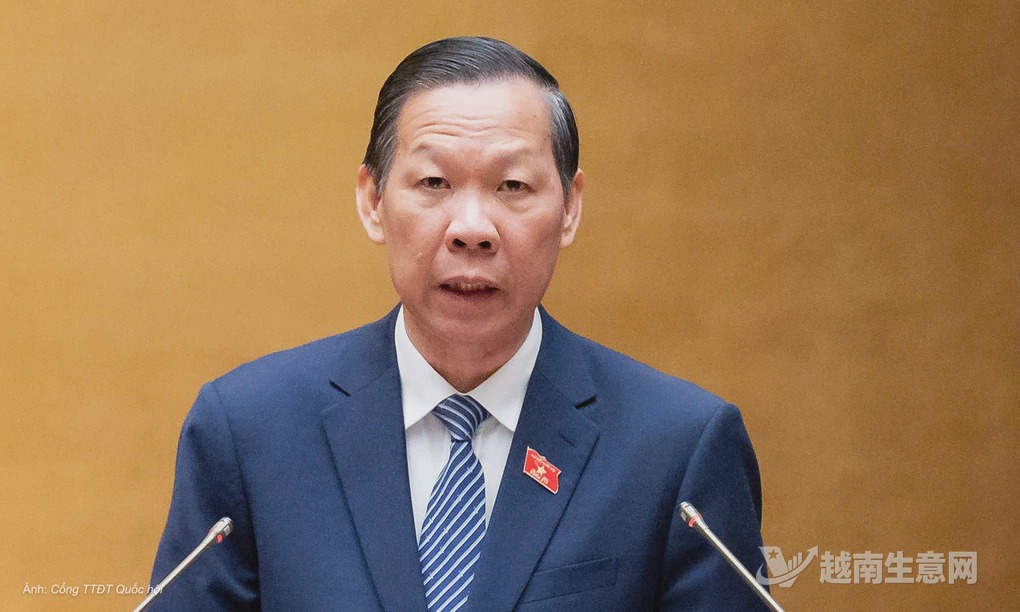
Phan Văn Mãi, chair of the National Assembly’s Economic and Financial Committee, presented an appraisal report on the morning of November 11.(VietVance)
Source: VietVance