Vietnam’s Digital Culture Map Brings Together Events Nationwide
Vietnam’s Ministry of Culture, Sports and Tourism has launched the CMAP digital culture map to help people find cultural activities by location, time and theme. By noon on November 1, it had listed 391 events across all 34 provinces and cities. Museums in Da Nang and heritage sites in Ninh Binh are also using digital guides, 3D displays and virtual reality to present cultural heritage.

Vietnam’s Ministry of Culture, Sports and Tourism has launched the CMAP digital culture map, allowing the public to search for cultural activities by location, time and theme. By noon on November 1, the platform had listed 391 events across all 34 provinces and cities. Cultural institutions under the ministry had also announced 33 events associated with Vietnam Culture Day and the 2026 Great National Unity Day. The minister hopes the platform will help residents and visitors choose cultural experiences that suit them.
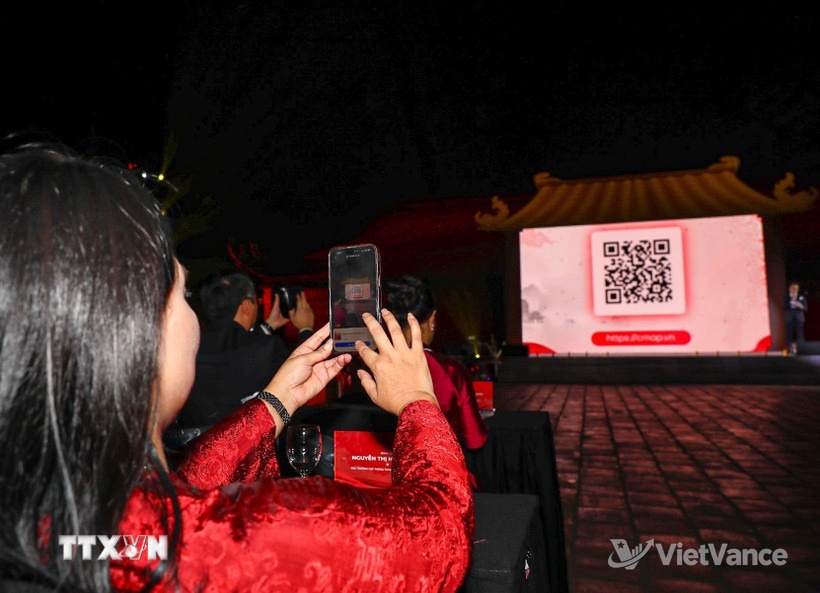
Vietnam’s CMAP digital culture map.(VietVance)
Vietnam has more than 40,000 historical and cultural sites and scenic attractions, as well as nearly 70,000 items of intangible cultural heritage. Most have yet to be digitized, standardized as data or connected across institutions. The digital culture map is one effort to bring together information on cultural activities; work to digitize heritage records is also advancing in localities across the country.
The Da Nang Museum of Cham Sculpture holds nearly 2,000 artifacts, about 500 of which are regularly on display. The museum uses QR codes, 3D tours, multilingual explanations and artificial intelligence applications. Visitors can use an audio guide to choose their own route and learn about the exhibits. Other local museums are also creating 2D and 3D records of artifacts and online tour spaces.
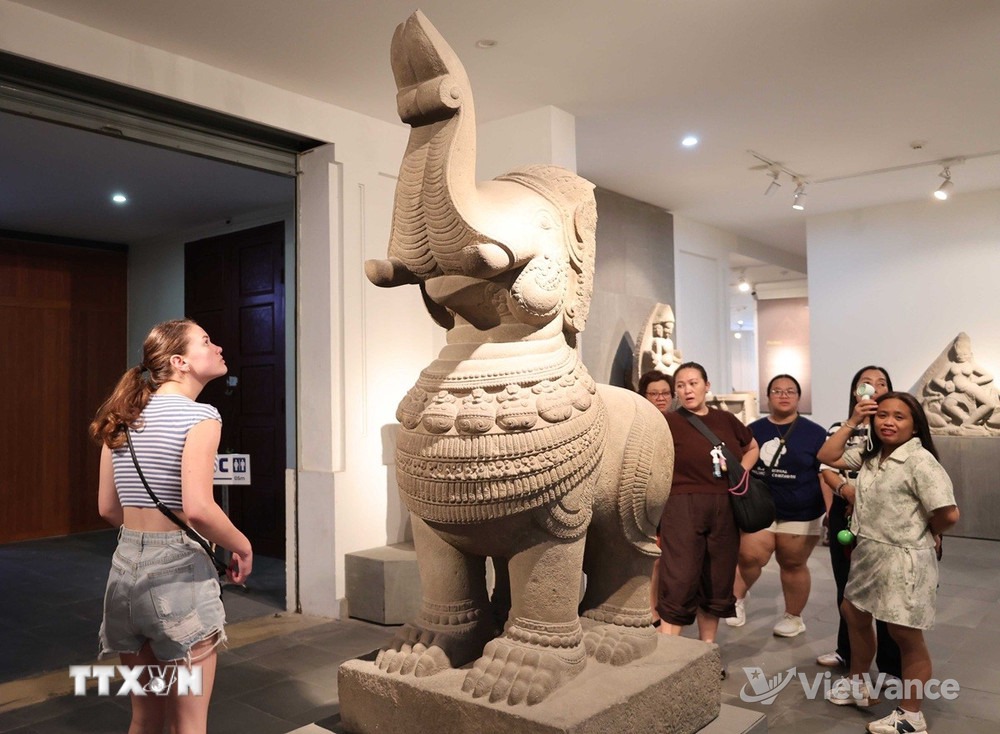
Visitors learn about exhibits at the Da Nang Museum of Cham Sculpture.(VietVance)
Ninh Binh has more than 5,000 heritage sites and is gradually building a digital database of cultural heritage. Local youth organizations and relevant agencies are using VR360 technology at some sites to create panoramic content accessible through websites, phones and computers, along with images, videos, historical materials and audio explanations. Some sites have also added QR codes and automated explanations powered by artificial intelligence, making information available to people who cannot visit in person.
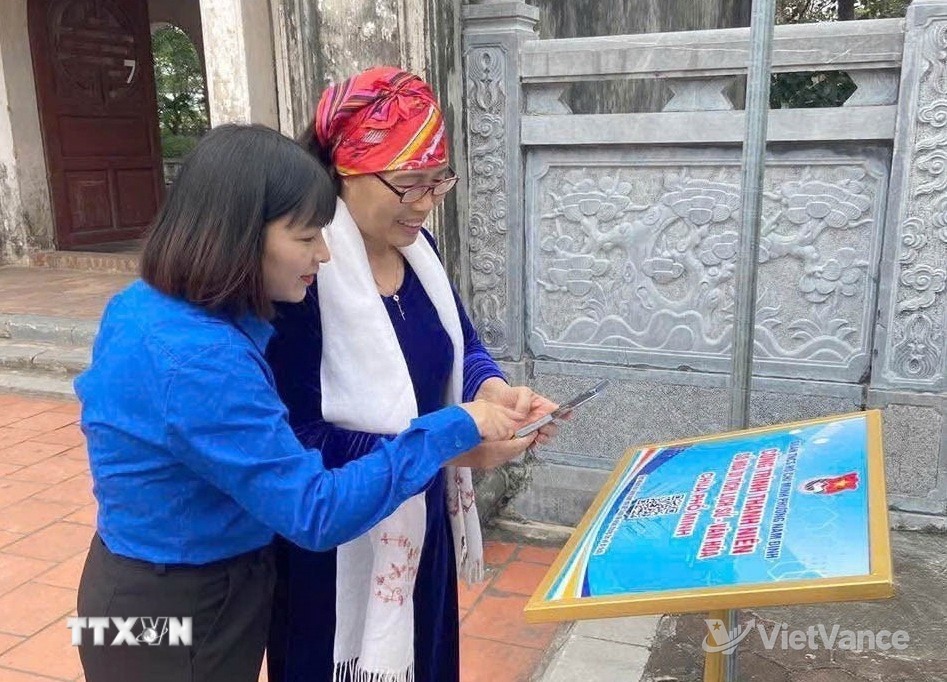
A heritage site in Ninh Binh uses QR codes and VR360 virtual reality technology.(VietVance)
Source: VietVance