Vulcan Rocket Failure Leaves 40 Amazon Satellites Short of Orbit
A Vulcan rocket malfunctioned about 10 minutes after launching from Florida on November 15, leaving 40 Amazon internet satellites unable to reach orbit. Preliminary data indicates the problem occurred after the second stage separated from the first, but the cause remains undetermined.

A Vulcan rocket operated by United Launch Alliance (ULA) malfunctioned about 10 minutes after launching from Florida, United States, on November 15, failing to place Amazon's 40 internet satellites into orbit as planned. It was the first failure in ULA's nearly 20-year streak of successful launches.
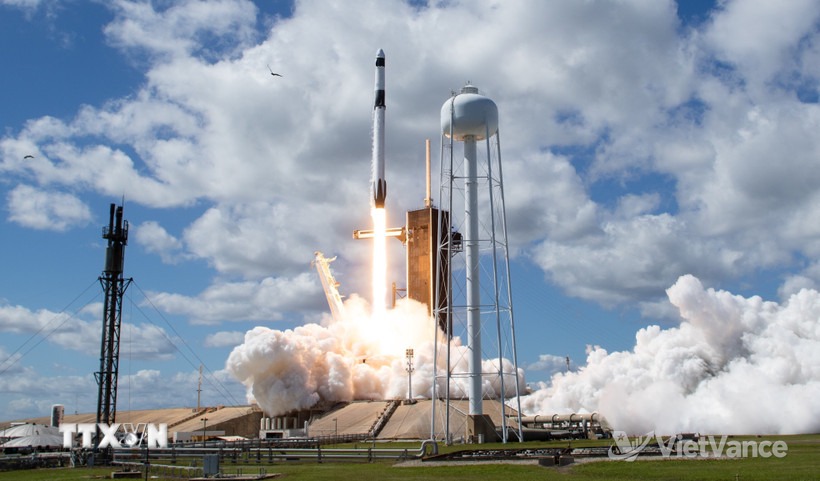
Illustration of a rocket launch.(VietVance)
ULA said the rocket lifted off at 12:40 p.m. local time on November 15, or 12:40 a.m. Hanoi time on November 16. Preliminary data indicates the malfunction occurred after the rocket's second stage separated from the first stage. The specific cause has yet to be determined.
This was Vulcan's fifth flight since its debut in 2024 and its first after a nine-month pause for technical investigations involving the rocket's boosters and Blue Origin's BE-4 main engine. ULA is a joint venture between Boeing and Lockheed Martin.
The malfunction has affected plans to build the Amazon Leo satellite internet network, which is planned to comprise 3,232 satellites. Amazon has ordered 38 launches from ULA, with Vulcan originally expected to launch nearly half of its first-generation satellites. About 400 Amazon satellites have reached orbit since April 2025. Amazon Leo's official account on X said every launch carries risks and expressed confidence that ULA would learn from the incident and continue its long-term plans. Amazon plans to launch commercial satellite internet service in 2026, competing with SpaceX's Starlink network.
Source: VietVance