Vietnam Rolls Out E10 Gasoline as Domestic Ethanol Supply Falls Short
Vietnam began rolling out E10 biofuel gasoline nationwide on June 1, 2026, aiming to reduce reliance on imported fossil fuels and support domestic fuel ethanol production. A Ministry of Industry and Trade official said domestic ethanol supply remains insufficient to meet nationwide demand, requiring imports alongside local production.

Under the Ministry of Industry and Trade’s Circular No. 50/2025/TT-BCT, Vietnam began rolling out E10 biofuel gasoline nationwide on June 1, 2026. E10 is a blend of 90% conventional gasoline and 10% fuel ethanol. The ministry says the rollout can diversify energy supplies, reduce reliance on imported fossil fuels, and create markets for agricultural feedstocks and domestic ethanol production.
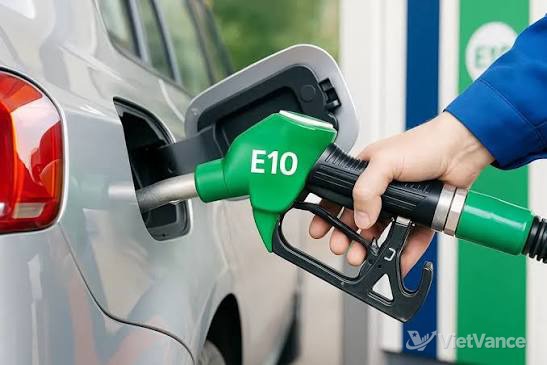
E10 biofuel gasoline is being rolled out across Vietnam.(VietVance)
Production capacity remains a constraint on the E10 rollout. At a forum in Ho Chi Minh City in June 2026, Ministry of Industry and Trade official Nguyễn Thành Nam said domestic supplies of E100 fuel ethanol were not yet sufficient to meet demand for a nationwide E10 rollout. Feedstocks must still come from both domestic production and imports; investment in some blending facilities is still being completed, while others are not yet operating as part of a coordinated system.
Stable demand for E10 could encourage domestic ethanol producers to resume production, expand capacity and invest in technology. It could also create additional markets for some agricultural biomass feedstocks. Establishing a stable market, however, will require adequate ethanol supplies, consistent quality and competitive costs, as well as stronger blending, distribution and quality control capabilities.
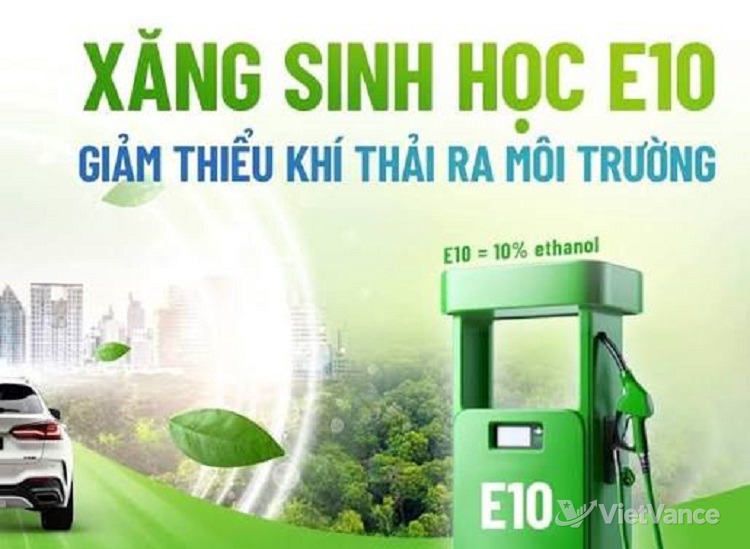
Consumers need information about vehicle compatibility with E10 and how to use it.(VietVance)
On vehicle use, the Ministry of Industry and Trade says most cars and motorcycles currently on Vietnam’s roads can use E10 without modifications to their fuel systems. Owners of older vehicles or vehicles whose compatibility is unclear should first consult the manufacturer’s guidance. Ethanol has a lower energy content than conventional gasoline, and some tests have recorded a difference in fuel consumption of about 2% to 3%; that figure does not apply to every vehicle.
E10’s actual emissions reductions also depend on feedstock sources, ethanol production technology, energy used in processing and transportation, and must be assessed across the fuel’s full life cycle. Rolling out E10 can reduce some demand for conventional gasoline, but its economic and environmental benefits still depend on supply chain development and actual production conditions.
Source: VietVance