Thai University Leases 9 Vietnamese Electric Buses
Thailand’s Suranaree University of Technology has leased nine Vietnamese-made electric buses for five years under a contract worth 63.72 million baht. The buses began operating on campus on November 5, 2026. Responding to controversy over the purchase, the university said neither bidder proposed vehicles certified as made in Thailand.

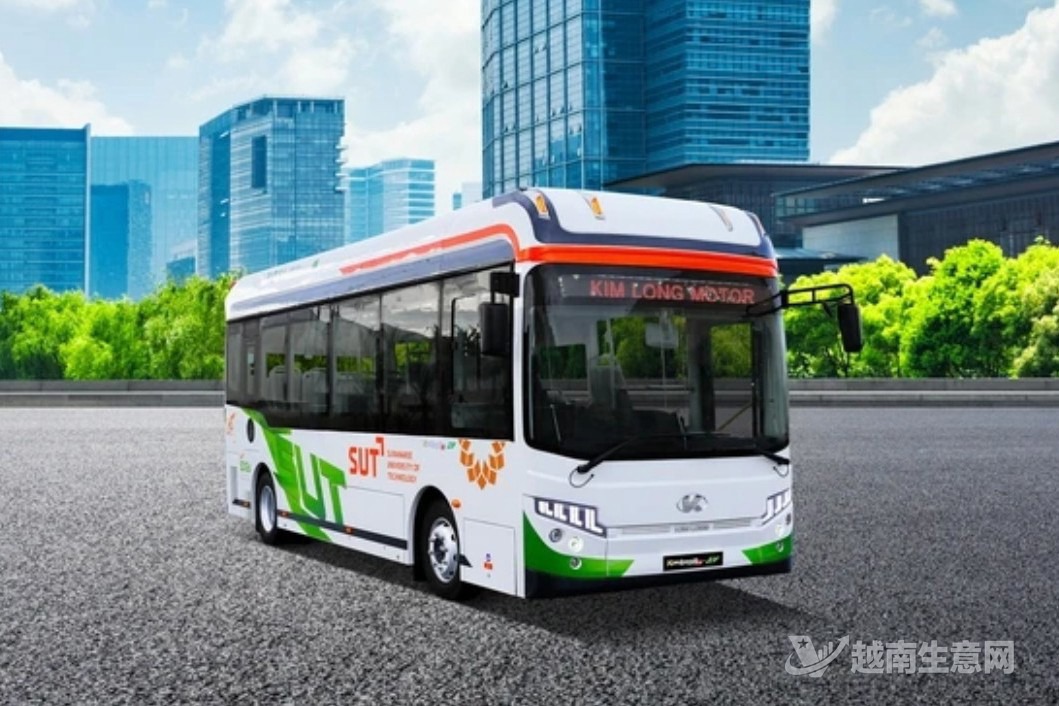
Thailand’s Suranaree University of Technology (SUT) has leased nine Vietnamese-made electric buses for five years under a contract worth 63.72 million baht (more than 48 billion Vietnamese dong). Thailand’s Matichon reported on the procurement project on November 10. The university has named the fleet “SUT EV Bus.” The vehicles began operating on November 5, 2026, running daily from 7 a.m. to 9 p.m. and replacing diesel vehicles.
The vehicles entering service bear the Vietnamese Kim Long Motor brand. Earlier, on September 18, 2026, Kim Long Motor Hue JSC exported its first batch of nine electric buses to Thailand. The company plans to deliver and export a total of 113 passenger vehicles to Thailand in 2026. It says the local content rate of its electric vehicle models currently exceeds 60%, with a target of 90% by the end of 2026.
The university’s choice of imported vehicles has sparked controversy in Thailand. Some have questioned why a university engaged in technology research and development did not give priority to products made by Thai companies. A faculty member wrote an open letter asking the university to explain its procurement decision and questioning why the results of its earlier joint research and development of an electric bus system with a major Thai private company had not been put to a trial.
SUT responded on November 9, 2026, saying it had long outsourced campus bus operations to reduce the budget burden of buying vehicles and maintaining them over the long term. The tender documents allowed qualifying electric buses made in Thailand or imported from abroad. The university said the tender documents published on March 6, 2026, included a preference for domestic products, but neither of the two bidders proposed vehicles with Made in Thailand certification. Neither bidder therefore qualified for the preference, and the supplier was selected on the basis of meeting the technical requirements and offering the lowest price.
Source: VietVance