Vietnam Abolishes Special Finance and Income Mechanisms for Tax, Customs and Treasury Agencies
On November 25, Vietnam’s National Assembly Standing Committee passed a resolution abolishing special finance and income mechanisms for the Tax Department, Customs Department and State Treasury. The agencies may continue to use their approved 2026 budgets for specified duties, subject to restrictions on spending and staff income.

On the morning of November 25, all members of Vietnam’s National Assembly Standing Committee present voted to pass a resolution abolishing the special finance and income mechanisms of the Tax Department (Cục Thuế), Customs Department (Cục Hải quan) and State Treasury (Kho bạc Nhà nước). National Assembly Chairman Trần Thanh Mẫn chaired the meeting.
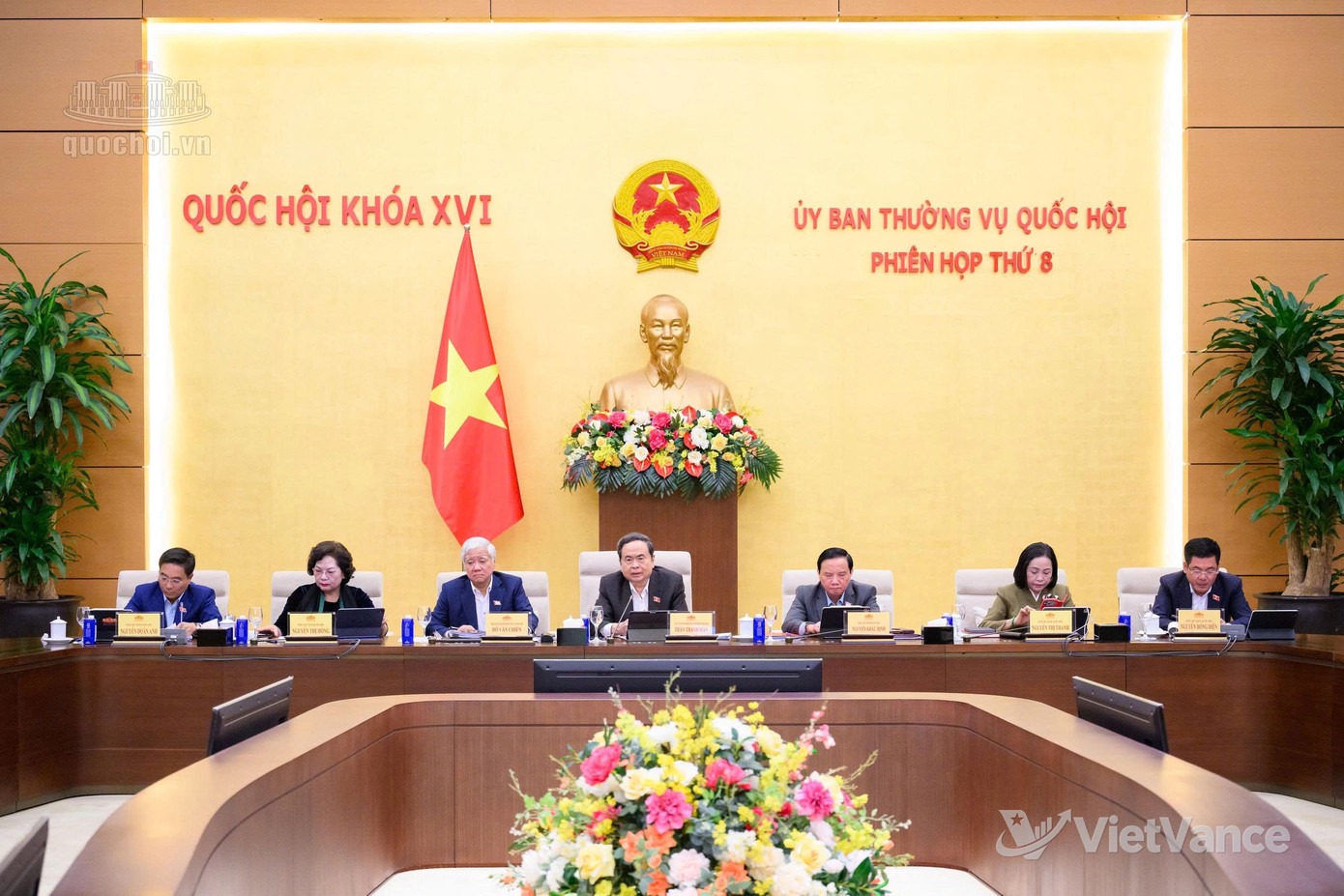
Vietnam’s National Assembly Chairman Trần Thanh Mẫn and the National Assembly vice chairs attended the meeting.(VietVance)
An explanatory submission presented by Finance Minister Ngô Văn Tuấn said the draft resolution has three articles. It would repeal Resolution No. 1094 in its entirety, which governed financial management and staffing arrangements for the General Department of Taxation and General Department of Customs from 2016 to 2020, as well as Document No. 485 on financial management and staffing arrangements for the State Treasury from 2014 onward. The repeal takes effect when the new resolution enters into force; the report did not specify a date.
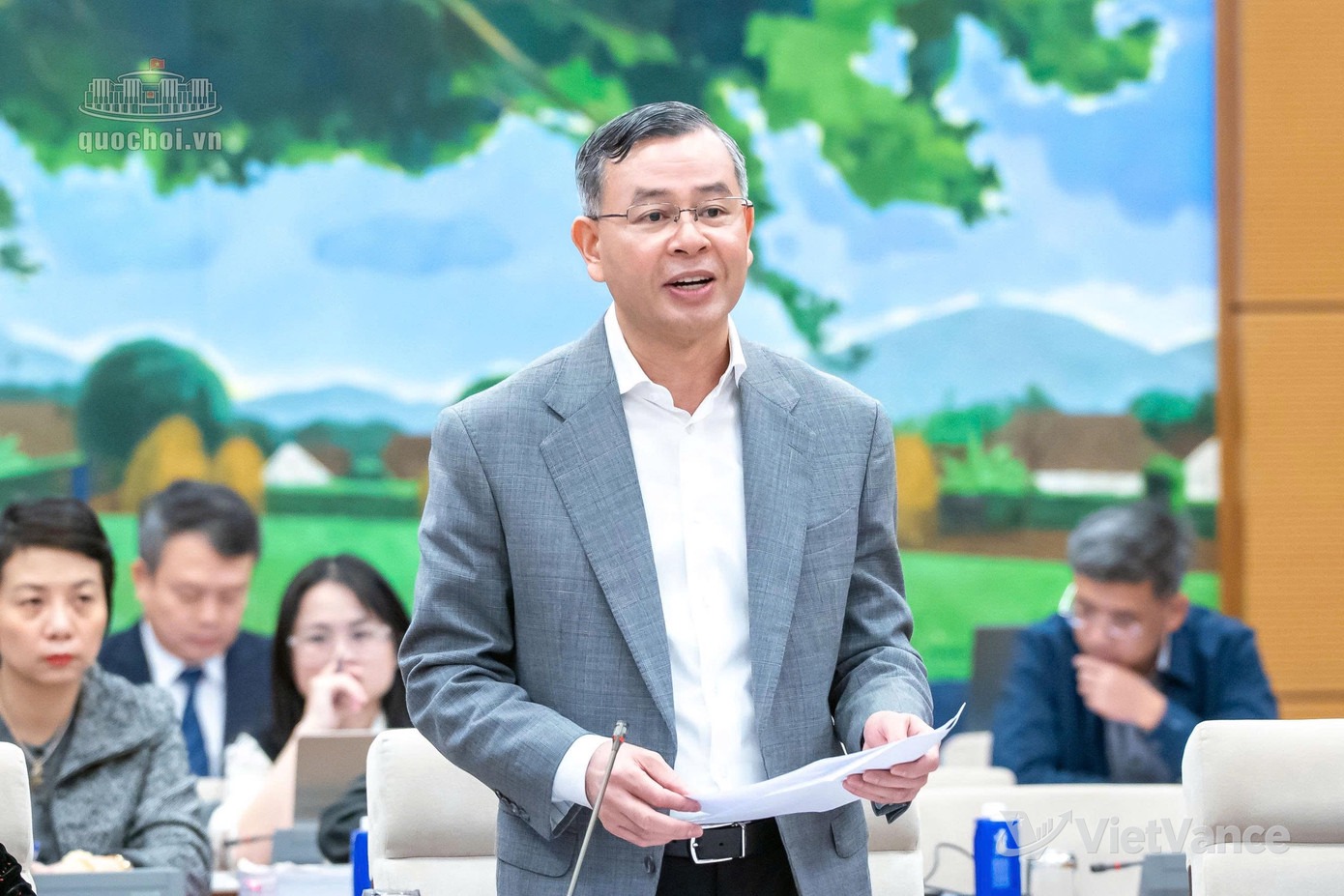
Vietnam’s Finance Minister Ngô Văn Tuấn.(VietVance)
Under the transitional arrangements, in 2026 the Tax Department, Customs Department and State Treasury may continue to use their state budget spending allocations for that year, as assigned by the competent authorities or officials, to cover expenses for specialized professional and operational duties.
Phan Văn Mãi, chairman of the National Assembly’s Economic and Financial Committee, said the committee agreed with the government’s proposal to abolish the special mechanisms and with the related transitional arrangements. The committee also required that the transition add no new spending tasks or increase the approved total 2026 budget allocation. The funds must not be used to supplement the income of civil servants, public employees or other workers, or to establish separate funds or financial resources for the three agencies.
Source: VietVance