Vietnamese Exporters Need Quality and Origin Documentation to Expand in the UK
UK data show that imports of goods and services from Vietnam reached £8.4 billion from April 2025 to March 2026, up 12.2% year on year. A BritCham Vietnam representative said Vietnamese businesses seeking to benefit from trade agreements and expand UK sales need to demonstrate product quality and origin and choose sales channels suited to their products.

According to the UK Department for Business and Trade, the UK imported £8.4 billion in goods and services from Vietnam between April 1, 2025, and March 31, 2026, up 12.2% year on year. Goods accounted for £7.9 billion, or 94.5%. Imports of telephones and communications equipment totaled about £2 billion; footwear exceeded £1 billion; computers and components reached £769 million; and furniture and coffee totaled £208 million and £183 million, respectively.
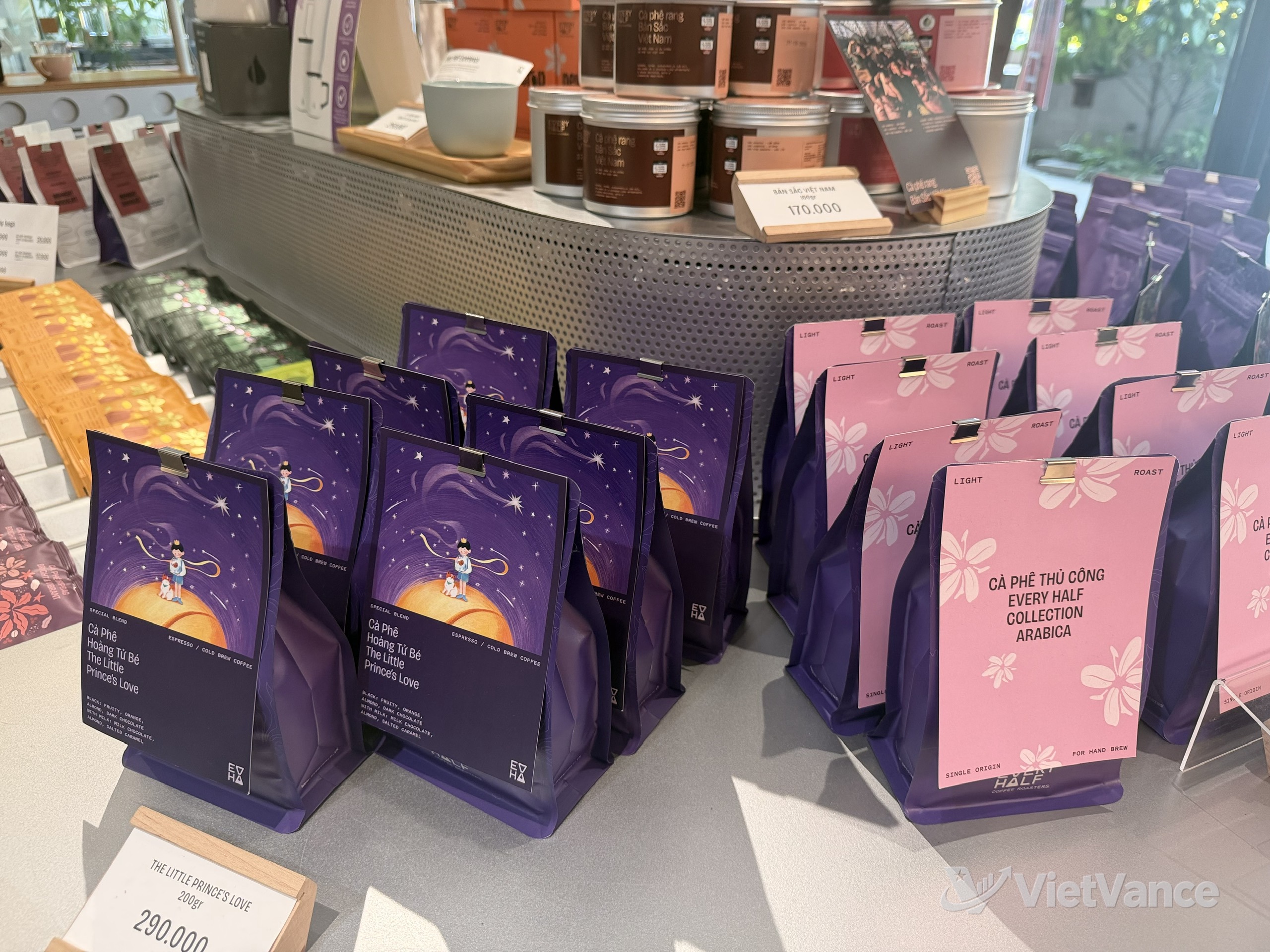
Vietnamese coffee is among the products sold in the UK retail market.(VietVance)
At a seminar on the UK market held on November 10, BritCham Vietnam representative Nguyễn Minh Khôi said British consumers are shopping more cautiously and placing greater weight on evidence of quality. The consumer trend reports he cited showed that respondents assess quality based on durability, transparency about ingredients and materials, certification, and origin. Businesses need to provide verifiable product specifications, certifications and origin information, and choose sales channels that suit their target customers.
On export compliance, he advised businesses to check UK commodity codes and the corresponding tariff rates and documentation requirements, and to demonstrate compliance with rules of origin for each code. Documentation errors could prevent tariff preferences from applying. Some products may carry either the CE or UKCA mark in Great Britain, but rules differ in Northern Ireland; specific requirements must be checked for each product. Electronics, food and agricultural products also have their own safety, quarantine or labeling requirements.
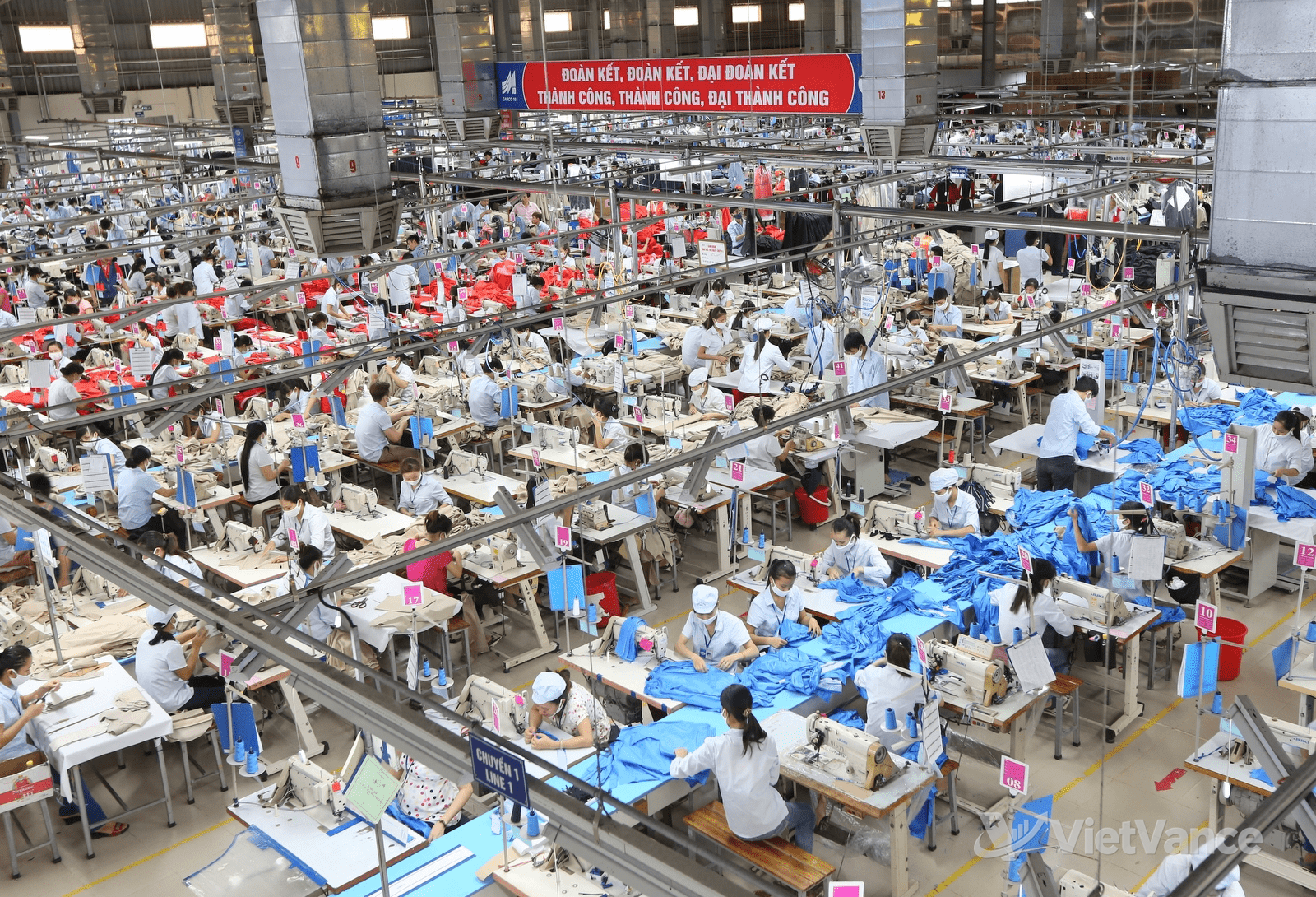
Businesses exporting to the UK need to check commodity codes and related compliance requirements.(VietVance)
Nguyễn Minh Khôi advised businesses to choose importers, distributors, agents or e-commerce channels according to their products, and to combine online and in-store sales. Before entering the market, they should identify target customers, prepare compliance documents, calculate the cost of delivering goods to the warehouse and vet partners. They should then test sales through a small shipment or a single channel, monitor sales, returns and costs, and decide whether to expand their reach.
Source: VietVance