Survey Finds About 87% of Vietnamese Family Assets Are in Real Estate
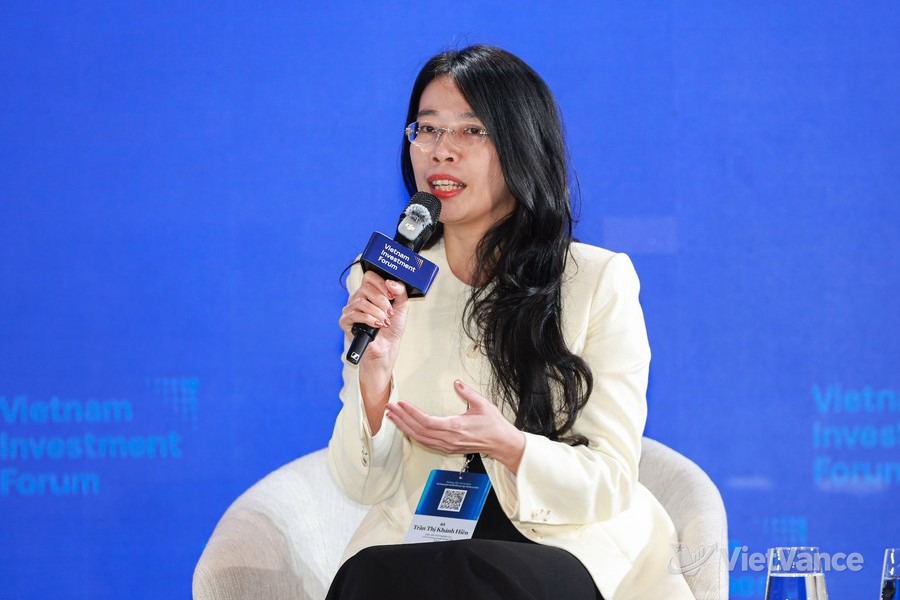
At the Vietnam Investment Forum 2027, investment manager Duc Tran cited a survey showing that about 87% of Vietnamese family assets are held in real estate. He pointed to limited investment options, low participation in funds and a preference for tangible assets. Speakers also discussed liquidity management and the legal framework for family offices.

At a discussion at the Vietnam Investment Forum 2027, Duc Tran, Investment and Investor Relations Manager at Vietnam Investments Group, cited a survey showing that about 87% of Vietnamese family assets are concentrated in real estate. He said Vietnamese investors still have limited access to overseas investments, while volatility and concerns about trust in the corporate bond market have also affected asset allocation.
Figures shared by Duc Tran show that assets managed in fund products in Vietnam amount to about 7% of gross domestic product, while less than 0.5% of the population invests through funds. He said the range of available investment products remains limited. After periods of high inflation, many families continue to favor gold and real estate as tangible assets.
On family office management, Duc Tran cited UBS figures from 2023 showing that about 60% of family offices worldwide have investment committees and more than 50% have long-term investment plans. In Vietnam, fewer than 30% of family offices have long-term plans.

Duc Tran, Investment and Investor Relations Manager at Vietnam Investments Group.(VietVance)
Nguyễn Thị Minh Thu, Managing Director of Index Partners, said wealthy families in Vietnam and Southeast Asia are increasingly focused on the security and liquidity of their overall holdings, rather than individual assets alone. Citing a Knight Frank report, she said Vietnam had about 5,500 individuals with total assets exceeding US$10 million in 2024, ranking sixth in Southeast Asia. She said families need to plan their asset allocation around funding needs over the coming years and maintain cash flow to seize new investment opportunities.

Nguyễn Thị Minh Thu, Managing Director of Index Partners.(VietVance)
Nguyễn Thị Minh Thu called for a legal framework that better supports family offices. She said that when family assets are concentrated in a family business, moving funds into other investments can involve dividend distribution, financial reporting, auditing and tax procedures. Some family offices in Singapore, by contrast, operate as funds or variable capital companies. She gave the example of a family with US$100 million in assets that may still face uncertainty over how to allocate part of its wealth.
Nguyễn Duy Linh, CEO of Saigon–Hanoi Securities JSC (SHS), said families should assess their investment goals, future obligations and liquidity before allocating assets. They should ensure they can cover essential expenses for the next 6 to 12 months and set a maximum tolerable loss for each asset class.

Nguyễn Duy Linh, CEO of Saigon–Hanoi Securities JSC (SHS).(VietVance)
Source: VietVance